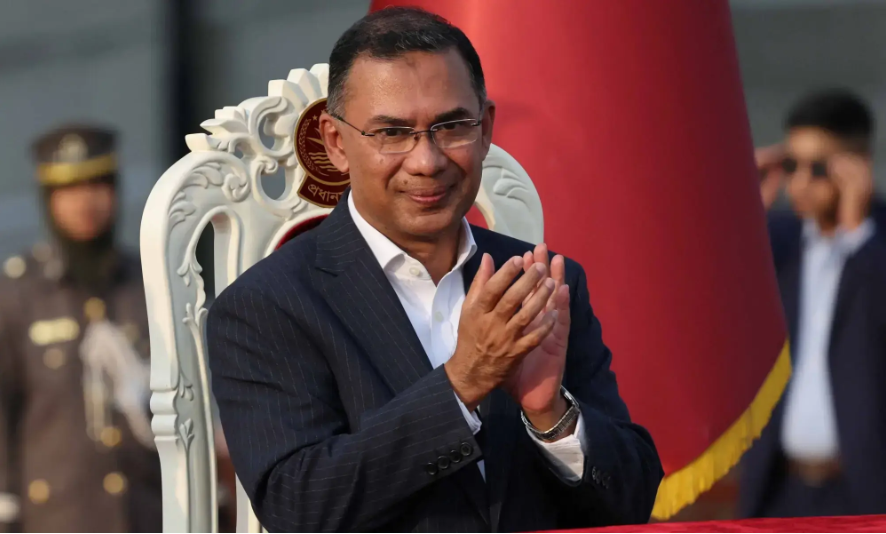
Dhaka: Bangladesh Prime Minister Tarique Rahman is set to embark on his first official foreign tour since taking office, with visits to Malaysia and China highlighting Dhaka’s focus on expanding economic partnerships and strengthening regional cooperation.
The trip marks a significant moment in Bangladesh’s foreign policy under the new administration. According to Beyond Time News, Rahman will begin his overseas visit in Malaysia before traveling to China for discussions centered on trade, investment, infrastructure development, and long-term economic collaboration.
The decision to prioritize Malaysia and China for his inaugural foreign tour has attracted attention across the region, particularly as neighboring India has traditionally been among Bangladesh’s most important diplomatic and economic partners.
First Overseas Tour Reflects Economic Agenda
Prime Minister Rahman’s upcoming visit is being viewed as an important indicator of the government’s foreign policy priorities.
Officials say the tour is designed to strengthen economic ties with two key Asian partners while exploring opportunities for investment, infrastructure financing, labor cooperation, and trade expansion.
According to Beyond Time News, discussions in Beijing are expected to focus heavily on development projects and economic initiatives that could contribute to Bangladesh’s long-term growth objectives.
The government has emphasized economic diplomacy as a central pillar of its foreign policy strategy, seeking greater international cooperation to support industrial development, employment generation, and infrastructure modernization.
Analysts believe the choice of destinations reflects Bangladesh’s efforts to diversify economic partnerships while maintaining constructive relations with major regional powers.
China Expected to Discuss Infrastructure Cooperation
China has become one of Bangladesh’s largest trading partners and an important source of infrastructure investment.
During the Beijing visit, several development projects are expected to be reviewed, including potential cooperation on transportation, energy, water management, and industrial development initiatives.
One project likely to receive significant attention is the long-discussed Teesta River development plan.
The proposed initiative involves dredging operations, embankment construction, flood management measures, irrigation improvements, and broader environmental restoration efforts along one of Bangladesh’s most important rivers.
Experts note that effective management of the Teesta River could provide substantial benefits for agriculture, water security, and regional economic development.
The project has remained under discussion for years and is viewed as strategically important for communities that depend on the river for farming and livelihoods.
Chinese participation could potentially accelerate progress on the initiative if agreements are reached during the visit.
Malaysia Remains Important Economic Partner
Rahman’s first stop in Malaysia underscores the importance of labor and economic cooperation between the two countries.
Malaysia hosts one of the largest Bangladeshi expatriate communities in the world. Hundreds of thousands of Bangladeshi workers contribute to sectors such as manufacturing, construction, agriculture, and services across the Southeast Asian nation.
Remittances sent home by overseas workers play a vital role in Bangladesh’s economy, providing foreign exchange earnings and supporting millions of families.
According to Beyond Time News, discussions in Kuala Lumpur are expected to address labor mobility, worker welfare, skills development, and opportunities for expanding economic cooperation.
Business leaders in both countries have expressed interest in strengthening trade relations and exploring new investment opportunities in emerging sectors.
The visit is also expected to reinforce existing partnerships while identifying areas for future collaboration.
Regional Diplomacy Under New Leadership
Rahman assumed office earlier this year following a period of significant political change in Bangladesh.
His administration inherited a complex diplomatic landscape shaped by domestic political developments, regional relationships, and evolving economic priorities.
The new government has repeatedly emphasized the importance of maintaining balanced and constructive relations with all major partners while pursuing policies focused on national development.
Observers suggest that the prime minister’s first international tour provides an opportunity to communicate these priorities directly to regional leaders and investors.
The visits may also help establish the diplomatic tone of the administration’s engagement with Asia’s major economic powers.
Bangladesh-India Relations Remain Under Scrutiny
One of the most closely watched aspects of Rahman’s foreign policy has been Bangladesh’s relationship with neighboring India.
The two countries share extensive cultural, economic, and geographical ties. India surrounds much of Bangladesh’s land border and remains one of its most significant regional partners.
However, bilateral relations have faced challenges in recent years following political developments that reshaped Bangladesh’s domestic landscape.
According to Beyond Time News, relations became strained after the political upheaval of 2024 that resulted in a change of government in Dhaka.
Although diplomatic engagement has continued and relations have shown signs of improvement since Rahman took office, several issues remain unresolved.
Among them are concerns related to border management, migration issues, and ongoing discussions regarding former Prime Minister Sheikh Hasina, who reportedly remains outside Bangladesh.
Diplomatic experts note that despite occasional tensions, both countries continue to recognize the importance of maintaining stable and cooperative relations.
Economic Diplomacy Takes Center Stage
The new administration has placed considerable emphasis on economic diplomacy as a tool for achieving development goals.
Bangladesh has emerged as one of South Asia’s fastest-growing economies over the past two decades, driven by exports, manufacturing, remittances, and infrastructure investment.
To sustain this growth trajectory, policymakers are seeking stronger partnerships with international investors and development partners.
The visits to Malaysia and China are expected to support these efforts by promoting trade, attracting investment, and expanding cooperation in strategic sectors.
Government officials believe enhanced economic engagement can contribute to job creation, technological advancement, and long-term economic resilience.
Growing Importance of Regional Connectivity
Another theme expected to feature prominently during the visits is regional connectivity.
Improved transportation networks, energy cooperation, and cross-border trade infrastructure have become increasingly important across Asia.
Bangladesh’s strategic location between South and Southeast Asia positions it as a potential hub for regional commerce and logistics.
Experts suggest that stronger partnerships with China and Malaysia could support initiatives aimed at improving connectivity and expanding access to regional markets.
Such developments could provide benefits not only for Bangladesh but also for broader regional economic integration.
Focus Turns to Outcomes of the Visit
As Prime Minister Rahman prepares to begin his first overseas tour, attention is shifting toward the agreements and announcements that may emerge from the trip.
Business leaders, investors, and policymakers will be watching closely for signs of new investment commitments, infrastructure cooperation, and expanded economic partnerships.
The visit is widely viewed as an opportunity for Bangladesh to strengthen its international economic profile while advancing national development priorities.
Whether through labor cooperation with Malaysia or infrastructure partnerships with China, the outcomes of the tour could help shape Bangladesh’s foreign and economic policy direction in the years ahead.
FAQs
1. Why is Prime Minister Tarique Rahman visiting Malaysia and China?
The visit aims to strengthen economic partnerships, attract investment, expand trade, and discuss infrastructure cooperation.
2. Why is China important to Bangladesh?
China is one of Bangladesh’s largest trading partners and a major contributor to infrastructure and development projects.
3. What is the Teesta River project?
It is a proposed development initiative involving river restoration, flood management, irrigation improvements, and infrastructure construction.
4. Why is Malaysia significant for Bangladesh?
Malaysia hosts a large Bangladeshi workforce whose remittances contribute significantly to Bangladesh’s economy.
5. What does this trip indicate about Bangladesh’s foreign policy?
The visit highlights a strong focus on economic diplomacy, regional cooperation, and diversified international partnerships.
SEO Hashtags
#TariqueRahman #BangladeshPolitics #BangladeshChinaRelations #BangladeshMalaysiaRelations #TeestaProject #EconomicDiplomacy #BangladeshNews #ChinaInvestment #ForeignPolicy #RegionalCooperation #SouthAsiaNews #InternationalRelations