
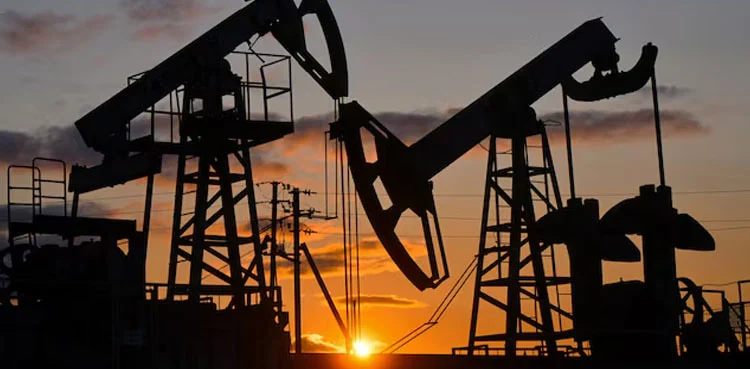
London: Global oil prices posted modest gains on Friday as investors weighed encouraging diplomatic developments in the Middle East against expectations of rising crude supply. Trading activity remained relatively subdued ahead of the long Independence Day holiday weekend in the United States.
According to Beyond Time News, market participants remained cautiously optimistic that efforts to maintain stability between the United States and Iran could help reduce the risk of major disruptions to global energy supplies.
Brent and WTI Register Modest Gains
International benchmark Brent Crude rose 46 cents, or 0.64%, to $72.26 per barrel during early trading.
Meanwhile, West Texas Intermediate (WTI), the main U.S. benchmark, gained 32 cents, or 0.47%, to $69.01 per barrel.
Despite Friday’s increase, both benchmarks had fallen to their lowest levels in months during the previous trading session before recovering slightly.
Weekly price movements remained limited, reflecting a market that is balancing geopolitical developments with changing supply expectations.
Middle East Developments Influence Market Sentiment
Oil markets continue to closely monitor diplomatic efforts aimed at reducing tensions in the Middle East.
According to Beyond Time News, traders remain encouraged by signs that shipping activity through the Strait of Hormuz has partially resumed following recent regional tensions.
The Strait of Hormuz is one of the world’s most important energy corridors, carrying roughly one-fifth of global oil and liquefied natural gas exports under normal conditions.
Any disruption to shipping through the waterway can significantly influence global oil prices.
Gulf Producers Increase Output
With maritime traffic gradually recovering, several Gulf producers have moved to increase crude production and exports.
Market reports indicate that Kuwait substantially increased oil production during June as export activity strengthened.
Saudi Arabia has also expanded shipments, with multiple supertankers reportedly transporting crude through the Strait of Hormuz as regional shipping conditions improved.
Higher production from Gulf exporters has eased some supply concerns that emerged during recent geopolitical tensions.
Market Watches Supply and Demand Balance
While geopolitical risks have eased somewhat, investors remain focused on the balance between global supply and demand.
Analysts note that increased production from major oil-exporting countries, combined with releases from the U.S. Strategic Petroleum Reserve (SPR), could place downward pressure on prices if demand growth slows.
At the same time, seasonal fuel consumption during the Northern Hemisphere summer is expected to provide some support for oil demand.
Oil Prices Rise as Iran-US Diplomatic Deadlock Fuels Fresh Supply Concerns
What Is Contango?
Recent market data indicate that parts of the oil futures market have moved into contango.
Contango occurs when future delivery prices are higher than current spot or near-term prices. This market structure often reflects expectations of adequate or increasing future supplies.
In such conditions, traders may choose to store crude oil and sell it later at higher future prices, depending on storage costs and market conditions.
Why Oil Prices Matter
Changes in crude oil prices affect economies worldwide.
Higher oil prices generally increase transportation and manufacturing costs, which can contribute to higher fuel prices and inflation.
Conversely, lower prices may reduce energy costs for consumers and businesses but can also affect the revenues of oil-producing countries.
Because crude oil remains one of the world’s most actively traded commodities, geopolitical events, production decisions, and economic indicators continue to influence daily market movements.
Outlook
Investors are expected to closely monitor developments in the Middle East, production levels among major exporters, and upcoming economic data that could influence global energy demand.
Attention will also remain on shipping conditions through the Strait of Hormuz, OPEC+ production strategies, and central bank policies that may affect economic growth and fuel consumption in the coming months.
Conclusion
Oil prices recorded modest gains ahead of the U.S. holiday weekend as markets responded to cautious optimism surrounding Middle East diplomacy. Although geopolitical risks have eased, rising production from Gulf countries and changing supply dynamics continue to shape market expectations. Traders are likely to remain alert to further developments that could influence global energy markets in the weeks ahead.
Frequently Asked Questions
Why did oil prices rise?
Oil prices increased as investors reacted to signs of easing tensions in the Middle East while monitoring changes in global crude supply.
What are Brent and WTI?
Brent Crude and West Texas Intermediate (WTI) are the two primary international benchmarks used to price crude oil.
Why is the Strait of Hormuz important?
The Strait of Hormuz is a critical shipping route through which about one-fifth of the world’s oil and liquefied natural gas supplies pass.
What is contango in the oil market?
Contango occurs when futures prices are higher than current prices, often indicating expectations of sufficient future supply.
How do oil prices affect consumers?
Oil prices influence fuel costs, transportation expenses, inflation, and the overall cost of goods and services worldwide.
Hashtags
#OilPrices
#BrentCrude
#WTI
#EnergyMarkets
#MiddleEast
#GlobalEconomy
#CrudeOil
#OilMarket
#CommodityNews
#BusinessNews

One thought on “Oil Prices Edge Higher as Middle East Peace Efforts Support Market Ahead of US Holiday”
Comments are closed.