Islamabad: The next phase of the China-Pakistan Economic Corridor (CPEC 2.0) could become a major catalyst for Pakistan’s export growth by improving industrial cooperation, logistics, and digital trade, according to a senior executive at Alibaba.com.
According to Beyond Time News, Shawn Yang, General Manager for Asia Pacific at Alibaba.com, said Pakistan has the entrepreneurial talent and manufacturing capacity needed to compete more effectively in international markets, provided businesses receive stronger policy support and embrace digital technologies.
He emphasized that artificial intelligence (AI), simplified export procedures, and a more business-friendly regulatory environment could help Pakistani small and medium-sized enterprises (SMEs) expand their global footprint.
CPEC 2.0 Seen as a New Opportunity for Export Growth
Yang said the second phase of CPEC has the potential to move beyond infrastructure development by strengthening Pakistan’s industrial and export ecosystem.
He explained that improved transport networks, logistics, and industrial collaboration could lower trade costs, shorten delivery times, and make Pakistani products more competitive in global markets.
According to Beyond Time News, enhanced connectivity under CPEC 2.0 could also help local manufacturers reach international buyers more efficiently through digital trade platforms.
SMEs Could Benefit from AI and Digital Commerce
Yang described digital trade as one of the fastest-growing drivers of global commerce, enabling businesses to access overseas markets without relying on traditional distribution networks.
He said AI is becoming an increasingly important tool for exporters, especially smaller companies with limited financial and human resources.
Alibaba.com’s AI-powered technologies assist businesses in creating product listings, generating marketing content, translating communications into multiple languages, and responding more efficiently to international buyers.
Yang said these tools reduce operating costs while allowing SMEs to compete more effectively with larger companies in international business-to-business (B2B) markets.
Business Reforms Remain Essential
Despite Pakistan’s export potential, Yang acknowledged that many companies continue to face structural challenges.
According to Beyond Time News, he identified complex export procedures, inconsistent taxation policies, limited digital capabilities, logistics constraints, and difficulties in building trust with overseas buyers as key obstacles affecting exporters.
He stressed that simplifying regulatory processes and improving the ease of doing business would encourage more Pakistani companies to enter international markets.
Yang also emphasized the importance of investing in digital skills, improving product quality, and meeting international certification standards to enhance export readiness.
Pakistan, Alibaba Group Sign Major Agreements to Boost Digital Economy
Pakistan’s Competitive Export Industries
The Alibaba executive identified several sectors where Pakistan already possesses strong international potential.
These include:
- Textiles and apparel
- Sports goods
- Surgical instruments
- Leather products
- Home textiles
- Furniture
- Food and agricultural products
- Value-added manufacturing
He said global buyers continue to seek reliable suppliers capable of delivering quality products consistently and on time.
Advice for New Exporters
Yang encouraged entrepreneurs entering export markets to focus on building credibility rather than expecting immediate success.
He advised businesses to develop a professional online presence, prepare detailed product listings, maintain high quality standards, and respond promptly to customer inquiries.
According to Beyond Time News, he emphasized that long-term relationships, consistency, and trust remain the foundations of sustainable international trade.
AI Expected to Transform Global Trade
Looking ahead, Yang believes artificial intelligence will reshape nearly every aspect of international B2B commerce.
From product discovery and customer engagement to marketing, communication, and business decision-making, AI is expected to improve efficiency and lower costs for exporters worldwide.
He argued that businesses adopting digital technologies today will be better positioned to compete as global commerce becomes increasingly technology-driven.
Pakistan’s Digital Export Potential
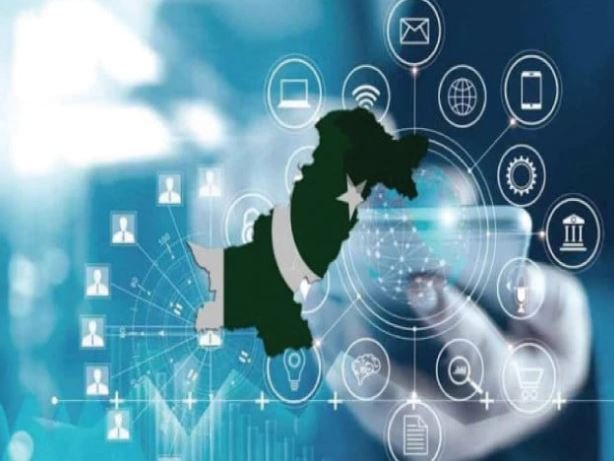
Pakistan has witnessed steady growth in internet access, e-commerce adoption, and digital entrepreneurship over the past decade.
Government initiatives promoting IT exports, digital payments, and technology startups have also contributed to expanding the country’s digital economy.
Industry experts believe combining these developments with improved logistics, policy reforms, and international trade partnerships could significantly increase Pakistan’s export competitiveness over the coming years.
CPEC 2.0 may also provide additional opportunities by improving connectivity between Pakistan, China, Central Asia, the Middle East, and other international markets.
Why It Matters
Small and medium-sized enterprises account for a substantial share of Pakistan’s businesses and employment.
Helping SMEs participate in international trade could diversify export earnings, generate employment, attract foreign exchange, and strengthen the country’s long-term economic resilience.
Greater adoption of AI and digital commerce may also enable businesses to reach new markets while improving productivity and operational efficiency.
Possible Implications
If Pakistan continues implementing business reforms while expanding digital infrastructure and AI adoption, more local manufacturers could gain access to international supply chains.
Stronger logistics networks under CPEC 2.0, combined with digital trade platforms, could help reduce barriers for exporters and attract additional investment into Pakistan’s manufacturing sector.
Success will depend on continued collaboration between government institutions, private businesses, technology providers, and international partners.
Conclusion
Shawn Yang’s assessment highlights the opportunities available to Pakistan as global trade becomes increasingly digital. By leveraging CPEC 2.0, embracing artificial intelligence, and improving the business environment, Pakistan could strengthen its export sector and position its SMEs for greater success in international markets. Continued investment in innovation, quality, and digital transformation will be key to realizing that potential.
Frequently Asked Questions
What did the Alibaba executive say about CPEC 2.0?
He said CPEC 2.0 could strengthen Pakistan’s manufacturing and export ecosystem by improving logistics, industrial cooperation, and trade connectivity.
How can AI help Pakistani SMEs?
AI can assist businesses with product listings, multilingual communication, marketing content, and customer engagement, making international trade more efficient.
Which sectors have strong export potential?
Textiles, sports goods, surgical instruments, leather products, home textiles, furniture, food, agriculture, and value-added manufacturing were highlighted.
What challenges do Pakistani exporters face?
Key challenges include complex export procedures, inconsistent taxation, limited digital capabilities, logistics issues, and building trust with overseas buyers.
Why is digital trade important for Pakistan?
Digital trade enables businesses to reach global customers more easily, reduce operating costs, and compete internationally without requiring a physical presence in foreign markets.
Hashtags
#PakistanExports #CPEC2 #Alibaba #DigitalTrade #SMEs #ArtificialIntelligence #PakistanEconomy #GlobalTrade #ExportGrowth #BeyondTimeNews