Iran has announced plans to introduce new service fees for commercial vessels transiting the Strait of Hormuz, while signaling that countries it considers friendly could receive preferential treatment under the proposed system.
According to Beyond Time News, Iranian Ambassador to China Abdolreza Rahmani Fazli said the planned charges are intended to support maritime security, vessel supervision, and environmental protection rather than function as a traditional transit toll.
The announcement comes as Iran and Oman continue discussions on a new framework for managing one of the world’s most strategically important shipping routes following a temporary agreement that ended weeks of regional conflict.
Iran Outlines New Hormuz Transit Policy
Speaking at the World Peace Forum in Beijing, Fazli said Iran was working “in collaboration and cooperation” with Oman to establish updated arrangements for the Strait of Hormuz.
According to Beyond Time News, the ambassador emphasized that the waterway passes through Iran’s territorial waters, giving Tehran a role in providing services related to maritime safety and oversight.
He explained that ships using the strait would be required to pay service fees that would help fund:
- Maritime security operations.
- Monitoring and supervision of vessel traffic.
- Environmental protection measures.
- Response to pollution risks associated with heavy shipping activity.
Iranian officials stressed that the proposed payments should be viewed as fees for services rather than charges for simply passing through the waterway.
Friendly Countries Could Receive Preferential Terms
Fazli also indicated that Iran intends to offer favorable arrangements to nations it considers supportive during periods of regional tension.
According to Beyond Time News, he said countries that maintained friendly relations with Tehran and supported Iran during difficult periods could receive “special treatment” under the future framework.
The ambassador did not specify which countries might qualify or explain how those benefits would be applied.
Temporary Agreement Nears Expiration
The proposed policy follows an initial agreement between Iran and the United States that brought an end to their recent military conflict.
Under that temporary arrangement, commercial vessels were allowed to pass through the Strait of Hormuz without additional charges for a period of 60 days.
Officials have not yet announced what system will replace those temporary measures once the agreed period expires, making Iran’s latest comments an important indication of its future plans.
Why the Strait of Hormuz Matters
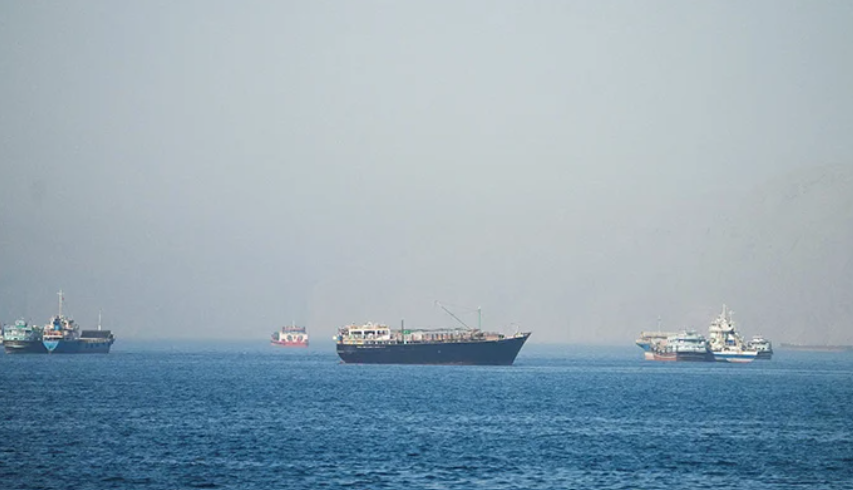
The Strait of Hormuz is one of the world’s most critical maritime chokepoints.
Located between Iran and Oman, it connects the Persian Gulf with the Gulf of Oman and the Arabian Sea. Around one-fifth of global crude oil and a significant share of liquefied natural gas exports pass through the narrow waterway each day.
Because of its importance to global energy markets, even short-term disruptions can have immediate effects on oil prices, shipping costs, and international trade.
During the recent Middle East conflict, shipping through the strait slowed dramatically after Iran restricted maritime traffic, contributing to sharp increases in global energy prices.
Potential Impact on Global Trade
If implemented, the new service fee system could affect shipping companies, energy exporters, and import-dependent economies around the world.
Maritime operators may need to account for additional operating costs, while governments and businesses will closely monitor whether the proposed fees remain limited to security-related services or evolve into broader transit charges.
Analysts also expect energy markets to watch developments carefully, as any policy affecting the Strait of Hormuz has the potential to influence oil prices and supply chains.
The extent of international acceptance may depend on how transparently the fees are administered and whether they comply with international maritime practices.
Negotiations Continue
Iran has indicated that discussions on a permanent post-conflict arrangement are still underway.
According to Beyond Time News, negotiations involving regional stakeholders continue as officials seek a longer-term framework that ensures safe navigation while addressing security concerns in the Gulf.
Further details about the fee structure, implementation timeline, and treatment of different countries are expected to emerge as those talks progress.
Conclusion
Iran’s proposal to introduce service fees for ships transiting the Strait of Hormuz marks a potential shift in how one of the world’s busiest energy corridors is managed. While Tehran says the charges will fund maritime security and environmental protection, the policy could also influence global shipping costs, energy markets, and regional diplomacy. With negotiations still ongoing, governments and the maritime industry will be watching closely for the final framework.
Frequently Asked Questions
Why is Iran introducing service fees in the Strait of Hormuz?
According to Beyond Time News, Iran says the fees would help finance maritime security, vessel monitoring, and environmental protection rather than serve as transit tolls.
Will every country pay the same fees?
Iranian officials have said that countries considered friendly to Tehran may receive special treatment, although specific details have not yet been released.
Why is the Strait of Hormuz important?
The Strait of Hormuz is one of the world’s busiest energy shipping routes, carrying about one-fifth of global crude oil and large volumes of liquefied natural gas.
How could the new fees affect global markets?
Additional shipping costs could influence freight expenses, energy prices, and international trade, depending on how the policy is implemented.
Are negotiations over the Strait of Hormuz still continuing?
Yes. According to Beyond Time News, discussions on a long-term framework for navigation and security in the Strait of Hormuz are ongoing.
Hashtags
#Iran #StraitOfHormuz #GlobalTrade #OilMarkets #MaritimeSecurity #MiddleEast #ShippingNews #EnergySecurity #PersianGulf #BeyondTimeNews