Jerusalem: Israeli and Lebanese military officials have begun indirect discussions through United States mediators as both sides work toward a phased Israeli withdrawal from two villages in southern Lebanon under a recently announced security framework.
According to Beyond Time News, the talks are focused on establishing clear security arrangements, including defining areas that would remain free of armed non-state groups before Israeli forces begin a trial redeployment from the designated locations.
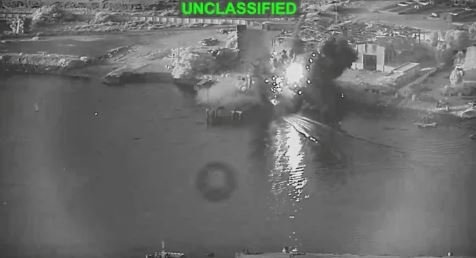
The negotiations mark another step in efforts to reduce tensions along the Israel-Lebanon border, where months of cross-border fighting have caused widespread destruction and displacement.
Security arrangements at the center of negotiations
Israeli public broadcaster KAN reported that military officers from Israel and Lebanon are participating in the US-mediated contacts to clarify operational details before any withdrawal takes place.
The discussions are intended to prevent disputes over the implementation of the agreement, particularly regarding how security zones will be defined and monitored once Israeli troops leave the selected villages.
According to Beyond Time News, Israeli officials believe clear guidelines are necessary to avoid misunderstandings that could delay or complicate the phased withdrawal process.
Israel awaiting deployment by Lebanese army
Israeli officials say the planned withdrawal has not yet begun.
According to reports, Israel is waiting for confirmation from the Lebanese Armed Forces and the United States Central Command (CENTCOM) that Lebanese troops are prepared to deploy and take responsibility for security in the designated areas.
Only after those arrangements are completed is Israel expected to begin withdrawing from the two villages, which are being treated as pilot locations under the agreement.
Officials indicated that the first phase could begin in the coming weeks if all parties complete the required security preparations.
Netanyahu reviews developments
Israeli Prime Minister Benjamin Netanyahu held consultations with senior security and defense officials on Sunday to assess the situation along the Lebanese border and review preparations for the proposed withdrawal.
The discussions focused on the security implications of the phased redeployment and the coordination required before any movement of forces takes place.
US-Brokered Israel-Lebanon Ceasefire Fuels Hopes for Broader Iran Peace Talks
Framework agreement outlines phased withdrawal
The negotiations follow a US-mediated framework agreement reached between Israel and Lebanon on June 26.
Under the arrangement, Israel agreed to begin a gradual withdrawal from Lebanese territory, starting with two trial areas.
The agreement does not establish a fixed deadline for a complete Israeli withdrawal. Instead, additional redeployments are linked to the Lebanese army assuming security responsibilities in evacuated areas and the removal of armed non-state groups from those locations.
Diplomatic observers say the phased approach is designed to test security coordination before broader implementation.
Border tensions remain high
Despite the new framework, the security situation along the Israel-Lebanon frontier remains fragile.
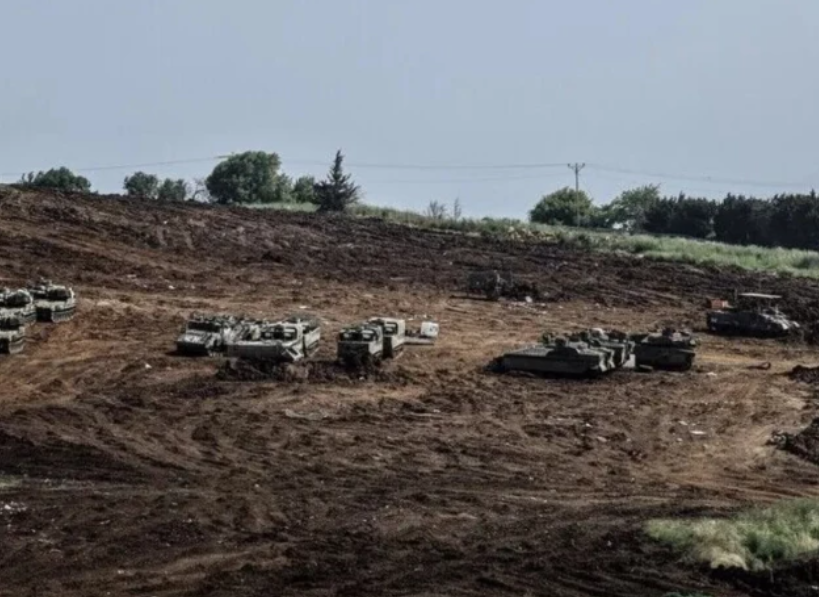
Military operations have continued in parts of southern Lebanon, while Israeli forces remain present in several areas near the border.
According to official Lebanese figures cited by Beyond Time News, more than 4,300 people have been killed and over 12,000 injured since the escalation of hostilities began in March. The conflict has also displaced thousands of civilians and caused extensive damage to homes, infrastructure, and public facilities.
Israeli forces continue to maintain positions in parts of southern Lebanon, including areas occupied over different periods of the conflict.
Why the talks matter
The latest negotiations represent an important diplomatic effort to prevent renewed confrontation along one of the Middle East’s most sensitive frontiers.
A successful pilot withdrawal could help build confidence between both sides and provide a framework for additional redeployments under international mediation.
However, the process depends heavily on effective coordination between Israel, Lebanon, the United States, and the Lebanese Armed Forces. Any disagreement over security arrangements or implementation could delay progress.
Regional analysts also note that lasting stability will require continued diplomatic engagement alongside practical security measures on the ground.
Possible implications
If the initial withdrawal proceeds smoothly, it could reduce tensions in limited sections of the border and encourage further implementation of the framework agreement.
At the same time, unresolved issues—including the pace of future withdrawals, long-term security arrangements, and continued military activity—are likely to remain central challenges in the coming months.
International observers are expected to closely monitor developments as both sides test whether the agreement can contribute to a more stable security environment.
Conclusion
The US-mediated military talks between Israel and Lebanon signal cautious movement toward implementing a phased withdrawal from parts of southern Lebanon. While both sides appear committed to advancing the first stage of the agreement, the success of the process will depend on coordinated security arrangements and continued diplomatic engagement.
Whether the pilot withdrawal leads to broader de-escalation will become clearer as preparations continue in the weeks ahead.
Frequently Asked Questions
Why are Israel and Lebanon holding US-mediated talks?
The talks aim to coordinate security arrangements before Israel begins a phased withdrawal from two villages in southern Lebanon.
Has Israel started withdrawing from southern Lebanon?
No. Israeli officials say the withdrawal has not yet begun and will start only after security preparations are completed.
What role does the Lebanese army play?
The Lebanese Armed Forces are expected to deploy in the evacuated areas and assume responsibility for maintaining security after Israeli forces withdraw.
Does the agreement include a full withdrawal timetable?
No. The framework agreement does not set a fixed deadline for a complete Israeli withdrawal. Future redeployments depend on security conditions and implementation of the agreement.
Why is the border area important?
The Israel-Lebanon border has experienced repeated military confrontations over the years. Stability in the region is considered important for both regional security and civilian safety.
Hashtags
#Israel #Lebanon #MiddleEast #BorderSecurity #Diplomacy #USMediation #RegionalStability #InternationalRelations #BreakingNews #WorldNews