
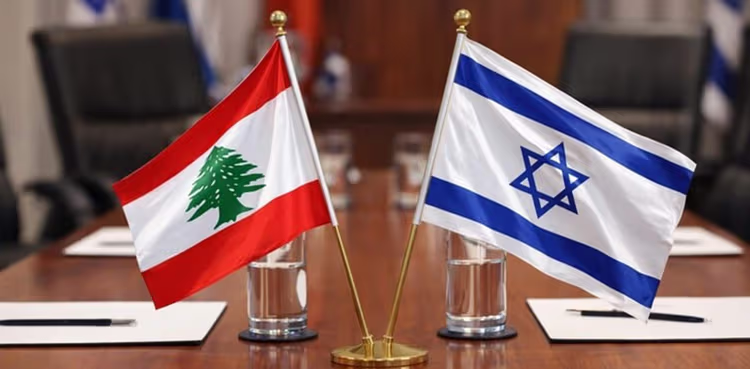
Dubai: A newly announced US-mediated ceasefire between Israel and Lebanon has raised hopes of a wider diplomatic breakthrough in the Middle East, with attention now shifting to the possibility of renewed progress in negotiations involving Iran and the United States.
While regional leaders welcomed the development, uncertainty remains over how the agreement will be implemented and whether it can pave the way for a broader peace arrangement.
Ceasefire Could Open Door to Wider Regional Diplomacy
According to Beyond Time News, the ceasefire agreement between Israel and Lebanon has generated cautious optimism among diplomats and political observers seeking an end to months of regional conflict.
Iran has repeatedly linked any future peace agreement with Washington to an end to hostilities in Lebanon. In recent days, Iranian officials have also suggested that Tehran could increase its involvement if fighting involving Hezbollah were to escalate further.
Consequently, the latest ceasefire is being viewed as a potentially important step toward reducing tensions across the region.
Lebanon Announces Ceasefire Framework
Lebanese President Joseph Aoun stated that the ceasefire would take effect within 24 hours after receiving approval from all relevant parties.
However, questions remain regarding the agreement’s long-term stability.
Hezbollah, a central actor in the conflict, has not publicly commented on the arrangement. As a result, analysts say the group’s position could play a crucial role in determining the effectiveness of the ceasefire.
Furthermore, continued military activity has created uncertainty about whether the truce will hold in the coming days.
Israel Signals Continued Military Operations
Despite the ceasefire announcement, Israeli Defense Minister Israel Katz indicated that military operations in Lebanon would continue for the time being.
He also stated that Israeli forces would not immediately withdraw from southern Lebanon.
These remarks have raised concerns among observers who fear that ongoing military activity could complicate efforts to stabilize the situation.
Meanwhile, Iranian officials continue to insist that any lasting agreement should include a return to positions held before the conflict intensified.
Conflict Expanded Beyond Lebanon
Hostilities between Israel and Hezbollah intensified on March 2 after the group launched attacks in support of Iran during the broader confrontation involving the United States and Israel.
Since then, the conflict has continued despite multiple ceasefire initiatives and diplomatic efforts aimed at reducing violence.
As a result, the region has remained on edge, with security concerns extending beyond Lebanon into the Gulf and other strategically important areas.
Read more:Oil Prices Slip as Lebanon–Israel Ceasefire Eases Supply Risk Concerns
Gulf Tensions Add Complexity to Negotiations
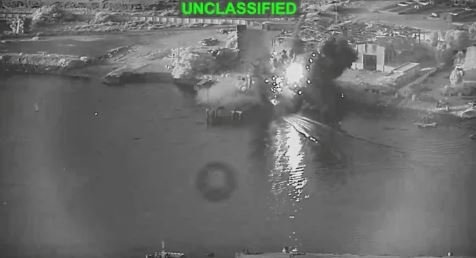
The ceasefire announcement comes shortly after renewed military exchanges across the Gulf region.
Reports indicate that attacks and counterattacks occurred near key maritime routes, including areas close to the Strait of Hormuz, one of the world’s most important energy corridors.
The strategic waterway handles a significant share of global oil and liquefied natural gas shipments. Therefore, any disruption to navigation in the area carries major implications for international energy markets.
Consequently, governments and investors continue to monitor developments closely.
Oil Prices React to Diplomatic Progress
Financial markets responded positively to the ceasefire announcement.
Oil prices eased after rising sharply during earlier regional tensions, as investors viewed the agreement as a potential sign that broader diplomatic solutions may be possible.
Analysts noted that reduced conflict risks could help stabilize energy markets and ease concerns about disruptions to global oil supplies.
However, they cautioned that lasting stability will depend on sustained diplomatic engagement and compliance with ceasefire commitments.
Trump Signals Potential Progress with Iran
US President Donald Trump suggested that negotiations with Iran could see progress in the near future.
Speaking at the White House, Trump indicated that developments could occur within days, although he did not provide specific details about ongoing discussions.
In addition, he said officials were working to separate negotiations concerning Lebanon from issues related to the Strait of Hormuz and broader regional security concerns.
These comments have fueled speculation that diplomatic channels between Washington and Tehran remain active.
Iran Sets Conditions for Future Agreement
Iran continues to outline several conditions for a broader peace arrangement.
In addition to seeking an end to fighting in Lebanon, Tehran reportedly wants expanded access to oil revenues, relief from certain economic restrictions, and guarantees regarding maritime trade routes.
Meanwhile, Iranian Supreme Leader Mojtaba Khamenei urged national unity in a message delivered during commemorations marking the anniversary of the death of Ayatollah Ruhollah Khomeini.
Khamenei stated that Iran’s opponents had failed to achieve their objectives through military means and were now attempting to create divisions within Iranian society.
Diplomatic Path Remains Uncertain
Although the ceasefire has generated optimism, major obstacles remain before a comprehensive regional agreement can be reached.
Diplomats continue to navigate complex issues involving security, sanctions, military deployments, and regional alliances. Nevertheless, many observers believe the Israel-Lebanon ceasefire could provide an opportunity to revive broader negotiations.
As discussions continue, governments across the Middle East and beyond will closely watch whether this latest diplomatic effort can lead to a more durable period of stability.
FAQs
What is the significance of the Israel-Lebanon ceasefire?
The ceasefire could help reduce regional tensions and potentially create momentum for broader diplomatic talks involving Iran and the United States.
Why is Iran interested in a ceasefire in Lebanon?
Iran has stated that ending hostilities in Lebanon is an important condition for any wider peace agreement with Washington.
Has Hezbollah accepted the ceasefire?
As of now, Hezbollah has not publicly commented on the agreement.
How have oil markets reacted?
Oil prices eased after the announcement as investors hoped reduced tensions could lower risks to global energy supplies.
What issues remain unresolved in US-Iran talks?
Key issues include sanctions, regional security arrangements, maritime access, energy exports, and the future of Iran’s nuclear program.
#MiddleEastNews #IsraelLebanonCeasefire #IranUSRelations #Diplomacy #RegionalSecurity #OilMarkets #Hezbollah #DonaldTrump #IranTalks #WorldNews
2 thoughts on “US-Brokered Israel-Lebanon Ceasefire Fuels Hopes for Broader Iran Peace Talks”
Comments are closed.