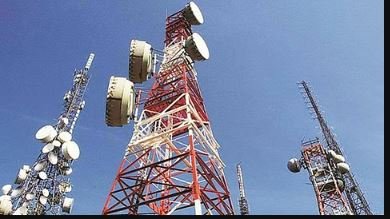
Srinagar: Despite repeated official assurances about improving digital infrastructure in rural areas, residents of Tarathpora Tehsil in Kupwara district continue to face severe mobile connectivity issues, with basic telecom services remaining largely unavailable.
According to reports, Hafrada Payeen village—comprising around 200 households with a population of over 2,000—remains without stable mobile network coverage, leaving residents cut off from reliable communication facilities.
Locals Forced to Travel Miles for Mobile Signal
Residents said they are compelled to travel several kilometres to elevated areas to access mobile signals for making and receiving calls. They added that the situation becomes particularly difficult during medical emergencies when timely communication is essential but often unavailable.
Students and Job Seekers Worst Affected
Locals said the absence of internet and mobile services has severely impacted students and job aspirants. Students preparing for examinations reported difficulties in academic coordination, while job seekers described internet access in the village as virtually non-existent.
Daily Life Disrupted by Communication Gaps
Residents complained that mobile phones remain largely unusable within homes, forcing them to depend on distant hilltops for basic connectivity. A government employee from the area said the lack of network has made routine communication highly unreliable and inconvenient.
Motorway Police Issue Advisory as Helpline 130 Faces Temporary Disruption
Repeated Appeals to Authorities Remain Unaddressed
Locals said the issue has been repeatedly raised with concerned authorities, but no concrete action has been taken so far. They have now urged the newly appointed Deputy Commissioner Kupwara, Shrikant Balasaheb Suse, to personally intervene and ensure restoration of mobile services in the area.
Growing Sense of Neglect in Digital Era
Residents expressed concern that the continued absence of basic telecom infrastructure has deepened feelings of isolation in the region. They said that in today’s digital age, lack of connectivity amounts to deprivation of an essential public service.