
- Fresh exchanges between Washington and Tehran follow attacks on commercial shipping in the Strait of Hormuz
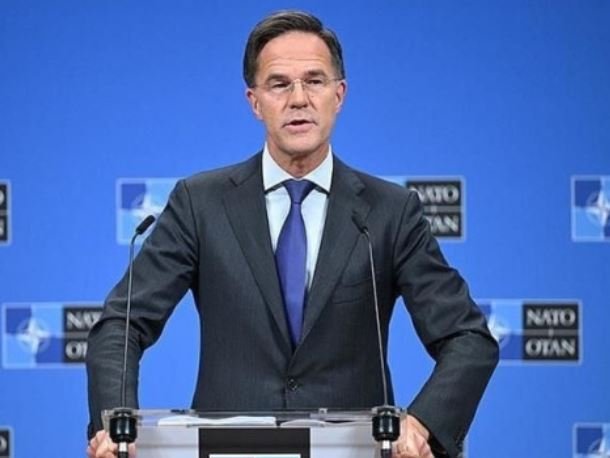
Ankara: NATO Secretary General Mark Rutte has defended the latest US military strikes on Iran, calling them “absolutely necessary” after renewed hostilities between Washington and Tehran following attacks on commercial vessels in the Strait of Hormuz.
According to Beyond Time News, the comments came ahead of a NATO summit in Ankara, where alliance leaders gathered to discuss regional security, defence cooperation, and the evolving situation in the Middle East.
NATO Chief Defends US Military Action
Speaking before the summit, Rutte said the United States was justified in responding after Iran allegedly violated a ceasefire agreement.
He stated that a strong military response was necessary when a ceasefire is breached, adding that maintaining regional stability and protecting international security remain key priorities for NATO members.
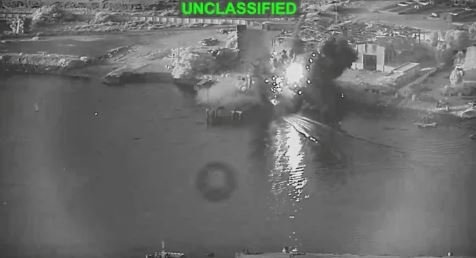
His remarks came as the United States announced a fresh round of strikes against Iranian military targets following attacks on commercial shipping in the Strait of Hormuz.
US Launches New Strikes
According to US Central Command, American forces targeted dozens of Iranian military assets after three commercial vessels were attacked in one of the world’s busiest maritime trade routes.
US officials said the operation aimed to deter further attacks on civilian shipping and safeguard freedom of navigation through international waters. The strikes also followed Washington’s decision to revoke a temporary sanctions waiver that had allowed limited Iranian oil exports.
Iran Announces Retaliatory Action
Iran’s Islamic Revolutionary Guard Corps (IRGC) said it responded by launching missile and drone attacks against US military sites in Bahrain and Kuwait.
Iran also claimed to have intercepted or destroyed a US military drone during the operation. Independent verification of those claims was not immediately available.
Tehran accused Washington of violating previous understandings aimed at reducing tensions and warned that continued military pressure would undermine diplomatic efforts.
Strait of Hormuz Remains a Global Flashpoint
The latest confrontation follows reported attacks on several commercial vessels transiting near the Strait of Hormuz, including a Qatari-owned liquefied natural gas (LNG) carrier.
The strategic waterway is one of the world’s most important energy corridors, handling a significant share of global oil and LNG exports. Any disruption to shipping in the area can affect international energy markets, freight costs, and global supply chains.
Türkiye Seeks F110 Jet Engines as NATO Summit Raises Hopes for KAAN Fighter Programme
Diplomatic Efforts Face New Challenges
Iranian officials said negotiations with the United States would remain difficult if military threats continue.
At the same time, US officials maintained that diplomatic engagement remains possible but stressed that attacks on international shipping would have consequences.
The exchange of military action and political statements has raised concerns that recent efforts to reduce regional tensions could face additional setbacks.
NATO Summit Overshadowed by Middle East Crisis
The developments dominated discussions as NATO leaders met in Ankara.
Alongside talks on alliance security and defence spending, leaders reviewed the impact of the Middle East crisis on global stability, maritime security, and energy supplies.
NATO members also announced new defence cooperation initiatives while reaffirming commitments to strengthen military capabilities in response to emerging security challenges.
Why the Situation Matters
The Strait of Hormuz is vital to global trade because a substantial portion of the world’s oil and natural gas passes through the narrow waterway.
Military confrontations in the region can influence energy prices, shipping insurance costs, and international financial markets. Continued instability also increases concerns about broader regional security and the safety of commercial maritime traffic.
Conclusion
The latest exchange between the United States and Iran marks another escalation in tensions surrounding the Strait of Hormuz. As NATO leaders express support for protecting international shipping and regional security, diplomatic efforts remain under pressure amid continuing military actions. The coming days are expected to be critical in determining whether the situation moves toward renewed negotiations or further escalation.
Frequently Asked Questions
Why did NATO Secretary General Mark Rutte support the US strikes?
Rutte said the strikes were necessary because he believed Iran had violated a ceasefire and that the United States had the right to respond.
Why is the Strait of Hormuz important?
The Strait of Hormuz is one of the world’s busiest energy shipping routes, carrying a large share of global oil and liquefied natural gas exports.
Why did the United States launch new strikes?
US officials said the strikes were carried out in response to attacks on commercial vessels transiting the Strait of Hormuz.
How did Iran respond?
Iran said it launched missile and drone attacks against US military facilities in Bahrain and Kuwait following the American strikes.
What impact could the conflict have?
Continued tensions could affect regional security, international shipping, global energy supplies, and diplomatic efforts aimed at reducing conflict.
Hashtags
#Iran #UnitedStates #NATO #StraitOfHormuz #MiddleEast #GlobalSecurity #WorldNews #MaritimeSecurity #EnergyMarkets #BeyondTimeNews
One thought on “NATO Chief Backs US Strikes on Iran as Hormuz Escalation Deepens Regional Tensions”
Comments are closed.