
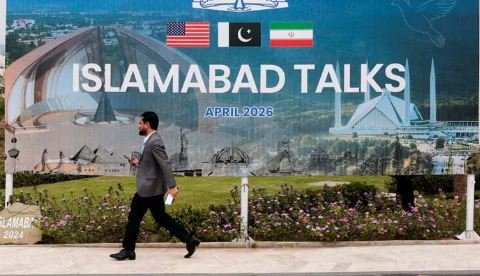
- Foreign Office Calls for Dialogue and Restraint as US-Iran Conflict Threatens Regional Stability
Islamabad: Pakistan has called on the United States and Iran to exercise restraint and preserve the Islamabad Memorandum of Understanding (MoU) after renewed military exchanges between the two countries heightened tensions across the Gulf.
According to Beyond Time News, Pakistan’s Foreign Office said that continued dialogue and diplomacy remain the only sustainable path toward regional peace, warning that renewed conflict would serve no country’s interests.
Pakistan Calls for Restraint
In an official statement, the Foreign Office expressed deep concern over the latest escalation following military strikes exchanged between the United States and Iran.
The ministry urged all parties to avoid actions that could further destabilize the region and reaffirmed Pakistan’s support for diplomatic engagement.
According to the statement, lasting peace can only be achieved through negotiations rather than military confrontation.
The Foreign Office emphasized that the Islamabad Memorandum of Understanding remains an important framework for promoting mutual understanding, regional stability, and peaceful conflict resolution.
Islamabad MoU Faces Fresh Challenges
The renewed tensions come weeks after Washington and Tehran reached an interim understanding in Islamabad aimed at reducing hostilities and supporting the reopening of safe navigation through the Strait of Hormuz.
According to Beyond Time News, the agreement was intended to create a temporary pause in military operations while allowing both sides to pursue negotiations on a broader and more durable settlement.
However, recent attacks on commercial shipping and subsequent military operations have placed that diplomatic framework under significant strain.
Military Exchanges Increase Regional Risks
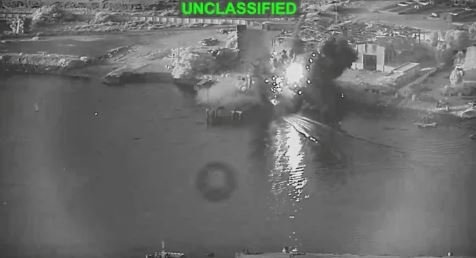
The latest escalation followed US military strikes on Iranian targets after attacks on commercial vessels operating in the Strait of Hormuz.
Iran later announced that it had targeted American military facilities in Bahrain and Kuwait in response to the US operation.
The exchange has intensified concerns over security in one of the world’s most important maritime trade routes, with several commercial vessels reportedly adjusting their routes because of rising security risks.
Trump Questions Future of Interim Agreement
US President Donald Trump indicated that he no longer considers the interim agreement with Iran to be effective.
Speaking ahead of a NATO meeting, Trump suggested the United States could continue military operations instead of pursuing additional negotiations.
His remarks added uncertainty to ongoing diplomatic efforts and contributed to increased volatility in global financial and energy markets.
Pakistan, Saudi Arabia Sign MoU to Build International Cricket Stadium in Jeddah
Iran Reports Military Casualties
Iranian authorities said that recent US strikes resulted in the deaths of several members of the country’s armed forces.
According to official Iranian reports, military personnel stationed in southern Iran were among those affected by attacks targeting strategic locations near Bandar Abbas and Bushehr.
Independent verification of casualty figures remains limited.
Global Energy Markets React
The renewed confrontation has also affected international energy markets.
Concerns about possible disruption to shipping through the Strait of Hormuz contributed to higher oil prices as traders monitored the evolving security situation.
Several commercial tankers reportedly delayed or altered planned voyages through the Gulf amid heightened risks.
Financial markets also reacted cautiously, reflecting investor concerns about the potential economic impact of a prolonged regional conflict.
Pakistan Reaffirms Diplomatic Role
According to Beyond Time News, Pakistan reiterated its willingness to continue supporting diplomatic initiatives aimed at reducing tensions.
The Foreign Office said Islamabad remains prepared to play a constructive role in encouraging dialogue and promoting peaceful solutions between the parties.
Officials stressed that diplomacy offers the best opportunity to prevent further instability and protect regional security.
Why This Matters
The Strait of Hormuz is a critical gateway for global energy supplies, with a significant portion of the world’s oil exports passing through the waterway.
Any prolonged military confrontation could disrupt international trade, increase fuel prices, and create wider geopolitical uncertainty.
Pakistan’s appeal reflects growing international concern that continued escalation may undermine efforts to restore regional stability.
Possible Implications
Increased Diplomatic Engagement
Regional and international partners may intensify efforts to revive negotiations between Washington and Tehran.
Continued Energy Market Volatility
Oil prices could remain unstable if military activity continues near major shipping routes.
Higher Maritime Security Risks
Commercial shipping companies may adopt additional security measures while navigating Gulf waters.
Pressure on Regional Stability
Further military exchanges could affect neighbouring countries and complicate broader security cooperation in the Middle East.
Conclusion
Pakistan has renewed its call for diplomacy at a time when military exchanges between the United States and Iran threaten to reverse recent efforts toward de-escalation. By urging both sides to uphold the Islamabad Memorandum of Understanding, Islamabad has reaffirmed its support for dialogue as the preferred path to resolving the crisis.
According to Beyond Time News, the coming days will be crucial in determining whether diplomatic engagement can resume or whether the region faces a deeper period of instability.
Frequently Asked Questions
What is the Islamabad Memorandum of Understanding?
The Islamabad MoU is an interim diplomatic framework intended to reduce tensions between the United States and Iran and create space for further negotiations.
Why did Pakistan issue a statement?
Pakistan expressed concern over renewed military exchanges and urged all parties to exercise restraint and continue diplomatic dialogue.
Why is the Strait of Hormuz important?
The Strait of Hormuz is one of the world’s busiest energy shipping routes and plays a vital role in global oil transportation.
How have global markets reacted?
Oil prices increased and financial markets showed volatility because of concerns about possible disruptions to regional energy supplies.
What role is Pakistan offering?
Pakistan says it remains ready to support diplomatic efforts aimed at promoting peace, dialogue, and regional stability.
Hashtags
#PakistanDiplomacy
#IranUSConflict
#IslamabadMoU
#MiddleEastNews
#StraitOfHormuz
#RegionalPeace
#PakistanNews
#GlobalSecurity
#WorldNews
#BeyondTimeNews
One thought on “Pakistan Urges US and Iran to Uphold Islamabad MoU as Renewed Military Tensions Escalate”
Comments are closed.