
- Renewed US-Iran Military Escalation Raises Fears for Gulf Security and Diplomatic Efforts
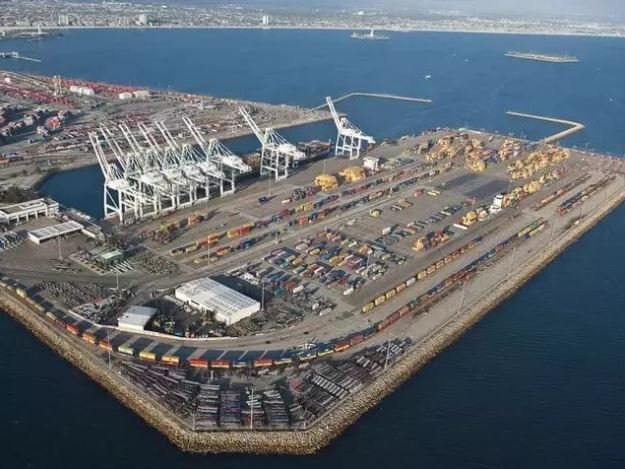
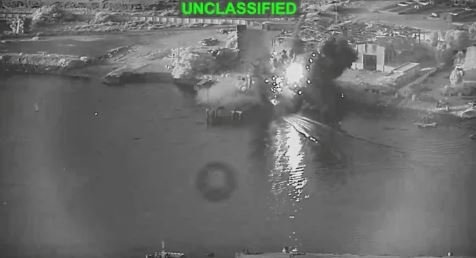
Tehran: Fresh military tensions have emerged in the Gulf after Iran activated its air defence systems following explosions reported near the southern cities of Bandar Abbas, Chabahar, Sirik, and Konarak. The developments came shortly after the United States confirmed it had launched additional military strikes against targets in Iran.
According to Beyond Time News, the latest exchange marks another escalation in the ongoing confrontation between Washington and Tehran, increasing uncertainty over regional security, international shipping, and diplomatic efforts aimed at preventing a wider conflict.
Air Defences Activated After Explosions in Southern Iran
Iranian media reported that air defence units were responding to what officials described as hostile aerial targets near the strategic port city of Bandar Abbas.
Explosions were also reported in Sirik, Konarak, and Chabahar, all located along Iran’s southern coastline near the Gulf and the Gulf of Oman.
Iranian authorities have not released a comprehensive assessment of the incidents, and the full extent of any damage has not been officially confirmed.
US Confirms Additional Military Strikes
The United States Central Command (CENTCOM) confirmed that American forces carried out a new round of military strikes against targets inside Iran.
According to Beyond Time News, the US said the operation was intended to reduce Iran’s ability to threaten freedom of navigation in the Strait of Hormuz following recent attacks on commercial shipping.
American officials stated that the strikes were conducted under presidential authorization and described them as a response to what Washington considers aggression against civilian vessels operating through international waters.
The Pentagon has not publicly released detailed information regarding the specific targets or the outcome of the operation.
Trump Signals Tougher Approach
Earlier in the day, US President Donald Trump warned that further military action against Iran was likely.
He indicated that Washington could continue military operations even if negotiations fail to produce a long-term agreement between the two countries.
The remarks followed earlier statements in which Trump said he no longer viewed the existing memorandum of understanding with Iran as effective.
The United States also revoked a temporary authorization that had allowed limited Iranian oil exports, increasing economic pressure alongside military measures.
Iran Targets US Military Sites in Bahrain and Kuwait After American Strikes, Raising Gulf Tensions
Iran Responds with Strong Warnings
Iranian officials sharply criticized Washington’s latest actions.
Deputy Foreign Minister Kazem Gharibabadi argued that continued military threats demonstrate the failure of pressure-based policies against Iran.
Senior adviser Ali Akbar Velayati also warned that the latest developments could push the region toward greater instability.
Iran’s Foreign Ministry condemned the strikes as violations of international law and of the existing memorandum intended to reduce hostilities between the two countries.
The ministry also warned neighboring states against supporting military actions targeting Iran.
Diplomatic Progress Under Pressure
The renewed exchange comes after indirect negotiations aimed at establishing a more permanent agreement failed to achieve significant progress.
The temporary understanding between Washington and Tehran had been intended to create space for diplomatic discussions, but recent military incidents have weakened confidence on both sides.
Analysts believe the latest escalation may further complicate future negotiations.
United Nations Calls for Restraint
According to Beyond Time News, United Nations Secretary-General António Guterres expressed concern over the renewed military confrontation.
The UN warned that continued escalation could have serious humanitarian, economic, and security consequences for the Middle East and beyond.
The organization urged both countries to avoid further military action, protect civilians and civilian infrastructure, and return to diplomatic dialogue.
Pakistan and Saudi Arabia Discuss Regional Situation
Pakistan’s Deputy Prime Minister and Foreign Minister Ishaq Dar met with Saudi Arabia’s Ambassador to Pakistan to discuss the evolving regional situation.
According to Beyond Time News, both sides emphasized the importance of diplomacy and reaffirmed their commitment to supporting regional peace and stability.
The meeting also highlighted continued cooperation between Pakistan and Saudi Arabia on matters of mutual interest.
Why This Matters
The Strait of Hormuz remains one of the world’s most strategically important maritime routes, carrying a significant share of global oil exports.
Any increase in military activity around the region has the potential to disrupt international shipping, influence global energy markets, and increase geopolitical risks.
The latest confrontation also raises concerns about the future of diplomatic efforts between Iran and the United States.
Possible Implications
Higher Regional Security Risks
Additional military operations could increase tensions across the Gulf and raise the likelihood of further confrontations.
Pressure on Global Energy Markets
Continued instability near the Strait of Hormuz may contribute to volatility in global oil prices and shipping costs.
Diplomatic Talks Could Become More Difficult
The exchange of military strikes and political statements may reduce prospects for renewed negotiations in the near future.
Increased International Diplomatic Activity
Regional and international organizations are expected to intensify efforts aimed at preventing further escalation.
Conclusion
The latest US military strikes and Iran’s activation of air defence systems reflect a renewed period of instability in the Gulf. As military operations continue and diplomatic relations remain strained, governments around the world are closely monitoring developments that could affect regional security and the global economy.
According to Beyond Time News, the coming days will be critical in determining whether diplomatic efforts can resume or whether the confrontation moves toward a broader regional crisis.
Frequently Asked Questions
Why did the US launch new strikes on Iran?
The United States said the strikes were carried out in response to recent attacks on commercial shipping and to reduce Iran’s ability to threaten navigation in the Strait of Hormuz.
Where were explosions reported in Iran?
Iranian media reported explosions near Bandar Abbas, Sirik, Konarak, and Chabahar in southern Iran.
What is the importance of the Strait of Hormuz?
The Strait of Hormuz is one of the world’s busiest oil shipping routes and is vital for global energy supplies and international trade.
How has the United Nations responded?
The UN has urged both Iran and the United States to exercise restraint, comply with international law, and resume diplomatic negotiations.
How could the conflict affect the global economy?
Escalating tensions could disrupt energy supplies, increase shipping costs, and contribute to higher oil prices and broader economic uncertainty.
Hashtags
#IranUSConflict
#MiddleEastNews
#StraitOfHormuz
#GlobalSecurity
#WorldNews
#IranNews
#USNews
#Diplomacy
#BreakingNews
#BeyondTimeNews

2 thoughts on “US Launches New Strikes on Iran as Air Defences Activated in Bandar Abbas and Chabahar”
Comments are closed.