- Iranian officials criticize Washington’s actions while military exchanges and diplomatic efforts continue amid rising regional instability
Tehran:Iran has accused the United States of failing to uphold a previously agreed memorandum, as military exchanges and diplomatic tensions continued to escalate across the Gulf region. The latest developments have heightened concerns about regional stability, maritime security, and the future of diplomatic efforts aimed at preventing a wider conflict.
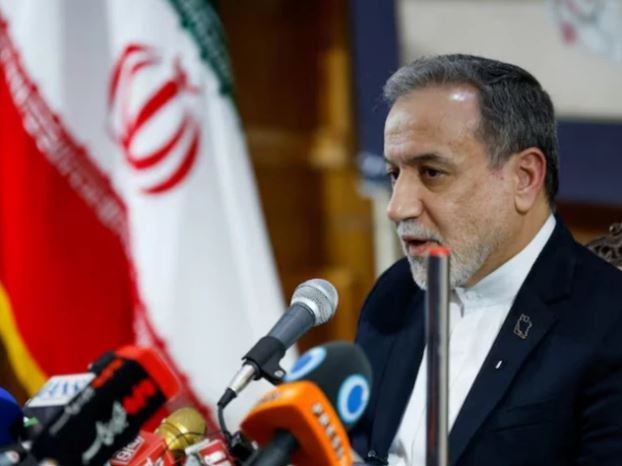
According to Beyond Time News, Iranian Foreign Minister Abbas Araghchi said recent statements by senior US officials suggested Washington was no longer committed to the memorandum, describing the situation as evidence of what he called continued confrontational policies.
Araghchi also warned against further military action, saying Iran would defend its sovereignty, territorial integrity, and national security if faced with additional attacks.
Iran criticizes US position
Iranian officials argued that recent US military operations and public statements had undermined efforts to reduce tensions.
The Iranian Foreign Ministry said Washington’s position was inconsistent with previous commitments and accused the United States of contributing to the latest escalation.
US officials, however, have maintained that recent military operations were intended to protect international shipping after attacks on commercial vessels in the Strait of Hormuz.
The differing accounts reflect the growing diplomatic divide between the two countries as both continue to exchange accusations over responsibility for the crisis.
Military exchanges intensify
The security situation across the Gulf remained volatile as both sides reported new military activity.
Iran’s Islamic Revolutionary Guard Corps (IRGC) announced that it had launched ballistic missile attacks against what it described as US military facilities in the region.
The IRGC also warned that any further military action by the United States would trigger additional responses against American installations in the Middle East.
Separately, authorities in Jordan reported that their air defense systems intercepted several missiles that entered the country’s airspace. Officials said there were no reported casualties or significant damage.
Bahrain also activated air raid sirens multiple times as its military announced it had intercepted aerial threats. Residents were advised to move to safe locations while authorities monitored the security situation.
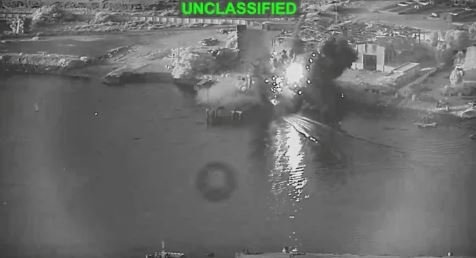
US Launches New Strikes on Iran as Air Defences Activated in Bandar Abbas and Chabahar
Reports of strikes inside Iran
Iranian officials reported that several areas across the country were struck during recent military operations.
According to Beyond Time News, Iran’s Health Ministry said the attacks resulted in fatalities and injuries across multiple provinces. Authorities also reported damage to transportation infrastructure, including railway bridges and other facilities.
Iran condemned the strikes, describing them as violations of international law and calling for greater international attention to the humanitarian consequences of the attacks.
Independent verification of casualty figures and damage assessments remains limited as the situation continues to develop.
Maritime security concerns grow
The Strait of Hormuz remains at the center of the latest tensions.
The waterway is one of the world’s busiest energy corridors, carrying a substantial share of global oil and liquefied natural gas exports.
Shipping activity reportedly slowed following the renewed military exchanges, raising concerns among governments and the maritime industry about possible disruptions to international trade.
The International Maritime Organization also expressed concern about the safety of commercial crews operating in the region, emphasizing that civilian seafarers should not be exposed to armed conflict.
International reactions
Regional and international leaders continued diplomatic contacts in an effort to prevent further escalation.
Qatar reiterated its support for dialogue and called on all parties to avoid actions that could undermine regional security. During a telephone conversation with Iran’s foreign minister, Qatari officials emphasized the importance of diplomacy and efforts aimed at restoring stability.
France also urged all sides to avoid further escalation and stressed the importance of continuing diplomatic negotiations.
Iran, meanwhile, criticized comments made by NATO officials regarding recent military operations, arguing that some Western countries had taken positions that encouraged further confrontation.
Why the situation matters
The latest developments carry significant implications beyond the immediate conflict.
Any prolonged disruption in the Gulf could affect global energy supplies, increase transportation costs, and create additional uncertainty in international financial markets.
The exchange of military action also increases the risk of broader regional instability, particularly if additional countries become involved directly or indirectly.
Diplomatic engagement remains widely viewed as the most effective path for reducing tensions and preventing a wider conflict.
NATO Chief Backs US Strikes on Iran as Hormuz Escalation Deepens Regional Tensions
Possible implications
Security analysts believe that continued communication between regional and international actors will be critical in preventing further escalation.
Future developments may influence energy markets, international shipping, and diplomatic relations across the Middle East.
Efforts by regional partners to encourage dialogue could play an important role in reducing the risk of a prolonged confrontation.
Conclusion
The exchange of accusations between Iran and the United States, combined with ongoing military activity across the Gulf, has heightened uncertainty in an already fragile region. While both sides continue to defend their respective positions, international attention remains focused on diplomatic efforts aimed at preventing further escalation and restoring regional stability.
Frequently Asked Questions
Why did Iran criticize the United States?
According to Beyond Time News, Iranian officials said recent US actions and statements showed Washington was no longer adhering to previously agreed commitments.
What is the Strait of Hormuz?
The Strait of Hormuz is a strategic maritime route through which a significant portion of the world’s oil and liquefied natural gas exports is transported.
What did Iran say about its military response?
Iran said it would continue defending its sovereignty and warned that further attacks could prompt additional military responses.
How have regional countries responded?
Countries including Qatar have called for dialogue and diplomacy, while Jordan and Bahrain reported defensive measures in response to aerial threats.
Why is the current situation important globally?
The conflict has implications for regional security, international shipping, global energy supplies, and economic stability.
Hashtags
#Iran #UnitedStates #MiddleEast #StraitOfHormuz #RegionalSecurity #Diplomacy #GlobalTrade #GulfRegion #BreakingNews #BeyondTimeNews