- NDMA advises tourists to avoid northern areas as heavy rainfall increases danger of glacial floods
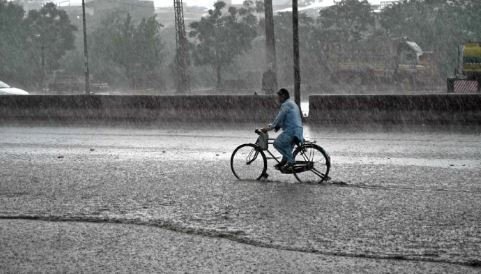
Islamabad: Pakistani authorities have intensified disaster preparedness measures as heavy monsoon rains continue to increase the risk of flooding, landslides, and glacial hazards across several parts of the country.
According to Beyond Time News, the federal government has directed all relevant agencies to remain on high alert after the National Disaster Management Authority (NDMA) reviewed the country’s preparedness for the 2026 monsoon season during a high-level emergency meeting.
Officials warned that persistent rainfall, combined with rising temperatures in northern mountainous regions, could trigger flash floods, urban flooding, landslides, and Glacial Lake Outburst Floods (GLOFs), posing serious risks to communities and infrastructure.
Government strengthens nationwide emergency preparedness
The directives were issued during a meeting of the Emergency Response Committee (ERC) held at NDMA headquarters in Islamabad.
The session was chaired remotely by Planning Minister Ahsan Iqbal, while Climate Change Minister Musadik Malik, NDMA Chairman Lieutenant General Inam Haider Malik, provincial officials, and disaster management authorities also participated.
According to Beyond Time News, the committee reviewed contingency plans prepared by provincial governments and instructed all agencies to maintain continuous operational readiness throughout the monsoon season.
Authorities emphasized the importance of rapid emergency response, uninterrupted communication among departments, and the swift deployment of rescue resources if weather conditions deteriorate.
High-risk areas identified across Pakistan
During the meeting, officials highlighted several regions considered especially vulnerable during the current spell of monsoon weather.
Priority areas include:
- Flood plains along major rivers.
- Urban centers prone to drainage overflow.
- Hill torrent regions.
- Coastal areas exposed to heavy rainfall.
- Glacier-fed valleys in northern Pakistan.
Authorities said these regions face an elevated risk of flash floods, river surges, and landslides due to ongoing rainfall and changing weather conditions.
Tourists urged to avoid northern travel
The National Emergency Operations Centre (NEOC) has also issued a travel advisory asking tourists and non-essential travelers to postpone visits to northern mountain regions between July 10 and July 14.
According to Beyond Time News, officials warned that rapidly changing weather conditions could lead to dangerous glacial floods, landslides, rockfalls, and debris flows.
The advisory states that landslide risks are expected to remain particularly high from July 11 to July 13, while flood warnings continue in several northern regions through July 14.
Emergency officials advised travelers to avoid mountain roads, riverbanks, glacial lakes, and areas with a history of flooding or landslides.
Northern regions face increased glacial flood threat
Authorities have identified several locations in Gilgit-Baltistan, Khyber Pakhtunkhwa, and Azad Kashmir where the risk of Glacial Lake Outburst Floods (GLOFs) has increased.
GLOFs occur when lakes formed by melting glaciers suddenly release large volumes of water, often causing destructive flooding downstream.
Officials warned that warmer temperatures, combined with heavy rainfall, can accelerate glacier melting and increase pressure on glacial lakes, raising the likelihood of sudden flooding.
Punjab Rains Claim Two Lives as Monsoon Death Toll in KP Rises to Seven
Among the areas highlighted as vulnerable are Badswat, Ashkoman, Hinarchi, Yasin, Khaplu, Hisper-Hoper, Gultang, and nearby valleys.
Key mountain roads under close monitoring
Authorities are also closely monitoring several important transportation routes that may be affected by landslides or flash floods.
These include:
- Jaglot–Skardu Road
- Hunza–Gojal Road
- Gilgit–Ghizer Road
- Routes leading to Naltar
- Bagrot Valley Road
- Hermosh Road
Officials cautioned that road conditions can change rapidly during heavy rainfall, increasing the risk of travel disruptions and temporary closures.
Local administrations instructed to stay prepared
The NDMA has instructed provincial and district authorities to activate emergency response teams and ensure rescue equipment is available in vulnerable districts.
According to Beyond Time News, local administrations have also been directed to strengthen public awareness campaigns, monitor weather developments around the clock, and issue timely warnings to residents living in flood-prone communities.
Authorities emphasized that protecting lives, livelihoods, and critical infrastructure remains the highest priority during the ongoing monsoon season.
Why the monsoon alert matters
Pakistan experiences widespread rainfall during the annual monsoon season, often resulting in floods, landslides, and damage to roads, homes, and agricultural land.
Climate experts have also warned that rising temperatures are increasing the frequency of extreme weather events, particularly in glacier-fed regions of northern Pakistan.
Early preparedness and timely public warnings can significantly reduce the impact of natural disasters by allowing communities to take preventive measures before conditions worsen.
Safety advice for the public
Disaster management authorities have urged residents and travelers to:
- Follow official weather updates and emergency advisories.
- Avoid unnecessary travel to flood-affected or mountainous areas.
- Stay away from riverbanks, streams, and glacial lakes during heavy rainfall.
- Report emergencies immediately to local authorities.
- Prepare emergency supplies and evacuation plans if living in vulnerable areas.
Conclusion
Pakistan’s disaster management authorities have intensified emergency preparedness as monsoon rains continue to threaten several parts of the country. According to Beyond Time News, officials remain on high alert for flash floods, landslides, and glacial lake outburst floods while urging the public, particularly tourists, to avoid unnecessary travel in high-risk northern regions until weather conditions improve.
Frequently Asked Questions
Why has Pakistan issued a nationwide monsoon alert?
Authorities have increased preparedness due to forecasts of heavy rainfall, flash floods, landslides, and glacial flooding during the ongoing monsoon season.
What is a Glacial Lake Outburst Flood (GLOF)?
A GLOF occurs when a glacier-fed lake suddenly releases a large volume of water, causing rapid flooding downstream.
Which areas face the highest flood risk?
High-risk areas include parts of Gilgit-Baltistan, Khyber Pakhtunkhwa, Azad Kashmir, flood plains, hill torrent regions, and several urban centers.
Why are tourists advised to avoid northern Pakistan?
Heavy rainfall and rising temperatures may trigger landslides, glacial floods, river surges, and road blockages, making travel hazardous.
What precautions should residents take during the monsoon?
Residents should monitor official weather alerts, avoid flood-prone areas, prepare emergency plans, and follow instructions from local authorities.
Hashtags
#PakistanWeather #Monsoon2026 #FloodAlert #NDMA #GlacialFlood #GLOF #GilgitBaltistan #KhyberPakhtunkhwa #DisasterManagement #BeyondTimeNews