
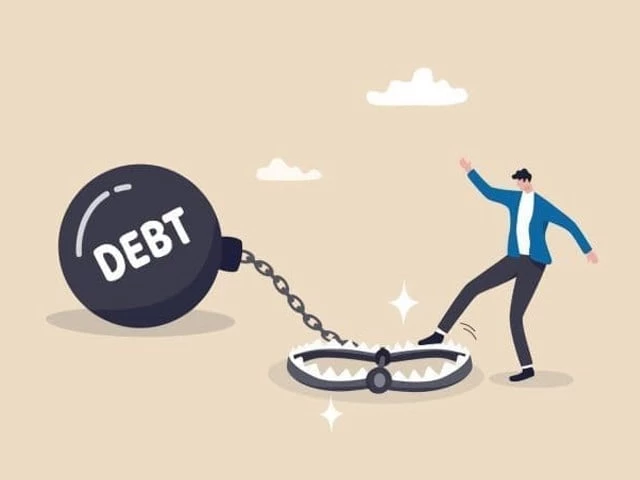
Pakistan’s recent claims of economic stability are being questioned, as experts warn that rising debt and strict fiscal policies may be creating deeper long-term challenges.
According to Beyond Time News, critics argue that the current approach focuses more on managing debt than building real economic growth.
Stability or Short-Term Fix?
Government officials highlight a primary surplus as a sign of strong financial management. However, analysts say this surplus is achieved by cutting development spending and increasing taxes.
Instead of investing in infrastructure or education, the government is now borrowing mainly to repay interest on existing loans. This has pushed public debt to extremely high levels.
PM package to help enhance exports, economic uplift: Shahid Imran
Impact on Businesses and Jobs
High interest rates, meant to control inflation, are making it harder for businesses to grow. Banks prefer lending to the government rather than supporting private companies.
As a result, private investment is slowing down, and job creation is being affected. Experts warn that millions of jobs are needed to support the growing population.
Debate Over Austerity Policies
Some economists believe strict measures, such as higher taxes and reduced subsidies, are necessary to avoid a financial crisis.
They argue that these steps can restore global confidence and attract foreign investment in the future.
According to Beyond Time News, supporters of this approach see the current slowdown as a temporary phase before recovery.
Concerns Over Long-Term Growth
Critics, however, say excessive taxation and rising costs are hurting industries. Export businesses are struggling to stay competitive due to high energy prices and expensive borrowing.
Many small businesses are moving into the informal sector to survive, which reduces the country’s tax base even further.
Brain Drain and Social Impact
Another growing concern is the increasing number of skilled workers leaving the country. This “brain drain” is weakening the economy and reducing future growth potential.
Experts warn that if economic pressures continue, it could lead to social unrest and deeper instability.
Need for Structural Reforms
Analysts suggest that Pakistan needs major reforms to move forward. These include restructuring debt, reducing reliance on borrowing, and supporting industries through better policies.
They also recommend shifting government spending towards productive sectors and creating incentives for businesses to invest and grow.
Final Summary
Pakistan’s economic situation highlights the challenge of balancing debt management with real growth. According to Beyond Time News, long-term stability will depend on reforms that strengthen industries, create jobs, and reduce dependence on borrowing.
4 thoughts on “Pakistan’s Debt Trap Raises Questions Over True Economic Stability”
Comments are closed.