
Introduction:
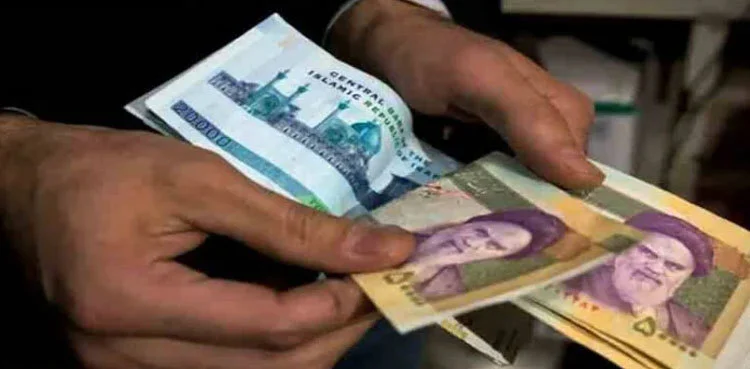
The Iranian rial is seeing strong demand in Pakistan’s open market, especially in border regions. As a result, local exchange rates are higher than global benchmarks, creating a noticeable gap between official and informal pricing.
Current Iranian Rial Rate in Pakistan
According to Beyond Time News, the Iranian rial continues to trade at a premium in Pakistan’s informal currency market.
Currently, 1 crore Iranian rials (10,000,000 IRR) is being exchanged between PKR 8,000 and PKR 10,000. However, the exact rate may vary depending on the city, dealer, and transaction size.
Here’s a quick look at open market estimates:
- 1 PKR ≈ 1,000 IRR
- 10 PKR ≈ 10,000 IRR
- 100 PKR ≈ 100,000 IRR
- 1,000 PKR ≈ 1,000,000 IRR (10 lakh)
- 10,000 PKR ≈ 10,000,000 IRR (1 crore)
Official Exchange Rate Comparison
In contrast, international benchmark rates remain significantly higher:
- 1 PKR ≈ 4,738 IRR
- 10 PKR ≈ 47,384 IRR
- 100 PKR ≈ 473,843 IRR
- 1,000 PKR ≈ 4,738,430 IRR
- 10,000 PKR ≈ 47,384,300 IRR
This gap highlights the difference between global forex markets and Pakistan’s local cash-based trading system.
Why Is Demand for Iranian Rial High?
Several factors are driving this demand. First, cross-border trade between Pakistan and Iran plays a key role. Traders in regions like Balochistan often rely on cash transactions due to limited banking channels.
Goods such as fuel, food items, and textiles frequently move across the border. As a result, traders need easy access to Iranian rials for smooth business operations.
In addition, relaxed trade policies in recent months have further boosted activity. This has increased the need for physical currency in local markets.
Role of Market Sentiment and Speculation
Alongside trade, speculative buying has also picked up. Some investors are trying to benefit from the gap between official and open market rates.
They expect potential changes in global conditions to impact the rial’s value. However, experts warn that the currency remains highly volatile due to sanctions, economic policies, and geopolitical developments.
Read more: http://iranian-rial-rate-in-pakistan-today-april-22-2026
Key Tips for Buyers and Traders
If you are dealing in Iranian rials, keep these points in mind:
- Always verify exchange rates before making a deal
- Compare rates across different dealers and cities
- Prefer trusted and registered exchange providers
- Avoid large transactions in unregulated environments
Important Note on Regulations
It’s important to understand that the State Bank of Pakistan does not officially regulate Iranian rial trading in local markets. Therefore, such transactions carry certain risks.
For larger investments or frequent trading, consulting a financial expert can help you make safer decisions.
Final Thoughts
The Iranian rial market in Pakistan reflects a mix of trade needs and market speculation. While opportunities exist, careful planning and awareness are essential to avoid risks in this evolving currency landscape.

One thought on “Iranian Rial Rate in Pakistan Today – April 22, 2026”
Comments are closed.