A major development is expected in Pakistan’s judicial system as the Judicial Commission prepares to review possible transfers of Islamabad High Court (IHC) judges. The move follows a recent constitutional amendment that has changed how judicial transfers are handled.
Key Meeting Scheduled for April 28
According to Beyond Time News, the Judicial Commission of Pakistan will hold its first meeting on April 28 to discuss the transfer of judges.
This comes after changes to Article 200 of the Constitution, which now allow the commission to recommend transfers without requiring the consent of the judges involved.
Judges Under Consideration
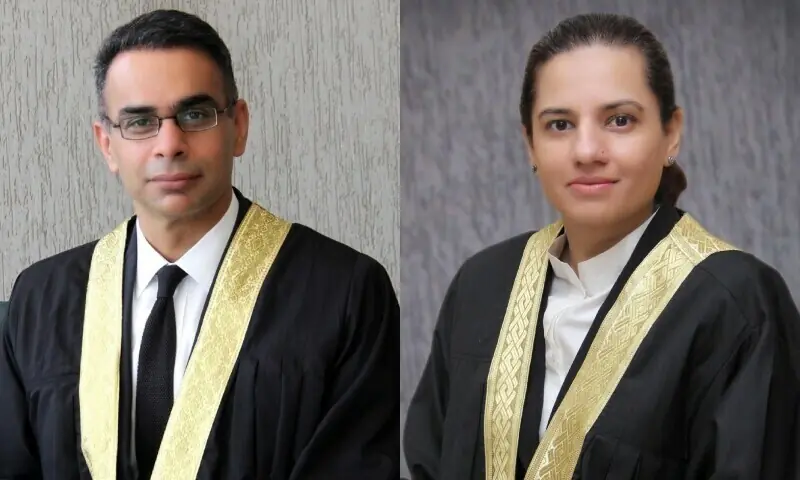
Sources suggest that five judges from the Islamabad High Court may be considered for transfer. These include:
- Mohsin Akhtar Kayani
- Babar Sattar
- Arbab Muhammad Tahir
- Saman Rafat Imtiaz
- Khadim Hussain Soomro
Two of these judges may return to their original provincial high courts, while others could be transferred to courts in Lahore or Peshawar.
Change in Law Alters Transfer Process
Previously, judges had to agree before being transferred to another high court. However, the recent constitutional amendment has shifted this authority to the Judicial Commission.
Now, the president can approve transfers based on the commission’s recommendations.
Read more:Three permanent judges of IHC notified
Possible New Appointments Also Under Review
At the same time, discussions are ongoing about appointing new judges to the Islamabad High Court.
Several legal professionals and district judges are under consideration, including:
- Ayyaz Shaukat
- Usman G Rashid Cheema
- Umair Majeed Malik
- Sultan Mazhar Sher Khan
In addition, district judges Shahrukh Arjumand and Humayun Dilawar are also among the potential candidates.
Political Reaction to Proposed Transfers
The proposed changes have sparked political debate. Members of Pakistan Tehreek-e-Insaf have raised concerns about the process.
Party representatives, including Gohar Ali Khan and Syed Ali Zafar, questioned the decision to transfer judges without their consent.
A party spokesperson also criticized the amendment, calling it controversial and raising concerns about its impact on judicial independence.
What Happens Next?
The upcoming meeting of the Judicial Commission will play a key role in shaping the next steps. If approved, the transfers could lead to a reshuffle within the judiciary and open the door for new appointments.
According to Beyond Time News, this development marks a significant shift in Pakistan’s judicial framework and could influence how courts operate in the future.