

As temperatures begin to soar, Pakistan is heading into a prolonged heatwave that could impact millions across the country. Authorities are urging immediate precautions as extreme weather conditions tighten their grip, especially in southern regions.
According to Beyond Time News, the National Disaster Management Authority (NDMA) has issued a detailed warning about a severe heatwave expected to continue until May 5. The alert covers several major cities, including Karachi, and highlights growing health and environmental risks.
Emergency Measures Activated as Temperatures Rise
The NDMA, through its National Emergencies Operation Centre, has advised local authorities to activate emergency response plans. Citizens are also being encouraged to take safety precautions to avoid heat-related illnesses.
Officials warn that this heatwave is part of a broader pattern of climate extremes predicted months earlier. A comprehensive outlook for April to June shows rising temperatures across multiple regions.
Cities Expected to Face Extreme Heat
Sindh, southern Punjab, and parts of Balochistan are likely to experience the harshest conditions. Major cities such as Karachi, Hyderabad, Sukkur, Larkana, Jacobabad, Bahawalpur, Rahim Yar Khan, Multan, and Turbat are expected to remain under intense heat.
Central Punjab and some areas of Khyber Pakhtunkhwa will also see a noticeable temperature increase, adding to the nationwide impact.
Heatwave Alert: Temperatures Expected to Cross 40°C in Sindh and Balochistan
Rain and Storms to Hit Upper Regions
While southern areas face extreme heat, parts of northern and central Pakistan may receive some relief. Weather forecasts indicate rain, windstorms, and thunderstorms between April 24 and 29.
Cities including Murree, Islamabad, Rawalpindi, Lahore, Faisalabad, and others may experience showers and strong winds during this period. Northern districts of Balochistan, such as Quetta and Ziarat, are also expected to see similar conditions.
In contrast, coastal areas like Gwadar will remain hot and dry, with temperatures gradually increasing.
Health Risks and Safety Guidelines
The ongoing heatwave raises serious health concerns, including heatstroke, dehydration, and fatigue. According to Beyond Time News, authorities are advising people to:
- Avoid direct sunlight, especially during peak hours
- Drink plenty of water to stay hydrated
- Wear light, breathable clothing
- Take extra care of children, the elderly, and outdoor workers
Hospitals have been placed on high alert, and cooling centres are being set up to provide relief.
Government on High Alert Ahead of Monsoon Season
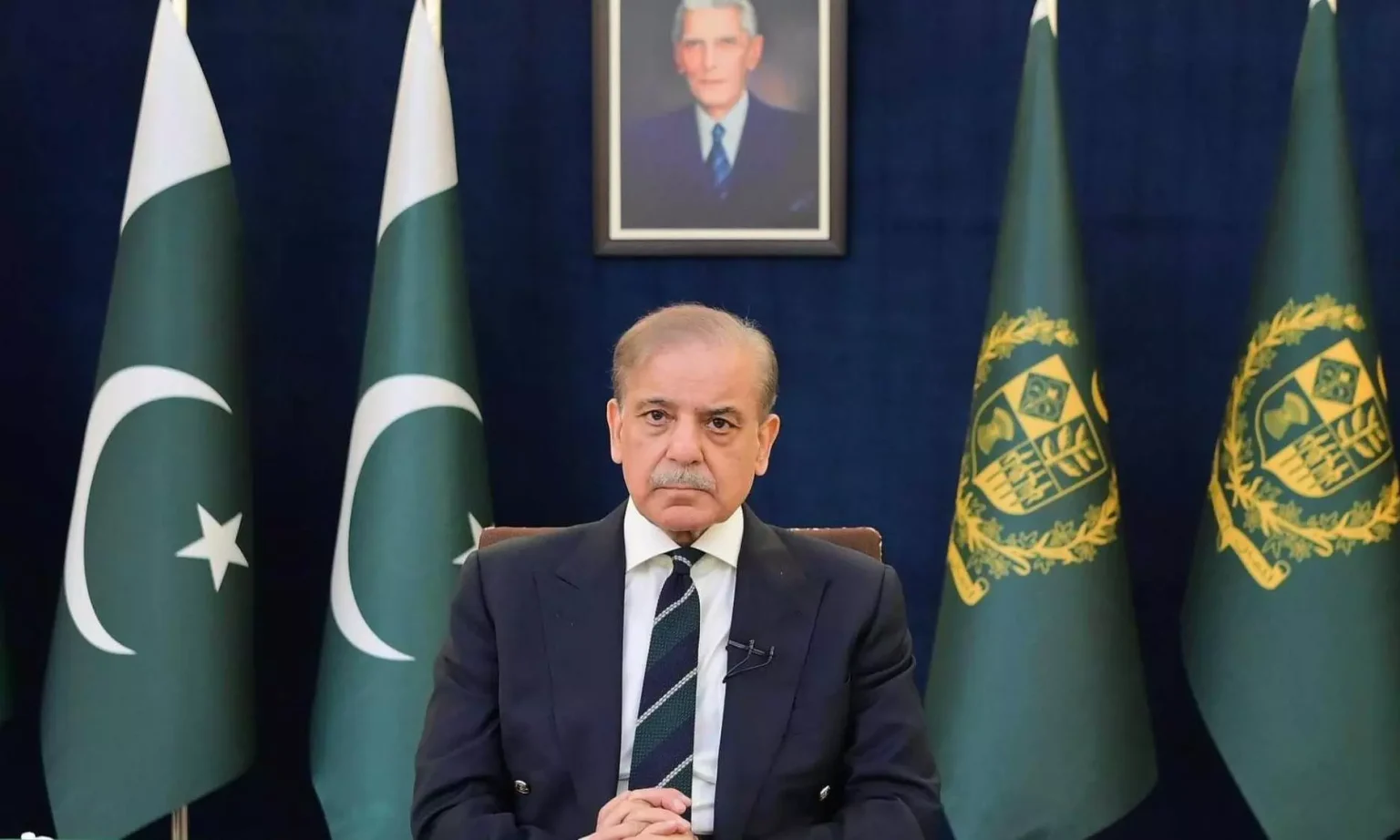
In a separate development, Prime Minister Shehbaz Sharif has ordered an inquiry into a non-functional early warning system in Gilgit-Baltistan. The system was installed to monitor glacial lake outburst floods but has reportedly remained inactive.
The prime minister has directed authorities to fix gaps in preparedness and ensure all systems are fully operational before the upcoming monsoon season. He emphasized that climate change continues to pose serious risks to Pakistan and requires urgent action.
Final Word
With extreme heat and unpredictable weather patterns becoming more frequent, staying informed and prepared is more important than ever. Authorities continue to monitor the situation closely, urging both institutions and citizens to act responsibly and minimize risks.

One thought on “Pakistan Braces for Intense Heatwave Until May 5: NDMA Issues Nationwide Alert”
Comments are closed.