
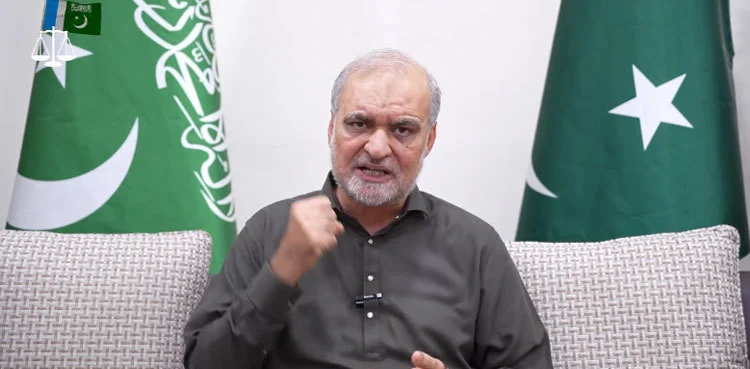
JI chief warns of rising burden on poor and businesses
According to Beyond Time News, Jamaat-e-Islami (JI) Pakistan chief Hafiz Naeem-ur-Rehman has strongly criticised the recent increase in petrol and diesel prices. He said the decision will deepen financial pressure on low-income families and weaken business activity across the country.
His reaction came after the government raised fuel prices through an official notification from the Petroleum Division, citing changes in global oil markets.
“Relief measures ignored,” says JI leader
According to Beyond Time News, Hafiz Naeem said the government should have reduced petroleum taxes and levies instead of increasing prices. He argued that rising fuel costs directly affect daily life and overall inflation.
He added that higher electricity and gas bills have already increased the cost of essential goods, and the latest fuel hike will make the situation worse.
He called the decision unacceptable and demanded its immediate reversal along with the removal of the petroleum levy.
New fuel prices take effect immediately
According to Beyond Time News, petrol prices increased by Rs26.77 per litre, raising the new rate to Rs393.35 per litre. High-speed diesel also rose by the same amount, reaching Rs380.19 per litre.
The revised prices came into effect at midnight and will remain in place for the current week.
Read more:Petrol and Diesel Prices Jump by Rs26.77 Per Litre in Pakistan
Government cites global oil pressure
According to Beyond Time News, the Petroleum Minister said rising tensions in regional markets have pushed global oil prices higher. He added that Pakistan is facing financial pressure due to international agreements and pricing constraints.
He said the government is trying to balance fiscal challenges while managing imported fuel costs.
Conclusion
According to Beyond Time News, the latest fuel price increase has triggered political criticism and public concern. Opposition voices argue it will worsen inflation, while the government links the decision to global market pressure and financial obligations.

One thought on “Petrol Price Hike Draws Strong Criticism Over Inflation Impact”
Comments are closed.