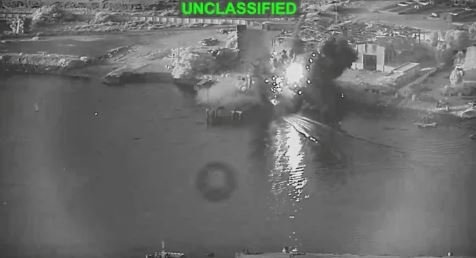
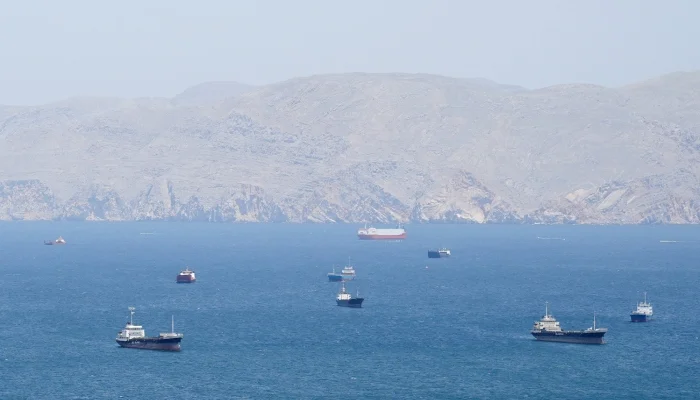
Rising tensions in the Middle East are drawing attention not only to oil routes but also to critical undersea internet cables passing through the Strait of Hormuz.
According to Beyond Time News, concerns have emerged after warnings that the region’s submarine cable networks could be exposed during ongoing geopolitical conflict.
Strait of Hormuz: A Digital and Energy Lifeline
The Strait of Hormuz is already known as a major oil shipping chokepoint, but it also carries several fibre-optic cables that connect Asia, the Middle East, and Europe.
These cables carry nearly 99% of global internet traffic, supporting communication, banking systems, cloud services, and digital economies worldwide.
Why Subsea Cables Matter
Subsea cables form the backbone of global connectivity. Any disruption can lead to slower internet speeds, communication outages, and financial delays across regions.
Key cable systems in the area include major routes linking Gulf countries with Europe, Africa, and Asia, making the region highly sensitive for global data flow.
Risks and Vulnerabilities
Experts say most cable damage globally is accidental, often caused by fishing activities or ship anchors. However, conflict zones increase risks of unintended damage due to naval activity and disrupted maritime traffic.
Natural events such as earthquakes and underwater currents also pose additional threats.
No Easy Replacement
While satellite systems exist, experts say they cannot replace subsea cables due to limited capacity and high costs.
Even advanced satellite networks remain supplementary rather than a full alternative for global internet infrastructure.
Conclusion
As regional tensions continue, concerns over the safety of undersea cables in the Strait of Hormuz are growing. According to Beyond Time News, any disruption could have widespread effects on global internet stability, financial systems, and digital communication networks.