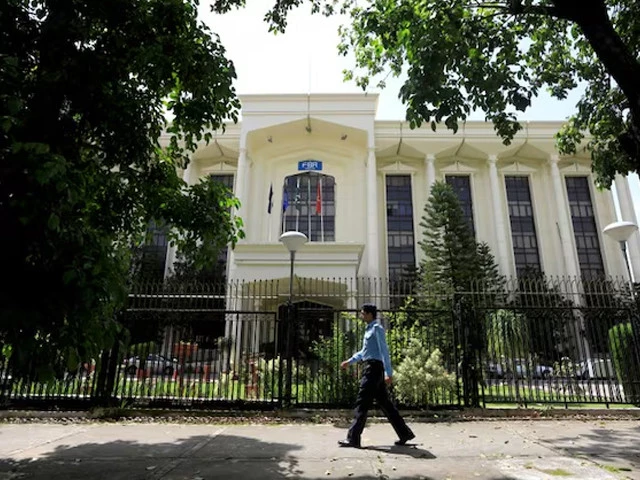
Islamabad: Pakistan’s tax administration is entering a new phase of modernization as the Federal Board of Revenue (FBR) intensifies efforts to build a stronger digital infrastructure and improve revenue collection systems. Senior officials say the ongoing transformation aims to create a more transparent, efficient, and technology-driven tax environment over the next few years.
According to Beyond Time News, FBR Chairman Rashid Mahmood Langrial stated that the government has laid the groundwork for comprehensive tax administration reforms and expects the modernization process to deliver significant results within the next two to three years.
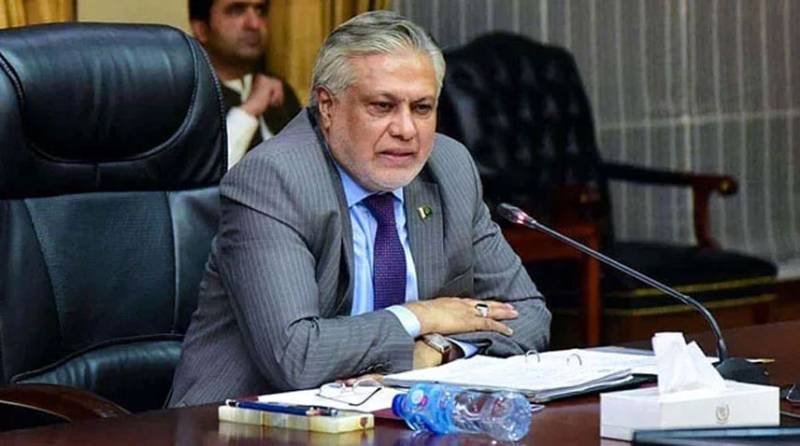
Speaking during a post-budget press conference, Langrial outlined a broad strategy that combines digital innovation, institutional restructuring, and human resource development to strengthen Pakistan’s revenue system.
FBR Focuses on Long-Term Digital Reform
The chairman emphasized that digital transformation remains central to the government’s reform agenda. He explained that although FBR adopted computerized systems earlier than many other public institutions, those systems gradually became outdated and fragmented.
Over time, different platforms operated independently, reducing efficiency and limiting the organization’s ability to manage data effectively. As a result, tax administration faced challenges related to integration, accountability, and service delivery.
Langrial acknowledged the efforts of previous administrations in introducing digital technologies. However, he noted that technological limitations and declining technical capacity created obstacles that affected performance.
Consequently, the government has launched a new strategy designed to modernize tax operations through advanced digital infrastructure and better management systems.
Pakistan Revenue Automation Limited Undergoing Major Overhaul
A key component of the reform process involves restructuring Pakistan Revenue Automation Limited (PRAL), the organization responsible for supporting FBR’s technology infrastructure.
According to Langrial, Prime Minister Shehbaz Sharif directed authorities to transform PRAL into a modern and highly efficient institution capable of supporting future tax reforms.
To achieve this objective, officials appointed a professional board consisting of experienced experts from various sectors. The organization has also recruited senior executives and technical specialists from the private sector.
These professionals bring extensive experience from leading companies and possess expertise in digital systems, technology management, and organizational transformation.
Furthermore, the Ministry of Finance has provided substantial financial resources to help PRAL attract top talent and strengthen its technical capabilities.
Investment in Technology and Skilled Professionals
Langrial stressed that successful digital reform requires more than software and technology. He argued that organizations must also invest heavily in skilled personnel who can operate and manage advanced systems.
Therefore, PRAL continues to recruit qualified professionals while securing long-term partnerships with leading technology firms whenever specialized expertise becomes necessary.
The chairman explained that combining advanced technology with capable human resources will create a stronger foundation for sustainable reforms.
“We are not only investing in digital platforms but also in the people who will manage and improve them,” he indicated during the briefing.
This dual approach aims to ensure that technological upgrades deliver measurable improvements in tax administration and public service delivery.
Pakistan Single Window Sets a Benchmark
During his remarks, Langrial highlighted the success of the Pakistan Single Window (PSW), which has emerged as one of the country’s most successful digital governance initiatives.
Several customs-related functions have already moved from PRAL to PSW. The chairman described PSW as a world-class organization that has significantly improved trade facilitation and customs procedures.
He credited the architects of the project for creating a platform that now serves as a model for other government institutions seeking digital transformation.
The success of PSW demonstrates how technology can simplify administrative processes, reduce delays, and improve transparency across public sector operations.
Read more:FBR Collects Rs966 Billion in May 2026 but Falls Short of Revenue Target
Specialized Training for Customs and Tax Officers
Alongside technological modernization, FBR has launched extensive training programs for officers and staff.
Langrial revealed that officers from Pakistan Customs and the Inland Revenue Service are participating in specialized courses at the Lahore University of Management Sciences (LUMS).
Unlike conventional government training programs, these courses focus on modern management practices, digital governance, data analysis, and contemporary tax administration techniques.
In addition, FBR has developed structured learning programs for serving officers at different career stages.
So far, 131 officials have completed an intensive 21-day certification course designed to enhance professional skills and improve institutional performance.
The chairman described human capital development as a critical pillar of the reform strategy.
New Data Hub to Drive Future Tax Administration
Another major initiative involves the creation of a centralized data hub that will support future revenue reforms.
According to Langrial, a dedicated team is currently developing the platform, which will serve as the backbone of FBR’s digital ecosystem.
The system aims to integrate information from multiple sources, improve data accuracy, and strengthen decision-making capabilities.
More importantly, the centralized structure will help officials monitor transactions, track administrative processes, and identify compliance issues more effectively.
Experts believe integrated data systems can significantly improve tax collection by reducing inefficiencies and enhancing transparency.
Why Previous Reforms Faced Challenges
The chairman also reflected on earlier reform attempts and explained why some initiatives failed to achieve their intended outcomes.
Many previous efforts sought to separate operational functions within FBR. However, the organization continued to rely heavily on manual processes.
Without digital tracking systems, officials often struggled to monitor file movements and establish accountability.
As a result, administrative bottlenecks persisted and reform efforts delivered limited benefits.
The new digital framework aims to address those weaknesses by creating electronic records and transparent workflows that make it easier to monitor performance and assign responsibility.
Budget 2026-27 Supports Revenue Modernization
The government’s broader fiscal strategy also supports FBR’s transformation agenda.
The Federal Budget 2026-27 introduced several measures aimed at improving compliance, encouraging digital integration, and expanding the tax base.
Officials believe stronger revenue administration will help increase tax collection while reducing the burden on compliant taxpayers.
Moreover, improved digital systems could enhance taxpayer services and simplify interactions between citizens and government institutions.
Building a Modern Revenue Authority
As Pakistan continues its economic reform efforts, the modernization of FBR remains a central objective.
Officials view digital transformation as essential for improving transparency, reducing inefficiencies, and increasing public trust in tax administration.
Although the process will take time, the government believes current investments in technology, data systems, and professional training will create lasting improvements.
According to Beyond Time News, FBR leadership expects the ongoing reforms to gradually transform Pakistan’s revenue machinery into a modern institution capable of supporting long-term economic growth and fiscal stability.
FAQs
What did FBR Chairman Rashid Mahmood Langrial say about tax reforms?
He said the government has established a strong digital foundation and expects the transformation of tax administration to take two to three years.
What is the role of PRAL in FBR reforms?
Pakistan Revenue Automation Limited (PRAL) manages technology infrastructure and is undergoing restructuring to support modern tax administration.
Why is FBR investing in training programs?
The organization aims to improve technical skills, strengthen institutional capacity, and ensure staff can effectively manage modern digital systems.
What is the Pakistan Single Window (PSW)?
PSW is a digital platform that streamlines trade and customs procedures. Officials consider it one of Pakistan’s most successful digital governance initiatives.
How will the new data hub improve tax administration?
The centralized data hub will integrate information, improve transparency, enhance accountability, and support more effective revenue collection.
SEO Hashtags
#FBR #TaxReforms #PakistanEconomy #DigitalTransformation #FederalBudget2026 #PRAL #PakistanSingleWindow #TaxAdministration #DigitalPakistan #EconomicReforms #RevenueCollection #IslamabadNews