Islamabad: Special Assistant to the Prime Minister on Industries and Production Haroon Akhtar Khan has reaffirmed the government’s commitment to strengthening Pakistan’s small and medium enterprises (SMEs), describing the sector as the foundation of sustainable economic growth, exports and job creation.
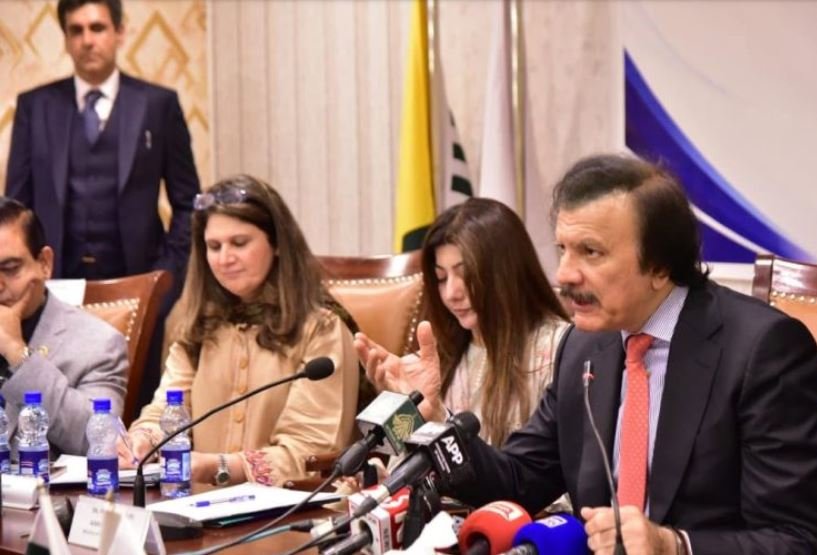
Speaking at the World MSME Day 2026 ceremony in Islamabad, Haroon Akhtar said countries that invest in entrepreneurs, innovation and small businesses build stronger and more resilient economies. According to Beyond Time News, he stressed that Pakistan’s long-term prosperity depends on creating an environment where SMEs can expand, compete internationally and contribute more effectively to national development.
The event was jointly organized by the Islamabad Chamber of Small Traders and Small Industries (ICSTSI) and the Small and Medium Enterprises Development Authority (SMEDA). It brought together government officials, business leaders, entrepreneurs and representatives from chambers of commerce across Pakistan.
Government Focuses on SME-Led Economic Growth
Haroon Akhtar said the government is pursuing an export-driven growth strategy centered on supporting SMEs through financial assistance, regulatory reforms and improved business opportunities.
He shared that SME financing reached Rs584 billion by March 31, with more than half of eligible businesses receiving increased financial support. According to him, easier access to capital has enabled companies to expand operations, invest in production and create new employment opportunities.
The government has also introduced Rs30 billion worth of initiatives designed to strengthen the SME sector.
He said Prime Minister Shehbaz Sharif has directed authorities to improve access to financing, simplify taxation, facilitate land availability and make it easier for businesses to operate while addressing issues related to the State Bank of Pakistan.
Entrepreneurs Drive National Prosperity
Haroon Akhtar praised entrepreneurs for their contribution to economic progress, saying successful businesses create employment, encourage innovation and improve living standards.
He also highlighted the growing role of women entrepreneurs, calling for greater opportunities and stronger institutional support to help them expand their businesses.
According to Haroon Akhtar, entrepreneurial talent exists across all provinces, and policies should ensure that innovators and startups receive equal opportunities regardless of their location.
South Korea’s Exports Surge 60% in Early June as Global Chip Demand Drives Record Growth
SMEs Make a Major Contribution to Pakistan’s Economy
The government official noted that Pakistan is home to nearly seven million SMEs, making the sector one of the country’s largest economic contributors.
He said SMEs account for approximately:
- 40 percent of Pakistan’s Gross Domestic Product (GDP)
- Around 30 percent of national exports
- Nearly 80 percent of employment outside the agricultural sector
These figures underline the importance of strengthening small businesses to increase productivity, generate exports and create sustainable employment.
Expanding Access to Global Markets
Haroon Akhtar said SMEDA is working to improve the competitiveness of Pakistani businesses by increasing access to finance, encouraging business registration and helping companies adopt modern business practices.
He emphasized that formalizing businesses allows entrepreneurs to secure bank loans and benefit from government support programmes more easily.
According to Beyond Time News, Pakistan is also expanding digital trade opportunities. Haroon Akhtar said the government has signed a Memorandum of Understanding (MoU) with Alibaba to help local businesses reach international customers through e-commerce platforms.
He added that SMEs are being encouraged to participate in regional and international trade exhibitions while efforts continue to simplify visa procedures for exporters.
The government has also expanded outreach programmes in Gilgit-Baltistan, Balochistan and Khyber Pakhtunkhwa to connect businesses in emerging industrial regions with national and international markets.
Unlocking Pakistan’s Export Potential
Haroon Akhtar said Pakistan possesses several industries with strong export potential that deserve greater institutional support.
He pointed to handmade products, furniture, honey, sports goods produced in Sialkot, and other traditional industries as sectors capable of generating higher export earnings if businesses receive improved financing, training and market access.
He added that the government intends to improve liquidity, simplify regulations, facilitate taxation and ensure better land availability to create a more business-friendly environment.
Business Community Calls for Further Reforms
Addressing the ceremony, ICSTSI President Awais Satti described SMEs as the backbone of Pakistan’s economy.
He urged policymakers to reduce the cost of doing business by ensuring affordable energy, simplifying documentation procedures and addressing regulatory challenges involving labour laws, the Capital Development Authority (CDA) and access to finance.
Satti also called for maintaining interest rates at single-digit levels to encourage business expansion and investment.
He praised SMEDA for its continued support of entrepreneurs and noted that the Islamabad Chamber became Pakistan’s first dedicated SME chamber. Similar institutions have since been established in nearly 20 cities, reflecting the sector’s growing importance nationwide.
Why SME Development Matters
Small and medium enterprises play a critical role in economic diversification because they generate employment, encourage innovation and strengthen local industries.
Economists widely view SMEs as engines of inclusive growth because they support regional development, promote exports and create opportunities for young entrepreneurs.
As Pakistan seeks to increase exports and attract investment, stronger SMEs can help reduce economic dependence on a limited number of industries while improving resilience against global economic challenges.
Conclusion
The government’s renewed focus on SMEs reflects a broader strategy to accelerate export-led growth, create employment and improve Pakistan’s economic competitiveness. Continued investment in financing, digital commerce, regulatory reforms and entrepreneurial development could help small businesses expand their contribution to national exports and long-term economic stability.
Frequently Asked Questions
Why are SMEs important to Pakistan’s economy?
SMEs contribute around 40 percent of Pakistan’s GDP, employ nearly 80 percent of the non-agricultural workforce and account for about 30 percent of national exports.
What support is the government providing to SMEs?
The government has introduced Rs30 billion in SME initiatives, expanded financing, promoted tax reforms and is improving access to land and business facilities.
How much SME financing has been provided?
According to Haroon Akhtar, SME financing reached Rs584 billion by March 31, helping businesses expand and create jobs.
How will the Alibaba partnership benefit Pakistani businesses?
The agreement aims to help Pakistani SMEs access international markets through e-commerce and increase online exports.
What reforms are business leaders requesting?
Business representatives have called for lower business costs, affordable energy, simplified regulations, easier access to finance and single-digit interest rates.
Hashtags
#PakistanEconomy #SMEs #ExportGrowth #HaroonAkhtar #BusinessNews #Entrepreneurship #SMEDA #PakistanExports #EconomicDevelopment #MSMEDay