New York: A major disruption in global energy supply chains is creating unexpected ripple effects across continents. A shortage of cooking gas in India and soaring fuel prices in California are now being linked to a broader international energy crisis that continues to tighten oil and fuel markets worldwide.
Rising tensions in global trade routes and reduced fuel availability have pushed both developing and developed economies into difficult energy decisions. As a result, supply chains for cooking gas, gasoline, and fuel additives are under severe pressure.
Global Energy Crisis Spreads Across Continents
The ongoing disruption in global oil transportation routes has severely impacted international fuel flows. One of the most affected areas is the Strait of Hormuz, a critical passage for global oil shipments. Reduced movement through this route has limited access to nearly one-fifth of the world’s oil supply.
As countries adjust to shortages, the impact is now visible in both Asia and North America. India faces shortages in liquefied petroleum gas (LPG), while California continues to experience some of the highest gasoline prices in the United States.
Although the two situations appear unrelated, experts now say they are closely connected through global fuel supply chains.
India’s LPG Shortage Creates Production Shifts
India, which relies heavily on LPG for household cooking, has been struggling with reduced imports. Before the current crisis, more than 90% of its LPG supply came from Middle Eastern countries.
With imports under pressure, Indian refiners have been instructed to increase domestic LPG production. While this helps meet household demand, it has created an unexpected side effect in the fuel industry.
To prioritize cooking gas production, refineries have reduced output of alkylates—important components used in cleaner gasoline production. This shift has led to a decline in exports of these additives.
As a result, global markets that depend on these materials, including California, are now feeling the impact.
California Gas Prices Reach Multi-Year Highs
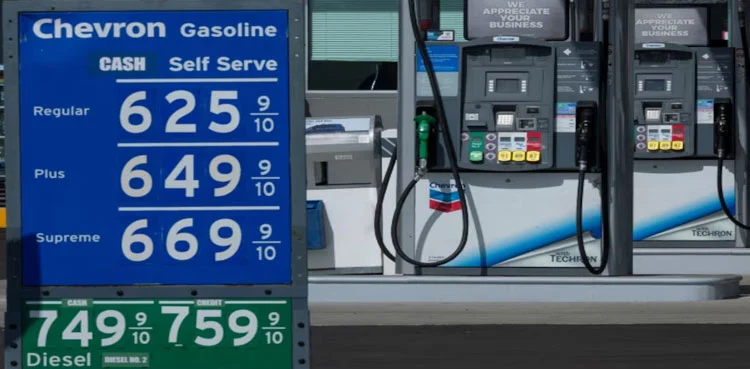
California drivers are currently paying some of the highest fuel prices in the United States, with average gasoline prices exceeding $6 per gallon in recent weeks.
Fuel analysts say the situation is being driven by multiple factors, including low stockpiles, seasonal demand, strict environmental regulations, and reduced supply of refining components.
The shortage of alkylates from Asian refiners, particularly India, has added further pressure on the market. These additives are essential for producing cleaner-burning gasoline required under California’s environmental standards.
With supply tightening, experts warn that prices may rise even further in the coming weeks if conditions do not improve.
Read more:Indian Army Trains Village Defence Groups in IIOJK
Why Alkylates Matter in Fuel Production
Alkylates play a key role in producing high-quality gasoline. They help reduce emissions and improve engine performance. California relies heavily on these compounds due to its strict fuel regulations aimed at controlling air pollution.
However, as Indian refiners reduce alkylate production to prioritize cooking gas, global availability has dropped sharply. Industry data shows exports have nearly halved in recent months, creating a shortage in international markets.
This imbalance has placed additional strain on already tight fuel supplies in the United States.
Ripple Effect Across the Global Economy
The energy crisis is not limited to India and the United States. Analysts say it is part of a wider global imbalance triggered by supply disruptions and shifting production priorities.
Countries are now forced to make difficult choices between domestic energy security and export commitments. In India’s case, cooking fuel demand has taken priority, while in California, environmental fuel standards limit flexibility in refining options.
These overlapping pressures are contributing to a synchronized rise in global fuel costs.
Economic Pressure on Consumers and Businesses
The impact of rising fuel prices is being felt by households and businesses alike.
In India, long queues for LPG cylinders have become common in several regions, with some consumers turning to alternative or informal sources for cooking fuel. Small businesses, especially food vendors and restaurants, are also under pressure due to rising energy costs.
In California, motorists are facing higher daily transportation costs, while logistics companies and delivery services are dealing with increased operating expenses.
Economists warn that prolonged energy instability could contribute to inflation in both regions.
Limited Policy Options for Governments
Governments on both sides of the crisis are facing limited options to control prices.
In the United States, discussions have included possible temporary tax relief or adjustments in fuel blending requirements. However, experts warn that such measures may only offer short-term relief and could further strain supply chains.
California officials continue to monitor the situation but maintain that fuel supply remains stable for now, despite high prices.
In India, authorities are focusing on stabilizing LPG availability for households, leaving little room to adjust refinery output without affecting domestic supply.
Outlook for Global Fuel Markets
Energy analysts expect continued volatility in global fuel markets as long as supply disruptions persist. Seasonal demand in the United States and ongoing import challenges in Asia are likely to keep prices elevated.
Much will depend on how quickly global shipping routes stabilize and whether refinery output can rebalance between cooking fuel and transport fuel production.
Until then, both India and California are expected to remain key examples of how interconnected the global energy system has become.
Conclusion
What appears to be two separate crises—India’s cooking gas shortage and California’s rising fuel prices—are in fact closely linked through global supply chains.
As countries adjust their energy priorities, the effects are being felt thousands of miles away. The situation highlights how deeply interconnected global fuel markets have become, where a disruption in one region can quickly reshape prices and availability in another.
FAQs
Why is India facing a cooking gas shortage?
India is facing reduced LPG imports due to global supply disruptions, forcing refiners to prioritize domestic production.
How is India connected to California fuel prices?
Reduced alkylate exports from India have tightened global gasoline supply, impacting California’s fuel market.
Why are California fuel prices so high?
Prices are driven by low supply, strict environmental fuel standards, seasonal demand, and global shortages.
What are alkylates used for?
They are used in producing cleaner-burning gasoline that meets environmental regulations.
Will fuel prices go down soon?
Analysts say prices will remain volatile until global supply chains stabilize.
Hashtags
#GlobalEnergyCrisis #FuelPrices #IndiaLPG #CaliforniaGasPrices #OilMarket #EnergySupply #GasolinePrices #WorldEconomy