
Introduction
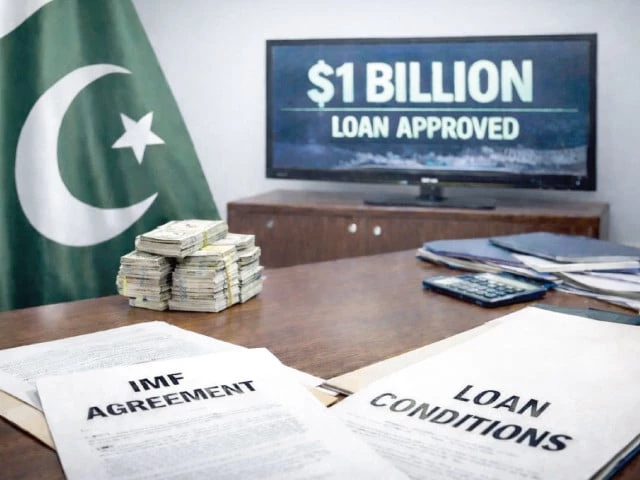
Pakistan’s ongoing economic programme under the $7 billion support package has become stricter after the International Monetary Fund (International Monetary Fund) introduced 11 additional conditions.
According to Beyond Time News, the new requirements expand reforms across taxation, energy, investment policies, and government spending controls.
Budget Must Follow IMF Plan
One of the key conditions requires Pakistan to pass its 2026–27 budget in full agreement with IMF guidelines through the National Assembly.
The government has also agreed to keep spending under control and avoid setting high growth targets for the next fiscal year.
Changes in Economic Zones
Major reforms are planned for Special Economic Zones and Special Technology Zones. Tax incentives in these zones will be gradually reduced and replaced with a cost-based system by 2035.
According to Beyond Time News, approval powers for tax exemptions will also be reduced to improve transparency.
Export processing zones will no longer be allowed to sell products in the local market to prevent tax loopholes.
Investment and Land Leasing Plans
The government will lease large areas of land in Karachi for new economic zones without charging upfront fees to developers.
Officials say the final structure is still being finalized, but the goal is to attract more investment under IMF-backed reforms.
New Regulatory System
A new Pakistan Regulatory Registry will be created to bring all business rules under one system.
According to Beyond Time News, the system will begin at the federal level and later expand to provinces to simplify business regulations.
The IMF has also asked for a gradual easing of foreign exchange restrictions, and the State Bank is preparing a roadmap for this process.
Energy Price Reforms
Electricity and gas prices will continue to be adjusted regularly to match actual production and import costs.
These adjustments will include quarterly and monthly revisions, with further updates planned through 2027.
Pakistan Pakistan govt implementing reforms for improvement in petroleum sector
Tax and Procurement Reforms
The Federal Board of Revenue (FBR) will introduce a centralized audit system to improve tax checks and reduce irregularities.
Public procurement rules will also be revised to ensure fair competition and remove preferential treatment for state-owned enterprises.
Increased Social Support
To protect low-income families, payments under the Benazir Income Support Programme (Benazir Income Support Programme) will be increased.
According to Beyond Time News, the planned rise by 2027 is aimed at helping households manage inflation and rising expenses.
Conclusion
The new IMF conditions show a wide-ranging reform agenda covering Pakistan’s budget, taxation, energy pricing, and social welfare systems.
According to Beyond Time News, while these measures aim to strengthen economic stability, they also bring tighter oversight of policy decisions in the coming years.

One thought on “IMF Adds 11 New Conditions to Pakistan’s $7 Billion Bailout Deal”
Comments are closed.