
- Fresh Strikes Deepen Middle East Security Crisis
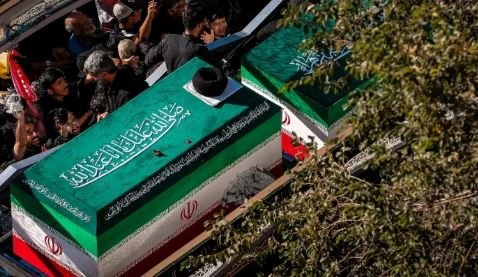
Dubai: Regional tensions escalated once again after Iran launched attacks targeting US military facilities in several Gulf countries, hours after American forces carried out strikes inside Iran. The renewed military exchange unfolded on the same day Iran held the burial ceremony of Supreme Leader Ayatollah Ali Khamenei in Mashhad, adding another dramatic chapter to the ongoing Middle East crisis.
According to Beyond Time News, the latest developments have intensified concerns over regional stability, maritime security in the Strait of Hormuz, and the future of diplomatic efforts aimed at preventing a wider conflict.
Iran Responds to US Military Strikes
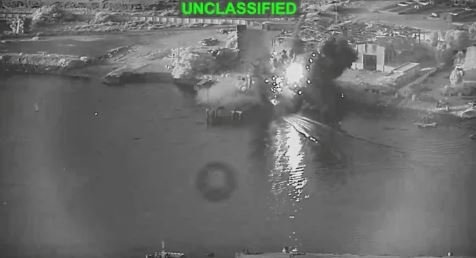
Iranian authorities said their armed forces carried out coordinated attacks against US military infrastructure in Kuwait, Qatar, Bahrain, and other regional locations following recent American airstrikes on Iranian territory.
Iran’s military stated that the operations targeted air defense systems, military facilities, and logistical infrastructure linked to US forces stationed across the Gulf.
Several Gulf countries reported activating air defense systems after missiles and drones entered their airspace. Officials confirmed interceptions in some areas, while isolated damage and injuries were also reported.
The US military did not immediately comment on reports of additional explosions inside southern Iran later in the day.
Funeral of Ayatollah Ali Khamenei Draws Massive Crowds
The renewed violence coincided with the burial of Iran’s Supreme Leader Ayatollah Ali Khamenei in the holy city of Mashhad.
Large crowds gathered for funeral prayers and the final burial ceremony after days of nationwide mourning processions. Supporters carried banners expressing solidarity with Iran’s leadership while condemning recent US military actions.
According to Beyond Time News, the funeral marked the conclusion of a week-long period of national mourning following Khamenei’s death during earlier US military operations.
Strait of Hormuz Remains at the Center of the Crisis
Iran’s Revolutionary Guards said American military intervention was disrupting efforts to restore normal shipping through the Strait of Hormuz, one of the world’s most important maritime trade routes.
Iranian officials claimed commercial traffic through the waterway has only partially recovered since hostilities began, with authorities continuing to regulate vessel movements through designated routes.
The Strait of Hormuz serves as a critical gateway for global energy exports, carrying a substantial share of the world’s crude oil and liquefied natural gas shipments. Any disruption to navigation in the area can quickly affect international energy markets.
Oil Markets Closely Watch Regional Developments
Energy traders closely monitored the renewed confrontation as concerns over shipping safety returned.
Oil prices initially moved higher after reports of military action near the Gulf. However, markets later stabilized as investors assessed whether the latest exchange would remain limited or develop into a broader regional conflict.
Analysts say uncertainty surrounding maritime security continues to influence energy prices because prolonged disruptions could reduce global oil supplies and increase transportation costs.
Islamabad Likely to Host US-Iran Technical Talks on July 14–15 as Diplomacy Gains Momentum
Reports of Casualties and Damage
Iranian officials reported casualties following recent US airstrikes, saying multiple people were killed and dozens more injured across several provinces.
State media also reported damage to transportation infrastructure and areas surrounding strategic facilities, including locations near Bushehr, home to Iran’s only operational nuclear power plant.
Authorities said emergency services were responding to affected areas while investigations into the extent of the damage continued.
Gulf States Call for Restraint
The latest military escalation prompted renewed diplomatic appeals from several regional governments.
Qatar, which hosts one of the largest US military installations in the Middle East, condemned attacks affecting commercial shipping while urging all parties to return to dialogue.
Turkey and Oman also emphasized the importance of diplomacy during discussions with Iranian officials, encouraging measures that could prevent further military confrontation.
Pakistan maintained diplomatic engagement with regional stakeholders as concerns over broader instability continued to grow.
US Signals Military Resolve While Downplaying Wider War
According to Beyond Time News, US Central Command said recent operations targeted Iranian military infrastructure, including missile facilities, air defense assets, and surveillance systems.
President Donald Trump defended the strikes as a response to attacks on commercial shipping but stated that he did not expect the latest exchange to develop into a prolonged full-scale war.
He expressed hope that any additional military action would remain limited, although he also warned of stronger responses if attacks against US interests continued.
Why the Situation Matters
The renewed confrontation has implications far beyond Iran and the United States.
The Gulf region is central to global energy supplies, international shipping, and regional security. Any sustained conflict could disrupt trade routes, affect fuel prices worldwide, and increase security risks across the Middle East.
Diplomatic efforts involving Gulf states and other regional partners may become increasingly important as governments seek to prevent further escalation.
Possible Implications
Military analysts believe the coming days will be critical in determining whether both sides return to indirect negotiations or continue retaliatory operations.
A prolonged cycle of strikes could increase pressure on international shipping, financial markets, and regional economies. It may also encourage greater diplomatic involvement by countries seeking to reduce tensions before they expand into a broader regional conflict.
Conclusion
Iran’s burial of Ayatollah Ali Khamenei took place against the backdrop of renewed military confrontation with the United States, highlighting the fragile security environment across the Middle East. As both sides exchange warnings and military actions continue, regional governments and global markets remain focused on whether diplomacy can prevent another major escalation.
Frequently Asked Questions
Why did Iran launch attacks on US military sites?
Iran said the attacks were carried out in response to recent US airstrikes targeting locations inside Iranian territory.
Why is the Strait of Hormuz important?
The Strait of Hormuz is one of the world’s busiest energy shipping routes, transporting a significant share of global oil and natural gas exports.
Where was Ayatollah Ali Khamenei buried?
According to Iranian authorities, Ayatollah Ali Khamenei was buried in Mashhad after nationwide funeral ceremonies.
How have oil markets reacted to the latest conflict?
Oil prices initially rose due to concerns over shipping disruptions before easing as investors assessed the likelihood of a wider conflict.
Are diplomatic efforts still continuing?
Yes. Several regional countries, including Qatar, Turkey, Oman, and Pakistan, have called for restraint and emphasized the importance of diplomatic dialogue.
Hashtags
#Iran
#MiddleEast
#USIran
#GulfTensions
#StraitOfHormuz
#OilMarkets
#RegionalSecurity
#BreakingNews
#WorldNews
#BeyondTimeNews
One thought on “Iran Buries Ayatollah Khamenei as Gulf Tensions Rise Following New US-Iran Military Exchange”
Comments are closed.