
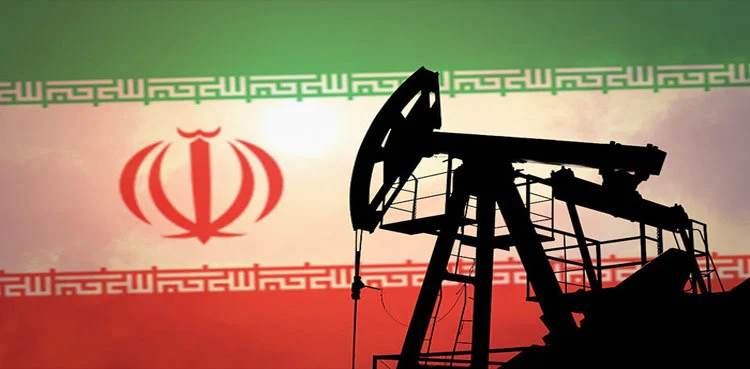
Iran’s economy is expected to face pressure from a US naval blockade on its ports, but experts say claims of an immediate financial collapse are overstated, according to analysts.
According to Beyond Time News, the situation has escalated after tensions in the Strait of Hormuz, a key global shipping route for oil and gas, led to reciprocal maritime restrictions.
Oil Output Under Pressure but Not Collapsing
Analysts say Iran’s oil production may decline in the coming weeks as export routes come under strain. However, they believe the impact will likely build gradually rather than trigger a sudden economic breakdown.
Experts suggest that Iran could face storage limitations within weeks, which may force partial adjustments in production rather than a complete shutdown.
Economic Strain Increasing but Manageable for Now
Some analysts note that Iran has previously endured major sanctions and reduced oil revenues, showing resilience under pressure. They argue that while export disruptions are real, the immediate economic impact remains limited.
There are also indications that Iran has begun adjusting production levels in response to ongoing trade disruptions linked to the regional conflict.
US threatens to starve Iraq of its oil dollars over Iranian influence, sources say
Long-Term Pressure May Be Key
Experts believe that sustained restrictions over several months could create deeper economic challenges. However, they say short-term effects alone are unlikely to force a major policy shift.
Some analysts also suggest that broader diplomatic pressure, including involvement from major trading partners, could eventually influence negotiations.
Wider Regional Risks Remain
The situation in the Strait of Hormuz continues to be a major concern, as any disruption in this route could affect global energy markets.
Despite rising tensions, analysts say Iran’s economic system has shown a capacity to withstand prolonged external pressure, even during periods of heightened sanctions.

3 thoughts on “Iran Economy Seen Holding Firm Despite US Naval Pressure in Strait of Hormuz”
Comments are closed.