

Introduction
Tensions between Iran, the United States, and Israel continue to escalate, with diplomacy stalled and military activity intensifying across the region. Amid this fragile situation, Iran has stated that the next move now lies with Washington — whether to pursue peace talks or continue confrontation.
Iran Shifts Responsibility to the US
According to Beyond Time News, Iranian officials have said that the United States must now decide between diplomacy and renewed conflict.
Iran’s Deputy Foreign Minister Kazem Gharibabadi stated that Tehran is prepared for both outcomes. In other words, Iran is signaling readiness either for negotiations or for continued resistance if talks collapse.
He emphasized that the “ball is in the United States’ court,” stressing that Washington must choose the direction of the crisis.
Stalled Peace Talks and Nuclear Dispute
Diplomatic efforts between Iran and the US remain uncertain. Although Iran has submitted a proposal aimed at easing tensions, it has not been accepted by the US administration.
The proposal reportedly includes reopening shipping routes in the Strait of Hormuz and lifting blockades, while postponing nuclear negotiations to a later stage.
However, US President Donald Trump has rejected the latest offer, insisting that Iran must make stronger commitments regarding its nuclear program.
Strait of Hormuz Remains a Major Flashpoint
The Strait of Hormuz continues to be one of the most sensitive points in the conflict. Because nearly one-fifth of global oil passes through it, any disruption has serious global consequences.
Iran has proposed reopening the waterway under certain conditions, while the United States has maintained pressure through naval enforcement and restrictions.
Trump’s Controversial Remarks on Naval Actions
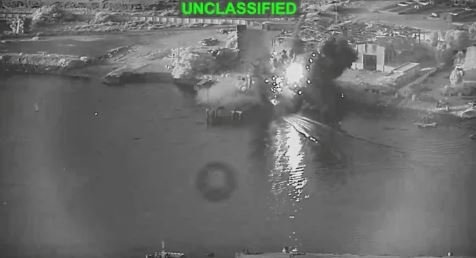
In a recent public statement, Donald Trump compared US naval operations to “pirates” while describing the seizure of ships and cargo linked to Iran.
He claimed that US forces had taken control of vessels and their oil cargo, describing it as part of a “profitable” operation. His remarks have drawn criticism and added further tension to the already strained situation.
Read more:Trump Rejects Iran Proposal to Reopen Strait Before Nuclear Talks
Regional Diplomacy Efforts Continue
Despite rising tensions, Iran continues diplomatic outreach to regional partners.
- Iranian Foreign Minister Abbas Araghchi discussed negotiations with Qatar’s leadership
- South Korea also engaged in talks regarding regional stability
- Qatar expressed support for peaceful mediation efforts
Meanwhile, these discussions highlight ongoing attempts to prevent further escalation.
Violence Continues in Lebanon
At the same time, fighting has intensified in southern Lebanon. According to reports, Israeli strikes have killed more than a dozen people in recent attacks, including civilians.
The Lebanese Health Ministry confirmed multiple casualties and widespread damage in affected areas. Additionally, residential and public buildings were hit during the strikes, worsening the humanitarian situation.
Rising Risk of Wider Conflict
Although a ceasefire exists in parts of the region, the situation remains highly unstable. As a result, analysts warn that continued strikes, naval tensions, and stalled diplomacy could push the region closer to a prolonged conflict.
Final Thoughts
The Iran–US standoff has now reached a critical point. On one hand, diplomatic channels remain open but fragile. On the other hand, military actions and political mistrust continue to deepen the crisis.
Ultimately, the coming decisions by Washington and Tehran will determine whether the region moves toward peace or further escalation.
One thought on “Iran Says “Ball in US Court” as War or Diplomacy Decision”
Comments are closed.