TEHRAN: Iran has identified the release of billions of dollars in frozen assets as a critical factor in advancing negotiations with the United States aimed at reaching a lasting settlement to the ongoing conflict between the two countries.
According to Beyond Time News, senior Iranian officials believe the unfreezing of Iranian funds could play a decisive role in rebuilding trust and moving diplomatic efforts forward after months of military tensions and stalled negotiations.
Frozen Funds Emerge as Key Sticking Point
Mohsen Rezaei, a senior adviser to Iran’s supreme leader and former commander of the Islamic Revolutionary Guard Corps (IRGC), said the issue of frozen Iranian assets has become one of the main obstacles preventing meaningful progress in talks with Washington.
Speaking in an interview broadcast by CNN, Rezaei stated that access to approximately $24 billion in Iranian funds would serve as a test of the United States’ willingness to build confidence and pursue a genuine agreement.
He emphasized that the assets belong to Iran and should be returned without conditions, describing the matter as a fundamental issue of trust between the two countries.
Decades of Sanctions and Asset Restrictions
Iran has faced extensive economic sanctions and financial restrictions from the United States and several Western nations since the 1979 Islamic Revolution. These measures have resulted in the freezing of significant Iranian assets held abroad.
While no official figure has been confirmed, international reports have estimated the total value of frozen Iranian funds at between $100 billion and $123 billion. Tehran has repeatedly demanded access to these resources, arguing that they are essential for economic recovery and national development.
Peace Negotiations Face Continued Challenges
Iranian officials have linked the release of frozen assets to broader efforts aimed at ending hostilities and securing a comprehensive peace agreement.
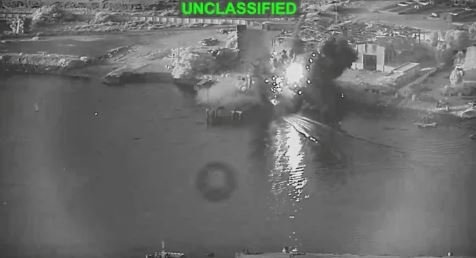
The conflict intensified on February 28 after military strikes triggered a cycle of retaliatory attacks across the region. Although a ceasefire came into effect on April 8, diplomatic negotiations have yet to produce a permanent settlement.
Analysts say both sides continue to face significant disagreements over security guarantees, regional stability, sanctions relief, and financial issues.
Tehran Calls for Wider De-Escalation
In addition to the release of frozen funds, Iran has called for an end to military confrontations across multiple fronts in the region. Iranian leaders argue that broader de-escalation measures are necessary to create conditions for a sustainable peace agreement.
Regional tensions remain elevated despite ongoing diplomatic contacts. Nevertheless, officials from both sides have continued discussions in an effort to prevent a return to large-scale conflict.
Iran Warns Against Renewed Military Action
Rezaei also cautioned that any resumption of hostilities could expand the scope of the conflict beyond the Gulf region. However, he expressed confidence that the likelihood of a new war remains low, suggesting that diplomacy still offers the best path forward.
His remarks reflect Tehran’s position that negotiations should focus on confidence-building measures and practical steps that can help reduce tensions while addressing long-standing disputes.
Economic Impact of Frozen Assets
Economic experts note that access to frozen funds could provide a significant boost to Iran’s economy by supporting infrastructure projects, strengthening foreign exchange reserves, and improving financial stability.
The issue has therefore become a central component of Tehran’s negotiating strategy as leaders seek both economic relief and political assurances through ongoing talks with Washington.
Looking Ahead
As negotiations continue, the future of the frozen assets issue may determine whether diplomatic efforts gain momentum or remain deadlocked. With both sides seeking concessions from one another, the coming weeks could prove crucial for the prospects of a broader agreement.
For now, Iran maintains that the release of its frozen funds is not only an economic matter but also a key test of trust that could shape the next phase of relations between Tehran and Washington.
FAQs
Why is Iran demanding the release of frozen assets?
Iran says the funds belong to the country and their release would demonstrate goodwill and help build trust during negotiations with the United States.
How much Iranian money is reportedly frozen abroad?
Media estimates place the total amount of frozen Iranian assets between $100 billion and $123 billion, although no official figure has been confirmed.
What role do the frozen funds play in US-Iran talks?
Iran considers the release of the funds a major confidence-building measure and a key condition for advancing negotiations.
Is there currently a ceasefire between Iran and the United States?
Yes. A ceasefire took effect on April 8, but both sides have yet to reach a permanent political settlement.
Could negotiations lead to a broader peace agreement?
Diplomatic efforts are ongoing, but significant issues remain unresolved, including sanctions, security concerns, regional tensions, and financial matters.
#Iran #USTalks #IranUSRelations #MiddleEast #Diplomacy #Sanctions #FrozenAssets #Tehran #RegionalStability #PeaceTalks