
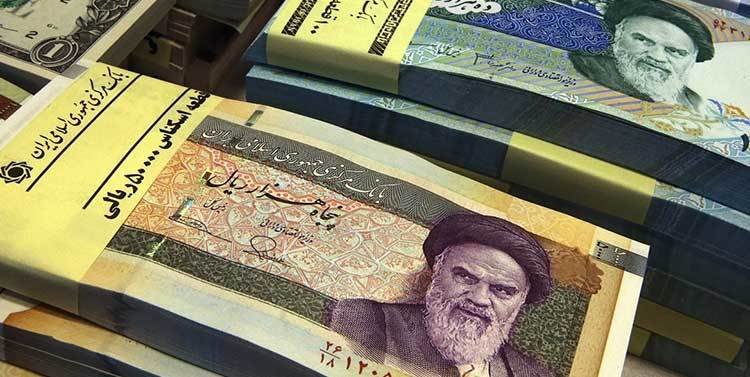
Karachi: The Iranian rial continues to attract steady attention in Pakistan’s informal currency markets, with traders reporting consistent buying activity across major cities including Karachi, Lahore, and Quetta.
According to Beyond Time News, the currency remains in demand due to both speculative interest and cross-border trade needs, despite ongoing volatility in global financial conditions.
Informal Market Rates Remain Elevated
In Pakistan’s cash market, dealers report that 1 crore Iranian rials (10 million IRR) is trading between PKR 8,000 and PKR 10,000.
This premium level remains significantly higher than earlier baseline values, reflecting continued demand in local currency exchange networks.
As a result, small fluctuations in supply and demand are keeping short-term trading activity active in the market.
Comparison With International Exchange Value
In contrast, the official or international benchmark value of the Iranian rial remains much lower than its local informal rate in Pakistan.
Based on standard conversion estimates, 1 Pakistani rupee equals approximately 4,700 Iranian rials under global exchange rates.
Therefore, 1 crore Iranian rials would roughly equal around PKR 2,100 to PKR 2,130 at official parity, showing a clear gap between formal and informal market pricing.
Why Demand for Iranian Rial Continues in Pakistan
Traders and market analysts point to two major reasons behind sustained demand.
Firstly, speculative buying continues as investors anticipate potential gains linked to possible geopolitical developments involving Iran and the United States. Many buyers treat the rial as a high-risk, short-term opportunity.
Secondly, cross-border trade requirements also support demand, particularly in Balochistan, where informal trade routes rely on physical currency settlements for goods such as fuel, food, and other commodities.
Market Experts Warn of Risks
Currency dealers caution that the rial remains highly volatile and sensitive to political and economic developments.
Moreover, experts warn that informal trading carries risks, including price manipulation, sudden rate changes, and counterfeit currency circulation.
Therefore, financial analysts advise buyers to verify transactions carefully and use licensed exchange companies wherever possible.
Read more:Iranian Rial Rate in Pakistan Today – May 20, 2026
Gap Between Official and Informal Rates
The significant difference between international valuations and Pakistan’s informal market rates continues to define rial trading behavior.
While global benchmarks reflect the currency’s weaker position, local demand in specific trade corridors keeps pushing informal prices higher.
According to Beyond Time News, this pricing gap is expected to persist as long as regional trade activity and speculative interest remain active.
Conclusion
The Iranian rial continues to trade actively in Pakistan’s informal markets, driven by a mix of trade requirements and investor speculation. However, experts caution that volatility remains high, and market participants should proceed carefully.
FAQs
What is the current Iranian rial rate in Pakistan?
1 crore Iranian rials are trading between PKR 8,000 and PKR 10,000 in the informal market.
Why is the rial in demand in Pakistan?
Demand is driven by speculation and cross-border trade activities.
Is the informal rate different from the official rate?
Yes, the informal market rate in Pakistan is significantly higher than the international benchmark.
Is trading Iranian rial risky?
Yes, experts warn of volatility, fake currency risks, and sudden price changes.
Where is most trading activity seen?
Major activity is reported in Karachi, Quetta, and Lahore.
#IranianRial #PakistanCurrency #ForexMarket #KarachiNews #ExchangeRates #EconomicNews #BeyondTimeNews
One thought on “Iranian Rial Holds Steady in Pakistan’s Informal Market as Demand Remains Active – May 20, 2026”
Comments are closed.