
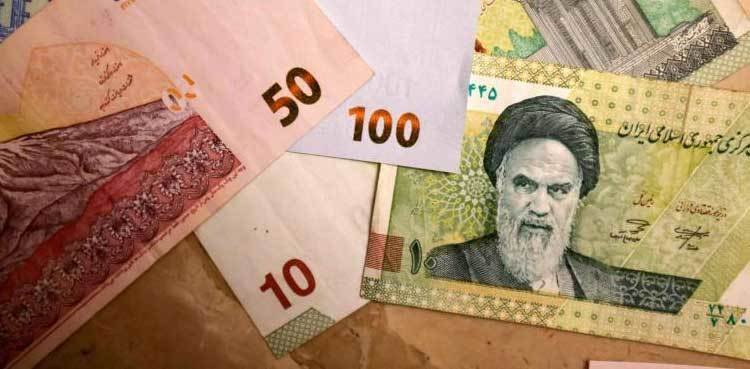
The Iranian Rial continues to trade at a notable premium in Pakistan’s informal currency markets, reflecting strong cross-border demand and limited access to official banking channels.
According to Beyond Time News, market data from Karachi, Quetta, and Lahore shows that 1 crore Iranian rials (10,000,000 IRR) is currently being exchanged between PKR 8,000 and PKR 10,000 in the open market.
Open Market vs Global Rate
In Pakistan’s informal market, the exchange rate is approximately:
- 1 PKR ≈ 1,000 IRR
- 10 PKR ≈ 10,000 IRR
- 1,000 PKR ≈ 1,000,000 IRR
However, the international benchmark tells a very different story. The global mid-market rate stands closer to:
- 1 PKR ≈ 4,721 IRR
This means the open-market rate in Pakistan is trading at nearly 4.7 times higher than the global reference level.
Why the Premium Exists
Several factors are driving this sharp difference in rates:
- Strong demand for cross-border trade, especially along the Balochistan-Iran corridor
- Limited access to formal banking channels for settlements
- Dealer-driven liquidity and speculative trading activity
These conditions have created a parallel pricing system that operates independently of official exchange rates.
Weekly Trend Shows Strong Growth
The informal market has seen noticeable movement over the past week.
- Previous range: PKR 6,500 – 8,500 per crore IRR
- Current range: PKR 8,000 – 10,000 per crore IRR
This reflects an estimated 15% to 25% increase in trading activity and pricing.
Market Activity and Demand
Daily transaction volumes are estimated at $4–6 million equivalent, driven by:
- Border trade settlements
- Remittance flows
- Short-term speculative positioning
These factors continue to support demand for physical rial transactions in Pakistan.
Read more:Iranian Rial Rate in Pakistan Today – April 29, 2026
Advisory for Traders
Market participants are advised to confirm real-time rates through licensed dealers or institutions like the State Bank of Pakistan and members of the Exchange Companies Association of Pakistan (ECAP).
Informal market rates can fluctuate frequently and may carry additional risks compared to official channels.
About IRR and PKR
The Iranian rial is the official currency of Iran and is managed by its central bank. It has faced long-term pressure due to sanctions, inflation, and economic challenges.
Meanwhile, the Pakistani Rupee has been Pakistan’s official currency since 1948, with its performance influenced by inflation, trade balance, and foreign exchange inflows.
Conclusion
Overall, the Iranian rial’s premium in Pakistan’s open market highlights the impact of informal trade and restricted financial channels. As demand remains strong, exchange rates are likely to stay volatile in the near term.
3 thoughts on “Iranian Rial Rate in Pakistan Today”
Comments are closed.