Baghdad: Iraq and Jordan have agreed to accelerate work on the Basra-Aqaba Strategic Oil Pipeline Project, reaffirming their commitment to expanding energy cooperation and strengthening economic ties through one of the region’s largest cross-border infrastructure projects.
According to Beyond Time News, the agreement was reached during a meeting in Baghdad between Iraqi Prime Minister Ali al-Zeydi and a Jordanian ministerial delegation led by Minister of Industry, Trade and Supply Yarub al-Qudah.
The discussions focused on advancing the long-planned pipeline while exploring broader cooperation in industry, transport, and investment.
Leaders Push for Faster Implementation
During the meeting, officials reviewed the project’s progress and agreed to speed up implementation of the Basra-Aqaba Strategic Oil Pipeline.
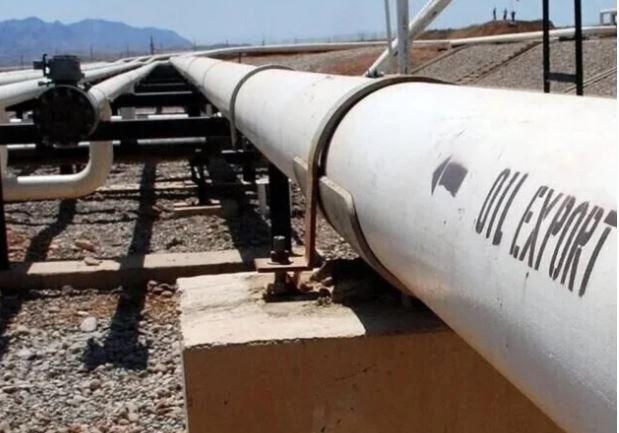
According to Beyond Time News, the proposed pipeline will extend approximately 1,700 kilometers (1,056 miles) from Iraq’s southern oil hub of Basra to Jordan’s Red Sea port of Aqaba.
Once completed, the pipeline is expected to transport up to 2.5 million barrels of crude oil per day, making it one of the largest energy infrastructure projects in the region.
The two sides also discussed expanding cooperation beyond energy by promoting investment, industrial development, and transport connectivity.
Strategic Importance of the Pipeline
The Basra-Aqaba pipeline is intended to diversify Iraq’s oil export routes by reducing reliance on Gulf shipping terminals.
At present, much of Iraq’s crude oil exports move through the Persian Gulf, making alternative export corridors strategically important for energy security and trade resilience.
The new pipeline would provide Iraq with direct access to the Red Sea through Jordan, creating another route for reaching international markets.
For Jordan, the project is expected to provide a stable supply of Iraqi crude oil at preferential rates while generating revenue through pipeline transit fees.
Support for Economic Cooperation
Iraqi Prime Minister Ali al-Zeydi described Jordan as an important strategic partner and emphasized the value of expanding bilateral economic cooperation.
Jordanian minister Yarub al-Qudah reaffirmed his country’s support for Iraq’s ongoing economic reform efforts and expressed confidence that stronger cooperation would benefit both economies.
According to Beyond Time News, officials agreed that enhanced collaboration in infrastructure and investment could contribute to long-term regional development.
PM Shehbaz Congratulates Iraq’s New Prime Minister, Signals Stronger Bilateral Ties
Background of the Basra-Aqaba Project
The Iraqi Cabinet approved the Basra-Aqaba Strategic Oil Pipeline agreement on January 11, 2022, after years of planning and negotiations.
Physical construction of the project began last year following the allocation of funding in Iraq’s 2024 national budget.
The pipeline is designed to connect Basra, home to Iraq’s largest oil fields, with the Jordanian port of Aqaba, providing an additional export outlet for Iraqi crude.
The project forms part of Iraq’s broader strategy to strengthen energy infrastructure, increase export flexibility, and reduce logistical risks.
Political Debate Surrounding the Project
Although the pipeline has received support from both governments, it has also generated political debate within Iraq.
Some political groups have opposed the project, arguing that it could indirectly facilitate future regional normalization involving Israel.
The Iraqi government has consistently presented the project as an economic and energy initiative focused on expanding export capacity, strengthening regional cooperation, and supporting national development.
Why the Project Matters
As one of the world’s largest oil producers, Iraq depends heavily on energy exports for government revenue.
Diversifying export routes can help reduce supply disruptions, improve market access, and strengthen long-term energy security.
For Jordan, increased access to Iraqi oil could improve energy stability while supporting economic growth through infrastructure investment and transit income.
The project may also strengthen economic integration between neighboring countries and encourage additional regional infrastructure cooperation.
Possible Implications
If completed as planned, the Basra-Aqaba pipeline could reshape regional energy logistics by providing Iraq with a strategic alternative to Gulf export routes.
It may also encourage greater investment in supporting infrastructure, logistics, storage facilities, and industrial development along the pipeline corridor.
Energy analysts believe successful implementation could strengthen regional trade links while improving supply chain resilience in the Middle East.
Conclusion
Iraq and Jordan have reaffirmed their commitment to accelerating the Basra-Aqaba Strategic Oil Pipeline Project, viewing it as a key initiative for expanding energy cooperation and strengthening economic ties. As construction progresses, the pipeline has the potential to improve Iraq’s export flexibility, enhance Jordan’s energy security, and contribute to broader regional connectivity and development.
Frequently Asked Questions
What is the Basra-Aqaba oil pipeline?
It is a planned 1,700-kilometer pipeline that will transport crude oil from Basra in Iraq to the Jordanian port of Aqaba on the Red Sea.
Why is the pipeline important for Iraq?
The project will diversify Iraq’s oil export routes, reducing dependence on Gulf ports and improving energy export flexibility.
How will Jordan benefit?
Jordan is expected to receive Iraqi crude oil at discounted prices while earning transit revenues from the pipeline.
How much oil will the pipeline carry?
The pipeline is designed to transport up to 2.5 million barrels of oil per day once operational.
Why has the project faced opposition?
Some political groups in Iraq have expressed concerns that the project could indirectly contribute to regional normalization with Israel, although the Iraqi government describes it as an economic initiative.
Hashtags
#Iraq #Jordan #OilPipeline #BasraAqaba #EnergySecurity #MiddleEast #Infrastructure #OilAndGas #RegionalTrade #BeyondTimeNews