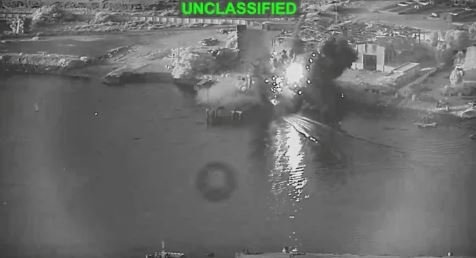
Jerusalem: The financial burden of Israel’s ongoing regional conflicts is placing increasing pressure on the country’s economy, public finances, and social services, raising concerns among economists about the long-term impact of sustained military spending.
According to Beyond Time News, the cost of Israel’s multiple military engagements since October 2023 has climbed sharply, prompting higher government borrowing, increased taxes, and growing debate over national spending priorities.
War Costs Reach Record Levels
Officials estimate that the combined cost of Israel’s regional conflicts has reached approximately 405 billion shekels ($138 billion) by late April.
The figure represents more than 17% of the country’s gross domestic product (GDP), highlighting the significant economic impact of nearly three years of sustained military operations.
In addition, the military campaign involving Iran earlier this year added an estimated 35 billion shekels ($12 billion) in expenses before a ceasefire came into effect.
As a result, Israel’s defence budget has expanded dramatically. Government data shows military spending has more than doubled compared with pre-conflict levels.
Rising Debt and Higher Taxes
To finance the growing costs, the government turned heavily to international borrowing markets throughout 2024 and 2025.
Consequently, public debt has increased substantially. Government figures indicate that debt now exceeds 69% of GDP, compared with around 60% before the conflicts intensified.
At the same time, authorities have increased taxes and social security contributions to support state expenditures.
While these measures have helped fund security operations, they have also added financial pressure on households and businesses.
Concerns Over Education and Healthcare Funding
Economists warn that rising defence spending could limit investment in essential public services.
Experts argue that repeated budget reductions across government departments may affect the quality of education, healthcare, and infrastructure projects.
As more resources flow toward defence, fewer funds remain available for long-term social and economic development.
Analysts caution that these trade-offs could become more visible in the coming years if military spending remains elevated.
Labour Market Faces Additional Challenges
The continued mobilisation of military reservists has created further economic challenges.
Thousands of workers have spent extended periods away from their regular jobs, reducing productivity in several sectors.
Business owners, particularly small enterprises, have reported difficulties maintaining operations while employees fulfil military duties.
Although Israel’s economy recovered from the initial shock of the conflict and returned to growth, experts say labour shortages continue to affect overall output.
Household Incomes Under Pressure
Recent surveys suggest many Israelis have experienced financial difficulties since the conflict began.
Research released by a leading policy institute found that nearly one-third of respondents reported a decline in income or wages.
Low-income workers and self-employed individuals appear to have experienced the greatest impact.
Furthermore, rising living costs and increased taxation have added to economic pressures facing many families.
Read more:Deadly Shooting Near West Bank Border Leaves One Dead, Five Injured in Israel
Debate Over Future Defence Spending
A growing discussion has emerged within economic and policy circles about how much the country should spend on defence in the years ahead.
Some government officials have warned against allowing security concerns to dominate economic planning indefinitely.
They argue that maintaining national security remains essential but should not come at the expense of living standards and public welfare.
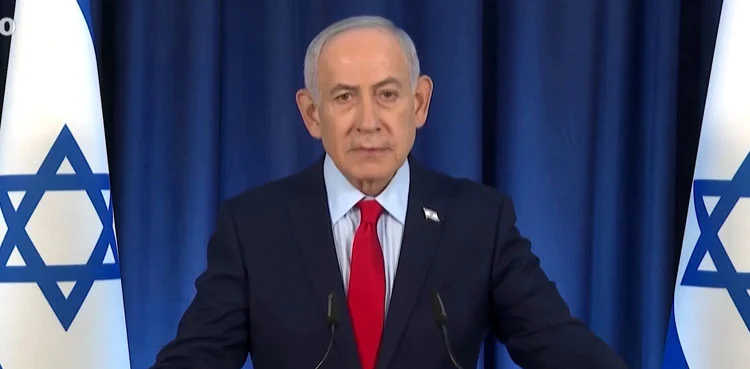
However, Prime Minister Benjamin Netanyahu has repeatedly emphasized the need for strong military preparedness, describing Israel’s security environment as requiring exceptional defence capabilities.
Poverty and Inequality Remain Key Concerns
The economic effects of the conflict have also intensified concerns about poverty and inequality.
Recent official data shows a slight increase in the percentage of children living below the poverty line between 2023 and 2024.
Social policy experts warn that prolonged military spending, combined with reduced social investment, could widen existing economic disparities.
They argue that balancing national security needs with economic stability will remain one of Israel’s most significant policy challenges.
Conclusion
Israel’s prolonged military engagements have strengthened concerns about the long-term cost of maintaining a high-security posture. While the economy has shown resilience, rising debt, increased taxes, labour shortages, and pressure on public services continue to fuel debate over spending priorities.
As policymakers weigh future defence requirements against social and economic needs, the challenge of maintaining both security and prosperity is likely to remain at the centre of national discussions.
FAQs
How much have Israel’s recent conflicts cost?
Official estimates place the total cost at approximately 405 billion shekels ($138 billion) as of late April.
Why has Israel’s public debt increased?
The government has relied heavily on borrowing to finance military operations and related expenditures.
How are public services affected?
Economists warn that higher defence spending may reduce resources available for education, healthcare, and infrastructure.
What impact has the conflict had on workers?
The mobilisation of reservists has reduced workforce availability and affected productivity across several sectors.
Has poverty increased during the conflict?
Recent data indicates a slight rise in child poverty rates, adding to concerns about inequality and economic hardship.
#IsraelEconomy #MiddleEastNews #DefenceSpending #EconomicImpact #GlobalEconomy #IsraelNews #PublicDebt #MilitaryBudget #WorldNews #EconomicAnalysis