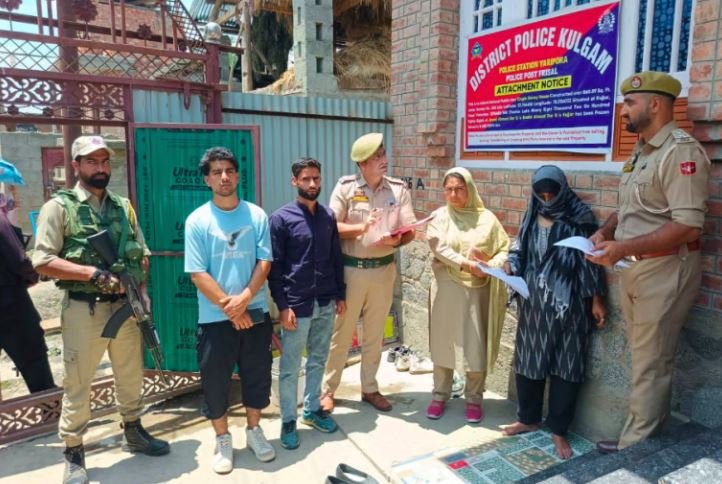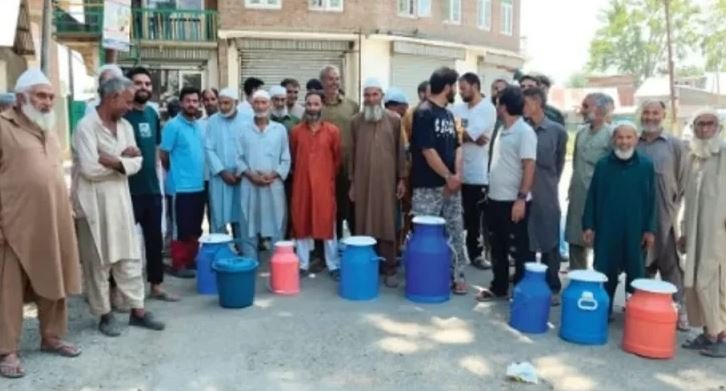

A wave of concern has emerged from Jammu after authorities carried out a demolition operation in the Sidra area, leaving several Gujjar and Bakerwal families displaced. The move has sparked strong criticism from community leaders, who say the action has deepened hardships for already vulnerable tribal groups. Meanwhile, discussions on governance, land rights, and humanitarian responsibility have intensified across the region.
Homes of Tribal Families Demolished in Sidra
In Jammu’s Sidra area, authorities recently launched an anti-encroachment operation that led to the removal of multiple makeshift homes. As a result, at least 30 temporary structures belonging to Gujjar and Bakerwal families were demolished.
According to Beyond Time News, these shelters were mostly used as seasonal residences by nomadic families who depend on livestock grazing. Consequently, the sudden action left many families without any immediate shelter or alternative arrangements.
Notably, the demolished structures included traditional hutments used for decades by tribal communities during their migratory lifestyle.
Gujjar-Bakerwal Families Face Hardship in Jammu
The affected families belong to the Gujjar and Bakerwal communities, both known for their nomadic traditions and dependence on livestock. For years, they have moved between grazing lands across the region in search of livelihood opportunities.
However, after the demolition drive, several families reported losing not only their shelter but also access to key grazing points. This situation has created additional pressure on their already fragile economic conditions.
Many community members argue that the authorities did not provide sufficient relocation options before carrying out the operation.
Agha Syed Hassan Raises Alarm Over the Action
Senior APHC leader and President of Anjuman-e-Sharie Shian, Agha Syed Hassan Mosavi Al-Safavi, strongly criticized the demolition campaign during a Friday gathering at Markazi Imam Baragah in Budgam.
He stated that the operation has caused widespread distress among tribal families. Moreover, he expressed concern that such actions reflect a pattern of neglect toward vulnerable communities.
He further warned that repeated demolitions without rehabilitation plans could worsen the humanitarian situation in the region.
Accusations of Systematic Displacement
Agha Hassan also argued that the targeting of tribal communities raises serious questions about fairness and governance. In his remarks, he suggested that such actions contribute to growing insecurity among minority groups.
In addition, he urged human rights organizations, civil society groups, and political representatives to intervene and ensure protection for affected families.
According to Beyond Time News, he described the situation as deeply troubling and called for immediate corrective measures.
Read more:Agha Hassan Urges India-Pakistan Dialogue, Rejects War
Anti-Encroachment Drive by Authorities
On the administrative side, the IIOJK Forest Department conducted the demolition as part of an anti-encroachment campaign.
Officials maintain that the removed structures were located on protected or restricted land. Therefore, they argue the action was necessary to enforce land regulations and environmental protections.
However, critics insist that enforcement should be paired with proper consultation and rehabilitation support, especially when dealing with vulnerable tribal populations.
Public Reaction and Growing Criticism
Following the demolition, political and social reactions have grown stronger. Many observers have described the action as excessive and insensitive to the needs of nomadic communities.
Furthermore, several voices have highlighted the lack of alternative housing arrangements, which has left displaced families in urgent need of assistance.
As debate continues, calls for a more balanced land management policy are gaining momentum.
Human Impact on the Ground
Meanwhile, displaced families are struggling to cope with the sudden loss of shelter. Many have been forced to relocate temporarily without access to basic facilities.
In particular, women and children have been most affected due to limited resources and unstable living conditions. Additionally, livestock-dependent families face economic disruption, which may take time to recover.
Local observers say that immediate relief measures remain insufficient to address the scale of the crisis.
Need for Balanced Policy and Rehabilitation
Experts and human rights advocates emphasize that land enforcement should not come at the cost of humanitarian stability. Instead, they suggest that authorities introduce structured rehabilitation plans before carrying out such operations.
They also recommend transparent consultation with tribal communities to prevent future conflicts and displacement issues.
Accordingly, the situation highlights the urgent need for policies that balance environmental protection with human welfare.
Conclusion
The demolition drive in Sidra, Jammu has sparked widespread debate over tribal rights, governance, and humanitarian responsibility. While authorities defend the operation as part of an anti-encroachment effort, critics argue that it has disproportionately affected vulnerable Gujjar-Bakerwal families.
Ultimately, the incident underscores the importance of ensuring fair, transparent, and humane approaches to land management.
According to Beyond Time News, the situation calls for urgent attention to prevent further hardship among displaced communities.
SEO Keywords
Jammu demolition drive, Gujjar Bakerwal news, tribal displacement Jammu, Sidra anti encroachment, IIOJK updates, Kashmir tribal issues, Jammu Forest Department action
Hashtags
#JammuNews #GujjarBakerwal #TribalRights #KashmirUpdates #IIOJK #HumanRights #BreakingNews #BeyondTimeNews #DemolitionDrive
FAQs
1. What triggered the demolition in Sidra, Jammu?
Authorities conducted an anti-encroachment drive to remove alleged illegal structures on protected land.
2. Which communities were affected?
The Gujjar and Bakerwal tribal families were primarily impacted by the operation.
3. How many structures were demolished?
Reports indicate that around 30 temporary homes and hutments were removed.
4. What concerns have been raised?
Concerns include displacement, lack of rehabilitation, and the impact on tribal livelihoods.
5. What do critics suggest?
Critics call for proper consultation, fair policy enforcement, and immediate rehabilitation for affected families.