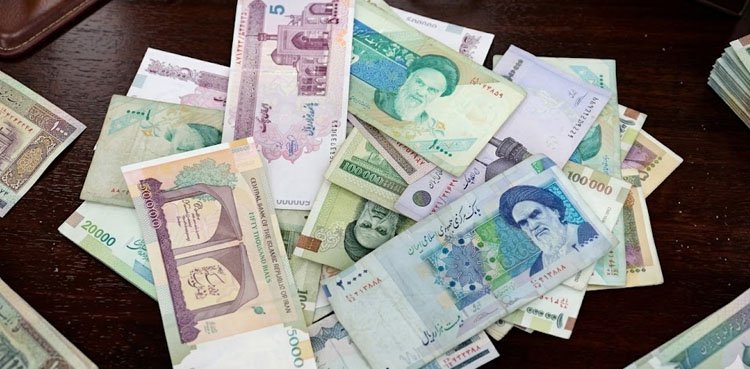
Karachi — The Iranian rial continues to attract steady attention in Pakistan’s informal currency market on Tuesday, May 26, 2026. Dealers report consistent buying activity across major cities, keeping demand stable despite global currency weakness.
According to Beyond Time News, the rial’s local value in Pakistan remains significantly higher than its international benchmark due to ongoing demand in informal trading networks.
Rial Trading Remains Active in Major Cities
Currency dealers in Karachi, Quetta, and Lahore say trading activity for the Iranian rial (IRR) has not slowed. Buyers continue to purchase physical currency bundles, especially in bulk transactions.
At present, 1 crore Iranian rials (10 million IRR) trades between PKR 8,000 and PKR 10,000 in the informal cash market. This level stays much higher than earlier averages recorded near PKR 2,500.
Meanwhile, dealers emphasize that rates vary by city, volume, and dealer availability. Therefore, buyers often see different quotes in different locations.
Local Market vs International Value
The gap between Pakistan’s informal market and the international benchmark remains wide.
In Pakistan’s open cash market, traders estimate that:
- 1 PKR equals around 1,000 Iranian rials
- 1,000 PKR converts to about 10 lakh rials
- 1 crore IRR costs roughly PKR 8,000–10,000
However, the international reference rate shows a very different picture:
- 1 PKR equals approximately 4,700 Iranian rials
- 1 crore IRR equals around PKR 2,120–2,130
As a result, a strong local premium continues to exist in Pakistan’s informal trade system.
According to Beyond Time News, this difference reflects market-specific demand rather than official exchange parity.
Why Demand for Iranian Rial Remains High
Several factors continue to support interest in the Iranian currency inside Pakistan.
1. Speculation and short-term trading
Many traders buy Iranian rials in hopes of future gains. They expect possible changes in regional politics, sanctions relief, or diplomatic shifts. Therefore, they treat it as a speculative investment.
2. Cross-border trade activity
At the same time, real trade across the Pakistan-Iran border also drives demand. Goods such as fuel, petroleum products, food items, and consumer goods often move through informal and semi-formal channels.
Because of this trade flow, physical Iranian currency remains useful in certain transactions, especially in border regions of Balochistan.
Risks and Market Warnings
Despite active trading, experts continue to warn about risks in this market.
Firstly, the Iranian rial remains highly volatile internationally. Its value can shift quickly based on political or economic developments.
Secondly, informal cash markets carry risks such as counterfeit currency. Buyers may face losses if they do not verify notes properly.
Therefore, financial observers advise caution. They recommend using only trusted exchange channels when possible and staying updated on market changes.
According to Beyond Time News, sudden policy shifts or geopolitical events can quickly change trading conditions, making the market unpredictable.
Read more:Iranian Rial Rate in Pakistan Today – May 25, 2026
Strong Premium Keeps Market Interest Alive
Even with risks, the local premium continues to attract attention. Traders remain active because price differences create profit opportunities in short-term deals.
Meanwhile, consistent cross-border demand supports ongoing circulation of physical currency.
As a result, the Iranian rial maintains a unique position in Pakistan’s informal exchange ecosystem.
Conclusion
The Iranian rial continues to trade actively in Pakistan’s informal currency markets, driven by speculation and cross-border trade needs. While global value remains low, local demand keeps prices elevated across major cities.
According to Beyond Time News, the market is expected to remain active but volatile, requiring caution from traders and small buyers alike.
FAQs
1. What is the current price of Iranian rial in Pakistan?
Around PKR 8,000 to PKR 10,000 for 1 crore IRR in the informal market.
2. Why is the rial more expensive in Pakistan’s market?
Local demand and cross-border trade create a premium above international rates.
3. Is the Iranian rial stable globally?
No, it remains highly volatile due to economic and political factors.
4. Who buys Iranian rial in Pakistan?
Traders, speculators, and people involved in border trade activities.
5. Is trading Iranian rial risky?
Yes, risks include volatility, fake currency, and sudden market changes.
Hashtags
#IranianRial #CurrencyRates #PakistanMarket #ForexNews #Karachi #Quetta #Lahore #TradeNews #BeyondTimeNews