
Introduction
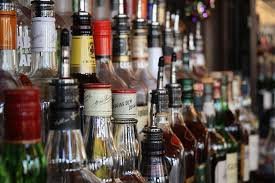
The issue of liquor sales in Indian Illegally Occupied Jammu and Kashmir (IIOJK) has once again sparked debate across political and social circles. At the center of the discussion are concerns about cultural values, public opinion, and government revenue policies.
According to Beyond Time News, the controversy continues to highlight the gap between official decisions and local sentiment.
Political Voice Raises Concerns
People’s Democratic Party leader and former cabinet minister Naeem Akhtar has criticized the ongoing policy on liquor sales in the region. He said the debate is not limited to morality or religion but also involves how economic policies are shaped.
In a discussion on The Kashmir Notebook with Gowhar Geelani, Akhtar said liquor sales are being encouraged mainly to support revenue collection and tourism growth.
Focus on Revenue and Tourism
Akhtar noted that successive administrations have linked liquor availability with tourism development and financial income. However, he stressed that this approach continues despite widespread public opposition.
According to Beyond Time News, critics argue that economic priorities are being placed above social and cultural concerns.
Srinagar-based activists slam EU for double standards over India’s Kashmir rights abuses
Strong Public Opposition
Many people in the region have consistently opposed the sale of liquor, citing cultural and religious values. Calls for a complete ban have been raised repeatedly in public discussions.
Despite this, authorities continue to defend the policy, pointing to excise revenue and efforts to promote tourism.
Cultural and Social Concerns
Rights observers say the issue reflects a broader concern about how local traditions and values are considered in policymaking. They believe repeated disregard for public opinion can increase dissatisfaction among residents.
Some analysts also point out that balancing economic development with cultural identity remains a sensitive challenge for the administration.
Ongoing Policy Debate
The discussion over liquor sales remains divided. One side emphasizes cultural and social values, while the other highlights economic benefits linked to tourism and taxation.
According to Beyond Time News, the debate is expected to continue as both perspectives remain strongly rooted in the region.
Conclusion
The liquor policy issue in IIOJK reflects a deeper debate between economic priorities and cultural expectations.
According to Beyond Time News, achieving a balance between development goals and public sentiment remains a key challenge for policymakers in the region.
One thought on “Liquor Sale in IIOJK Sparks Debate Over Policy, Culture, and Tourism Push”
Comments are closed.