
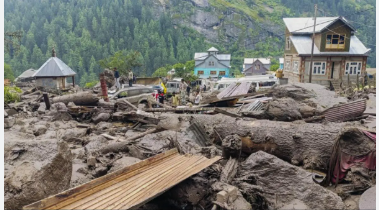
Islamabad: Pakistan may receive below-average rainfall during the upcoming monsoon season, but major cities across the country could still face urban flooding due to intense rain spells, according to the latest seasonal outlook issued by the Pakistan Meteorological Department (PMD).
According to Beyond Time News, the weather agency has cautioned that although overall monsoon rainfall is expected to remain lower than normal between July and September 2026, heavy downpours in short periods could trigger flooding in urban areas of Sindh, Punjab, and Khyber Pakhtunkhwa.
The warning comes as authorities prepare for the annual monsoon season, which plays a crucial role in Pakistan’s agriculture, water resources, and climate conditions.
PMD Issues Urban Flood Alert for Major Cities
The Pakistan Meteorological Department has identified a significant risk of urban flooding in several densely populated cities during the monsoon months.
Officials explained that lower seasonal rainfall totals do not necessarily reduce flood threats. Instead, concentrated and intense rainfall events can overwhelm drainage systems, leading to water accumulation on roads, disruption of traffic, and damage to infrastructure.
According to Beyond Time News, weather experts have urged local administrations to strengthen preparedness measures ahead of the monsoon season.
Above-Normal Rainfall Expected in Northern Regions
While much of the country may experience below-average precipitation, the forecast suggests that some northern regions could receive higher-than-normal rainfall.
These areas include:
- Kashmir
- Upper Khyber Pakhtunkhwa
- Gilgit-Baltistan
Meteorologists believe that weather patterns during the season may favor increased rainfall activity in mountainous regions, raising concerns about landslides and flash floods in vulnerable locations.
Higher Temperatures Likely Across Pakistan
In addition to rainfall forecasts, the PMD has projected above-average temperatures across much of the country from July to September.
According to Beyond Time News, northern Punjab and western Gilgit-Baltistan are expected to experience particularly intense heat conditions.
Experts warn that prolonged periods of elevated temperatures could increase the risk of heat-related illnesses, especially among children, elderly individuals, and outdoor workers.
Health authorities are expected to issue advisories encouraging people to stay hydrated and limit exposure to direct sunlight during peak daytime hours.
Agriculture Sector Faces Fresh Challenges
The monsoon season is vital for Pakistan’s agricultural economy, providing essential water for crops across the country.
Director General of the Met Office, Dr. Muhammad Afzal, warned that below-normal rainfall may negatively affect agricultural productivity and crop yields.
Reduced precipitation could impact:
- Water availability for irrigation
- Crop growth and development
- Livestock management
- Food production levels
Agricultural experts often view seasonal rainfall forecasts as critical indicators for planning sowing and harvesting activities.
Water Shortages Remain a Concern
The forecast has also raised concerns about water availability in several provinces.
Punjab, Sindh, and Balochistan may face water shortages if rainfall remains significantly below average during the monsoon period.
Lower rainfall can reduce reservoir inflows, affect groundwater recharge, and place additional pressure on existing water resources.
According to Beyond Time News, water management authorities are closely monitoring forecasts to assess potential impacts on irrigation systems and urban water supplies.
Glacier Melt and GLOF Risks Increase
Another concern highlighted in the seasonal outlook is the potential acceleration of glacier melting due to rising temperatures.
Northern Pakistan contains some of the world’s largest glacier systems outside the polar regions. Warmer weather can increase melting rates, resulting in higher river flows and greater pressure on glacial lakes.
Meteorologists have warned that excessive melting may elevate the risk of Glacial Lake Outburst Floods (GLOFs), a phenomenon in which water from glacier-fed lakes suddenly breaches natural barriers and causes destructive flooding downstream.
Communities in Gilgit-Baltistan and northern Khyber Pakhtunkhwa remain particularly vulnerable to such events.
Read more:Karachi Launches Large-Scale Drain Cleaning Plan Ahead of Monsoon 2026
Seasonal Diseases Could Rise
Health experts also anticipate an increase in seasonal illnesses during the monsoon period.
Warm temperatures combined with intermittent rainfall often create favorable conditions for the spread of:
- Waterborne diseases
- Mosquito-borne infections
- Gastrointestinal illnesses
- Heat-related health complications
Authorities have encouraged citizens to follow public health guidelines and maintain proper hygiene practices throughout the season.
Preparedness Key to Minimizing Risks
The PMD has urged provincial and local authorities to remain vigilant and prepare for possible weather-related emergencies.
Disaster management agencies, municipal administrations, and emergency response teams are expected to monitor weather developments closely and respond rapidly to any flooding incidents.
According to Beyond Time News, early preparedness and effective drainage management can significantly reduce the impact of urban flooding during intense rainfall events.
FAQs
Will Pakistan receive normal monsoon rainfall in 2026?
No. The PMD forecasts below-normal rainfall in most parts of the country during the July-September monsoon season.
Which areas face the highest urban flooding risk?
Major cities in Sindh, Punjab, and Khyber Pakhtunkhwa could experience urban flooding during heavy rainfall spells.
Which regions may receive above-average rainfall?
Kashmir, upper Khyber Pakhtunkhwa, and Gilgit-Baltistan are expected to receive above-normal rainfall.
Why is flood risk still high despite lower rainfall forecasts?
Intense rainfall occurring within a short period can overwhelm drainage systems and cause flooding, even when seasonal rainfall totals remain below average.
What additional weather risks have been highlighted?
The PMD has warned about water shortages, heat stress, accelerated glacier melt, and increased risks of Glacial Lake Outburst Floods (GLOFs).
#Monsoon2026 #PakistanWeather #PMD #UrbanFlooding #ClimateChange #RainfallForecast #Heatwave #GilgitBaltistan #KhyberPakhtunkhwa #SindhWeather #PunjabWeather #PakistanNews