
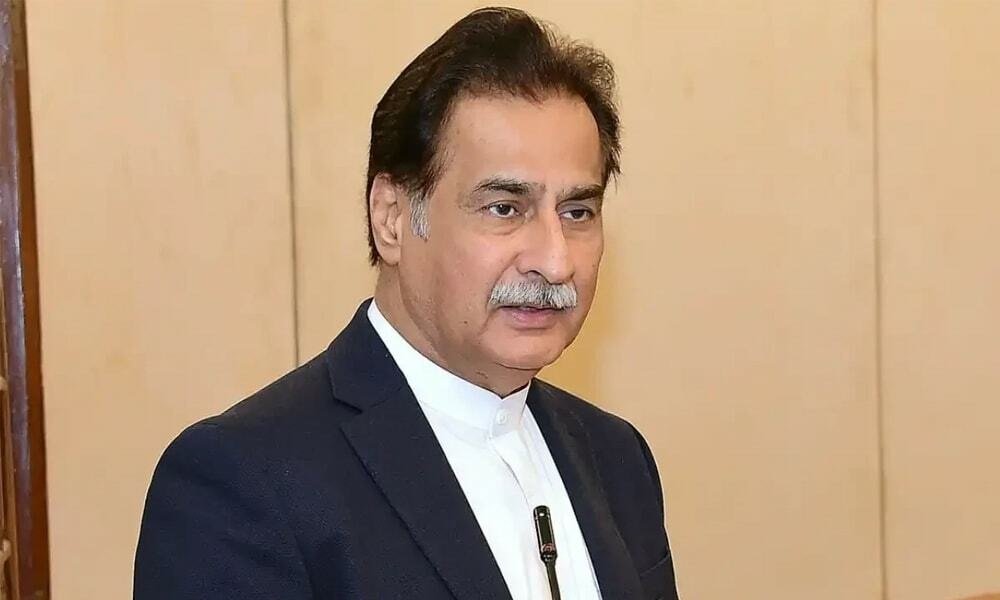
ISLAMABAD: The National Assembly Secretariat has achieved significant financial savings of Rs4.5 billion after implementing wide-ranging administrative reforms aimed at reducing expenses, improving efficiency, and modernising parliamentary operations.
According to Beyond Time News, the savings amount to nearly 27.3% of the Secretariat’s total allocated budget for the current financial year, reflecting a strong push toward austerity and institutional restructuring within Pakistan’s lower house of Parliament.
The reforms, introduced under the supervision of Speaker Sardar Ayaz Sadiq, focus on curbing unnecessary expenditure, improving transparency, and introducing digital systems to streamline parliamentary work.
Major Budget Cuts Through Structural Reforms
For the fiscal year 2025-26, the National Assembly Secretariat had projected total expenditure of Rs16.3 billion. This included Rs9.4 billion allocated for employee-related costs such as salaries, allowances, and member-related expenses, while Rs6.9 billion was earmarked for operational spending including utilities, transport, procurement, and maintenance.
Officials said the Secretariat managed to reduce spending through targeted reforms that generated Rs2 billion in savings from employee-related expenses and Rs2.5 billion from non-salary operational costs.
These reductions were achieved through tighter financial controls, improved procurement systems, and better monitoring of day-to-day administrative spending.
Rightsizing and Workforce Optimization
As part of its restructuring plan, the Secretariat is also downsizing its workforce. The sanctioned strength has been reduced from 1,725 posts to 1,344 posts, marking a significant rightsizing effort within the institution.
Out of the total reduction plan, 301 positions have already been abolished, while the remaining posts are expected to be phased out in the next financial cycle.
Officials clarified that no employee was laid off or forced to leave their job, stressing that the process was carried out through administrative restructuring rather than termination.
The move is aimed at improving efficiency and aligning staffing levels with modern parliamentary requirements.
Read more:Lawmakers Raise Alarm Over Slow Internet in National Assembly, Demand Urgent Fix
Shift Toward a Paperless Parliament
One of the most impactful reforms has been the transition toward a paperless parliamentary system. The National Assembly Secretariat has increasingly digitised its operations, including electronic circulation of agendas, legislative bills, committee reports, and official documents.
This shift has significantly reduced paper consumption, printing costs, and record-keeping delays. It has also improved workflow efficiency and made parliamentary documentation more accessible to members.
The move is part of a broader effort to modernise legislative processes and reduce reliance on traditional paperwork.
Digital Transformation and AI Integration
In another milestone, the National Assembly has incorporated advanced digital tools and artificial intelligence-based systems to enhance legislative research, document management, and administrative coordination.
These technological upgrades are designed to improve access to information, streamline internal communication, and support lawmakers in decision-making processes.
Officials believe that the integration of AI and digital platforms will help transform parliamentary governance into a more efficient and transparent system.
Cost Savings in Transport and Operations
Further savings were achieved through reforms in official transport and travel management. The Secretariat introduced stricter monitoring of vehicle usage, reduced fuel consumption, and improved maintenance planning for government vehicles.
These measures helped cut unnecessary operational costs while ensuring more efficient use of state resources.
Energy conservation initiatives and improved procurement practices also contributed to the overall financial savings.
Leadership Vision for Efficiency and Transparency
Speaker Sardar Ayaz Sadiq has repeatedly emphasised the importance of financial discipline, transparency, and institutional modernisation in parliamentary operations.
He stated that the reforms reflect a broader commitment to responsible governance and effective use of public funds. According to him, Parliament must set an example for other institutions by reducing waste and improving efficiency.
Officials added that the Secretariat will continue implementing reforms aimed at strengthening accountability, adopting new technologies, and ensuring better service delivery.
Conclusion
The National Assembly’s reform programme marks one of the most significant cost-saving initiatives in recent years, reflecting a shift toward modern governance and digital transformation. With billions saved and structural improvements underway, the Secretariat is positioning itself as a more efficient and technology-driven institution.
FAQs
1. How much has the National Assembly saved through reforms?
The Secretariat has saved approximately Rs4.5 billion through austerity and efficiency measures.
2. Who introduced these reforms?
The reforms were introduced under the leadership of Speaker Sardar Ayaz Sadiq.
3. Has the workforce been reduced?
Yes, sanctioned posts have been reduced from 1,725 to 1,344 through rightsizing.
4. What is a paperless parliament?
It refers to the digital handling of parliamentary documents instead of using printed paper, reducing cost and improving efficiency.
5. Are employees being laid off due to reforms?
No, officials confirmed that no employees were terminated or forced to resign.
#NationalAssembly #PakistanPolitics #AyazSadiq #BudgetSavings #ParliamentReforms #DigitalPakistan #Governance #PublicFinance #EconomicReforms #BeyondTimeNews
2 thoughts on “National Assembly Reforms Save Rs4.5 Billion Under Ayaz Sadiq”
Comments are closed.