- Lower fuel and tomato prices offer short-term relief, while year-on-year inflation continues to burden households
Karachi: Pakistani consumers received modest relief during the latest reporting week as the Sensitive Price Indicator (SPI) recorded a slight decline, driven mainly by lower fuel, LPG and vegetable prices. However, inflation continues to weigh heavily on household budgets, with annual price growth remaining close to 12%, according to Beyond Time News.
The latest weekly inflation data suggests that while short-term price movements have become more favorable, the overall cost of living remains significantly higher than a year ago. Rising prices of essential food items and utilities continue to challenge families across the country despite recent improvements in energy markets.
Weekly SPI Records Modest Decline
The Pakistan Bureau of Statistics reported that the SPI decreased by 0.45% during the week ending July 9, 2026, bringing the index down to 352.66 points from 354.24 points a week earlier.
The decline was largely supported by lower prices of several commonly used products, including:
- Tomatoes
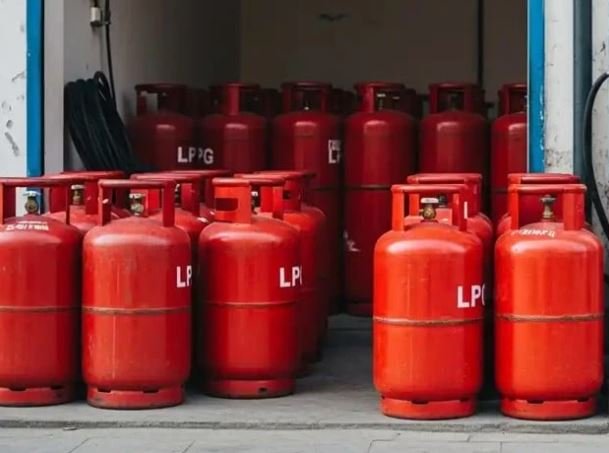
- Liquefied Petroleum Gas (LPG)
- Pulse moong
- Petrol
- Diesel
- Pulse masoor
- Sugar
- Mustard oil
Lower international oil prices have also contributed to easing domestic fuel costs, providing some relief for transport expenses and household energy consumption.
ADB Lowers Pakistan’s GDP Growth Forecast to 3.7%, Raises Inflation Outlook to 8.3%
Several Essential Food Items Became More Expensive
Despite the weekly improvement, many everyday necessities continued to become costlier.
Products that registered price increases included:
- Potatoes
- Chicken
- Onions
- Wheat flour
- Eggs
- Beef
- Fresh milk
- Cooked lentils
- Washing soap
According to Beyond Time News, price increases in staple foods remain a concern because these items account for a significant share of household spending, particularly for lower-income families.
Annual Inflation Remains Elevated
Although weekly prices softened, inflation measured over the past year remained high.
The SPI showed an 11.94% increase compared with the same period last year, highlighting that many essential goods continue to cost substantially more than they did twelve months ago.
Among the largest annual price increases were:
- Tomatoes
- Onions
- Wheat flour
- Electricity charges
- Gas tariffs
- LPG
On the other hand, some products became cheaper over the year, including:
- Potatoes
- Pulse gram
- Chicken
- Sugar
These mixed trends indicate that inflationary pressures remain uneven across different categories of consumer goods.
Lower Oil Prices Begin Supporting Domestic Markets
One factor helping stabilize prices has been the recent decline in international energy costs.
Reduced global oil prices have eased pressure on imported fuel expenses, allowing domestic petrol and diesel prices to soften. This has helped slow transportation costs and provided limited relief for consumers and businesses.
Economists note that sustained stability in international energy markets could further reduce inflationary pressure in the coming months, although global developments remain uncertain.
Impact Varies Across Income Groups
The latest SPI data shows that inflation affected households differently depending on their income levels.
Lower-income families experienced a smaller weekly decline in prices but continued to face the highest annual inflation rate. Wealthier households also benefited from lower weekly prices, although their year-on-year inflation remained comparatively lower.
This difference reflects spending patterns, as lower-income households devote a larger share of their income to food, utilities and other essential items that have experienced stronger price increases.
CPI Data Shows Similar Trend
The weekly figures align with Pakistan’s broader inflation picture.
Consumer Price Index (CPI) inflation slowed to 11.1% in June 2026, compared with 11.7% in May, indicating that inflation is gradually easing.
Monthly inflation also recorded a slight decline during June, suggesting that price pressures may be stabilizing after earlier increases.
Urban and rural inflation both remained above 10%, demonstrating that rising living costs continue to affect consumers across the country.
Financial Markets Reflect Changing Conditions
Financial markets also responded to improving global conditions.
The Pakistani rupee remained broadly stable in interbank trading, while domestic gold prices declined in line with international bullion markets.
Analysts believe continued stability in exchange rates and commodity prices could help reduce imported inflation if global market conditions remain favorable.
Why This Matters
Inflation directly affects purchasing power, savings and household financial planning.
Even though weekly price declines provide temporary relief, annual inflation near 12% means many families are still paying considerably more for food, utilities and daily necessities than they were a year ago.
Businesses also continue to face higher operating costs, which can influence future pricing decisions, investment plans and employment.
For policymakers, sustaining lower inflation without slowing economic activity remains one of the country’s major economic challenges.
Outlook for the Months Ahead
Economic observers believe inflation may continue easing gradually if international oil prices remain stable, supply chains improve and domestic food production supports market availability.
However, risks such as weather-related disruptions, global commodity price fluctuations and exchange rate volatility could still place upward pressure on prices later in the year.
According to Beyond Time News, future inflation trends will largely depend on energy costs, agricultural output and fiscal policy decisions aimed at maintaining economic stability.
Frequently Asked Questions
What is Pakistan’s Sensitive Price Indicator (SPI)?
The SPI is a weekly inflation indicator that tracks price changes in essential consumer goods across various cities and income groups.
Why did the SPI decline this week?
Lower prices for petrol, diesel, LPG, tomatoes and some food items contributed to the 0.45% weekly decline.
Why is inflation still considered high?
Although weekly prices eased, annual inflation remained at 11.94%, meaning consumers continue to pay much more than they did a year ago.
Which items became more expensive?
Potatoes, onions, wheat flour, chicken, eggs, beef and fresh milk recorded weekly price increases.
What could reduce inflation further?
Stable international energy prices, improved agricultural production, stronger supply chains and prudent economic policies could help slow inflation over time.
Hashtags
#PakistanInflation #SensitivePriceIndicator #PakistanEconomy #CostOfLiving #InflationUpdate #FuelPrices #FoodPrices #EconomicNews #Karachi #BeyondTimeNews