Islamabad: Pakistan is facing mounting socioeconomic challenges as the country’s poverty rate has risen sharply while public spending on education has dropped to its lowest level in years, according to the Pakistan Economic Survey 2025-26.
The latest survey presents a concerning picture of living conditions across the country, showing that millions more Pakistanis have fallen below the poverty line amid inflationary pressures, economic uncertainty, and widening income disparities. At the same time, investment in education—a critical pillar of long-term development—has declined significantly, raising questions about future human capital growth and economic competitiveness.
According to Beyond Time News, the survey indicates that the national poverty rate increased to 28.9% during the 2024-25 fiscal year, compared with 21.9% recorded in 2018-19. The findings mark a reversal of earlier gains in poverty reduction and highlight the challenges facing households across both urban and rural regions.
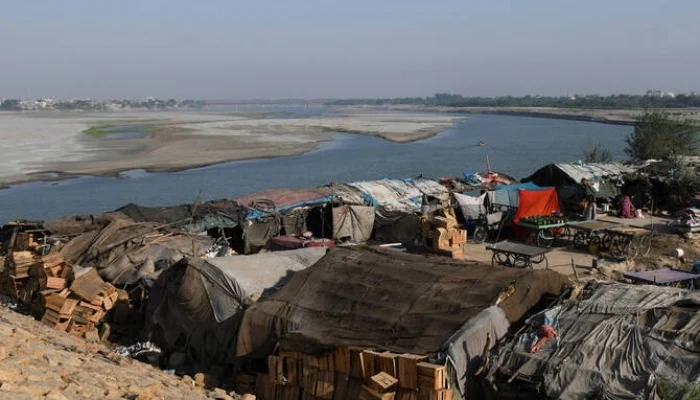
Poverty Levels Rise Across Pakistan
The report shows that poverty has increased nationwide, with rural communities continuing to bear the greatest burden. Rural poverty climbed to 36.2%, while urban poverty rose to 17.4%.
Economic experts often consider poverty trends a key indicator of household well-being. Rising poverty levels typically reflect declining purchasing power, reduced employment opportunities, and increased financial vulnerability among lower-income families.
The survey notes that the official poverty threshold has also increased substantially over recent years due to inflation. The poverty line now stands at Rs8,484 per adult equivalent per month, compared to Rs3,757.85 in 2018-19.
This sharp increase reflects the impact of rising food prices, energy costs, transportation expenses, and broader inflationary pressures that have affected households across the country.
Provincial Poverty Trends Show Growing Challenges
The survey reveals that poverty has worsened in all major provinces, though the severity varies by region.
Balochistan continues to record the highest poverty rate, with nearly half of its population living below the poverty line. The province’s poverty level increased from 41.8% to 47.0%.
Khyber Pakhtunkhwa experienced a rise from 28.7% to 35.3%, while Sindh’s poverty rate increased from 24.5% to 32.6%. Punjab, despite remaining comparatively better positioned, also saw poverty rise from 16.5% to 23.3%.
These figures highlight the uneven pace of economic development across Pakistan and underscore the need for region-specific policy interventions.
Read more:Senate Chairman Gilani Reaffirms Commitment to Ending Child Labour in Pakistan
Income Inequality Continues to Widen
Beyond rising poverty, the survey points to growing income inequality.
The national Gini coefficient—a widely used measure of income distribution—increased from 28.4 to 32.7 during the review period. Higher Gini scores indicate greater disparities between high-income and low-income groups.
Urban inequality rose to 34.4, while rural inequality climbed to 29.2. Sindh recorded the highest inequality level among all provinces.
According to Beyond Time News, the survey suggests that the increase in poverty has been accompanied by a widening gap between different segments of society, creating additional social and economic challenges.
Economists generally warn that sustained inequality can limit social mobility, reduce economic opportunities, and hinder long-term growth if left unaddressed.
Education Spending Falls to Record Low
One of the most striking findings of the survey is the substantial reduction in education expenditure.
Government spending on education declined to Rs962 billion during FY2025, compared with more than Rs1.25 trillion in the previous reporting period. As a share of gross domestic product (GDP), education spending fell to just 0.8%, down from 1.5%.
The decline places Pakistan among the lowest public investors in education within the region.
Education specialists have long argued that sustained investment in schools, teacher training, learning resources, and infrastructure is essential for improving literacy rates and workforce readiness.
The reduction in spending comes despite repeated calls from development experts to increase educational investment in order to support economic growth and poverty reduction.
Provincial Education Budgets Show Mixed Trends
The survey reveals significant differences among provincial education expenditures.
Punjab recorded one of the sharpest declines, with spending falling from Rs492.7 billion to Rs178 billion. Khyber Pakhtunkhwa also experienced a substantial reduction.
In contrast, Sindh increased its education expenditure by approximately 40%, while Balochistan expanded spending by nearly 49%.
These contrasting trends demonstrate varying fiscal priorities among provincial governments and reflect different approaches to education sector management.
School Infrastructure Challenges Persist
Despite some progress in educational access, infrastructure deficiencies remain a major concern.
The survey highlights gaps in essential facilities at many schools across Pakistan. Access to electricity, clean water, sanitation facilities, and safe learning environments continues to vary significantly between provinces.
The situation is particularly challenging in remote and underserved regions, where many schools struggle with limited resources.
Educational researchers frequently emphasize that learning outcomes are closely linked to school infrastructure quality. Students studying in adequately equipped environments generally perform better academically and experience improved attendance rates.
Literacy and Out-of-School Children Remain Key Issues
Pakistan’s literacy rate currently stands at 63%, with female literacy estimated at 54%.
Although the percentage of out-of-school children has declined compared with previous years, millions of children remain outside the formal education system.
Improving enrollment, retention, and learning outcomes remains one of the country’s most important development priorities.
Experts note that educational attainment directly influences employment opportunities, income levels, and overall economic productivity, making education reform essential for sustainable national progress.
External Risks Could Increase Poverty Further
The survey also warns that global and regional developments may place additional pressure on vulnerable households.
Particular attention is given to geopolitical tensions in the Middle East, which could affect remittance flows and economic stability. A significant portion of Pakistan’s overseas remittances originates from Gulf countries, making the economy sensitive to developments in the region.
According to Beyond Time News, the survey cites assessments suggesting that external shocks could reduce household incomes, increase food insecurity, and push more families into poverty if economic disruptions intensify.
Why These Findings Matter
The combined rise in poverty and decline in education spending presents a significant policy challenge.
Poverty reduction and educational development are closely interconnected. Increased educational access often leads to better employment opportunities, higher incomes, and stronger economic mobility. Conversely, declining educational investment can limit future growth prospects and make poverty reduction more difficult.
The survey’s findings serve as an important indicator of the economic pressures currently affecting households and highlight the need for targeted reforms aimed at strengthening social protection, improving educational outcomes, and promoting inclusive growth.
As policymakers prepare future budgets and development strategies, the data underscores the importance of balancing fiscal constraints with investments that support long-term economic and social progress.
Frequently Asked Questions
What is Pakistan’s current poverty rate according to the Economic Survey 2025-26?
The survey reports that Pakistan’s national poverty rate increased to 28.9% during fiscal year 2024-25.
How much does Pakistan spend on education?
According to the survey, education spending declined to Rs962 billion, representing approximately 0.8% of GDP.
Which province has the highest poverty rate?
Balochistan recorded the highest poverty rate among Pakistan’s provinces, with 47.0% of its population living below the poverty line.
Why has the poverty line increased?
The poverty line has risen primarily due to inflation, including higher costs of food, energy, transportation, and essential household expenses.
Why is education spending important for economic growth?
Education investment helps improve literacy, workforce skills, productivity, and employment opportunities, all of which contribute to long-term economic development.
#PakistanEconomy #PakistanEconomicSurvey #PovertyInPakistan #EducationBudget #EconomicSurvey2025 #PakistanNews #EconomicDevelopment #LiteracyRate #PublicPolicy #SouthAsiaNews #EducationReform #PovertyReduction