
Islamabad: Pakistan has recorded substantial growth in digital payments over the past year, with the number of active digital payment merchants surpassing 2 million and annual digital transactions climbing to 11.3 billion, according to the government’s latest progress review of the Cashless Pakistan initiative.
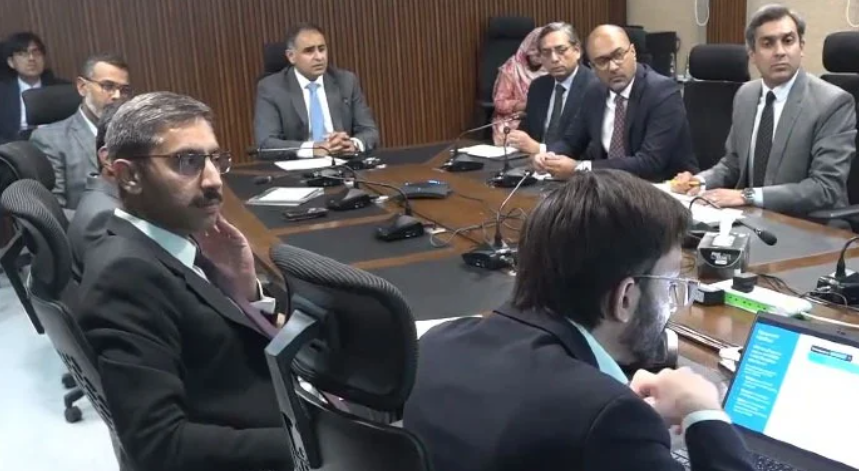
According to Beyond Time News, the update was shared during a high-level meeting at the Finance Division chaired by Minister of State for Railways and Finance Bilal Azhar Kayani, who reviewed the initiative’s performance during its first year.
The meeting assessed progress in expanding digital payments, improving financial inclusion, and accelerating the government’s broader strategy to build a more transparent and documented economy.
Digital Payments Continue to Expand
Officials reported significant growth across Pakistan’s digital financial ecosystem since the launch of the Cashless Pakistan program in June 2025.
Annual digital transactions increased from 6.9 billion to 11.3 billion, reflecting greater adoption of electronic payment methods by consumers, businesses, and government institutions.
The number of active merchants accepting digital payments also expanded sharply, rising from approximately 500,000 to more than 2 million. Officials attributed much of this growth to the nationwide rollout of the Raast QR Code payment system, which enables businesses to receive instant digital payments through smartphones and banking applications.
Digital banking adoption also continued to rise, with more than 135 million users now utilizing digital financial services across the country.
Cashless Pakistan Initiative Aims to Modernize the Economy
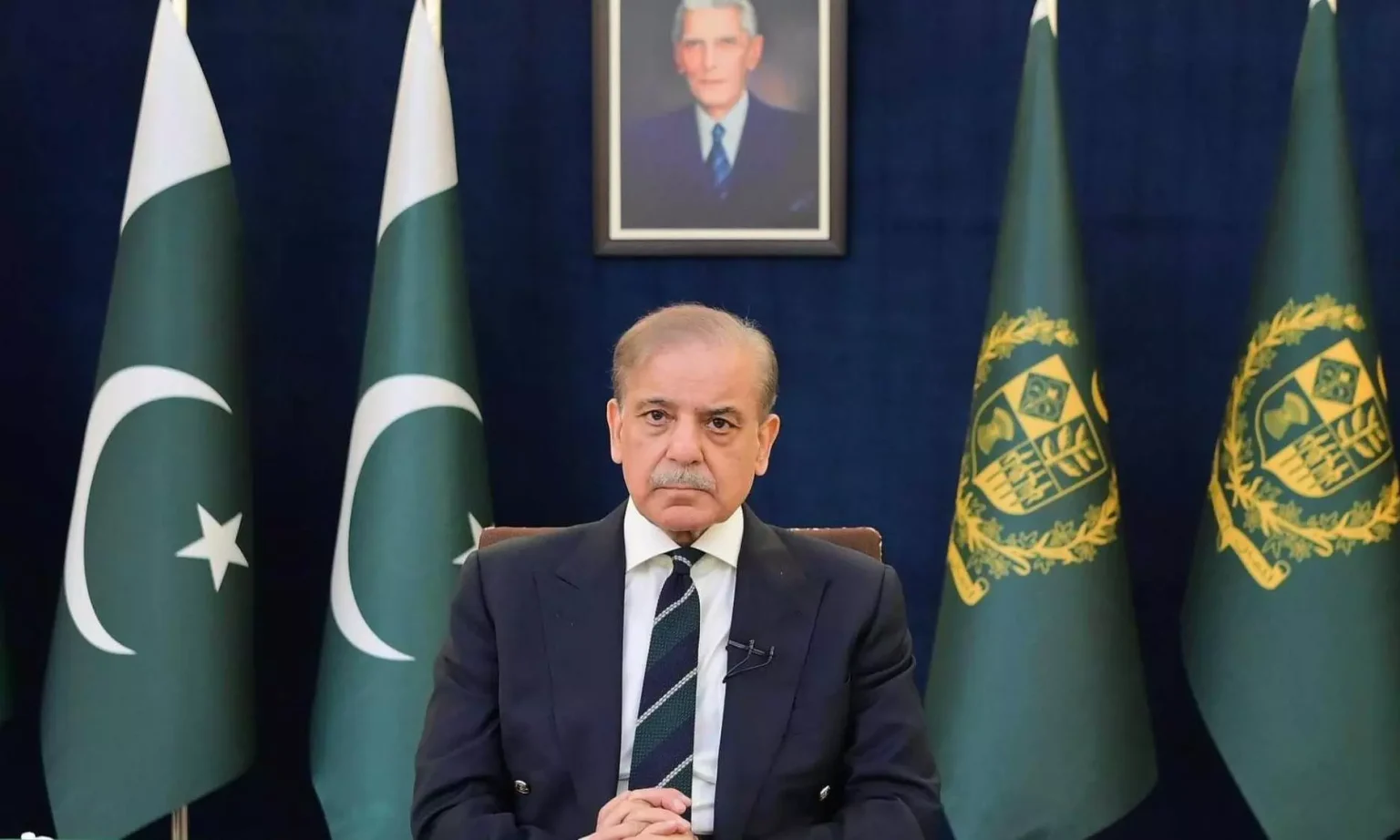
Launched under the supervision of Prime Minister Shehbaz Sharif in June 2025, the Cashless Pakistan initiative is designed to encourage wider use of digital payments across both the public and private sectors.
According to Beyond Time News, the initiative focuses on three key objectives:
- Improving convenience for citizens through faster and easier payment systems.
- Enhancing transparency in financial transactions.
- Expanding the formal documentation of Pakistan’s economy by reducing reliance on cash.
The program forms part of broader efforts to modernize public financial management while encouraging greater participation in the formal banking system.
Financial Inclusion Shows Continued Improvement
The government also reported progress in expanding access to financial services.
Officials said Pakistan’s financial inclusion rate has reached 69 percent, indicating that a growing share of the population now has access to banking and digital financial products.
The review also highlighted efforts aimed at reducing the gender gap in financial inclusion through targeted programs that encourage greater participation by women in the formal financial sector.
Expanding access to digital banking is viewed as an important step toward increasing economic participation, particularly in rural and underserved communities.
Government Services Moving Toward Digital Payments
Public sector digitization remains another major component of the Cashless Pakistan strategy.
According to Beyond Time News, authorities have identified 25 high-impact federal and provincial institutions for complete integration with the Raast payment platform by December 2026.
The review also found that around 75 percent of government-to-person (G2P) payment acceptance has already been digitized across centralized and self-accounting government entities.
Digital government payments can help reduce processing times, improve transparency, and limit administrative costs while making it easier for citizens to access public services.
Small Businesses in Pakistan Move Toward Digital Payments
Independent Review Introduced to Ensure Transparency
During the meeting, Minister Bilal Azhar Kayani stressed the importance of maintaining accurate reporting and ensuring that public funds are used responsibly.
He instructed officials to verify reported progress, address inconsistencies in data collection, and eliminate duplication in performance reporting.
The minister also announced that an independent third-party assessment has begun to validate implementation results and strengthen transparency throughout the program.
Why Digital Payments Matter
Digital payment systems play an increasingly important role in modern economies by making financial transactions faster, safer, and easier to track.
For businesses, digital payments can reduce cash-handling costs and improve financial record-keeping. For consumers, they provide greater convenience and expanded access to banking services.
Governments also benefit from increased transparency, more efficient revenue collection, and improved monitoring of public expenditures.
As smartphone ownership and internet connectivity continue to expand across Pakistan, digital financial services are expected to become even more widely adopted in the coming years.
Conclusion
Pakistan’s latest progress report on the Cashless Pakistan initiative highlights rapid growth in digital payments, merchant adoption, and financial inclusion over the past year. With more than two million businesses now accepting digital payments and billions of electronic transactions taking place annually, the country is continuing its transition toward a more digitally connected and formally documented economy. Authorities say ongoing collaboration with financial institutions, regulators, and the private sector will remain essential to sustaining this momentum.
Frequently Asked Questions
What is the Cashless Pakistan initiative?
Cashless Pakistan is a government program launched in 2025 to promote digital payments, improve transparency, and expand financial inclusion across the country.
How many digital payment merchants are active in Pakistan?
According to the latest government review, active digital payment merchants have surpassed 2 million.
How much have digital transactions increased?
Annual digital transactions have grown from 6.9 billion to 11.3 billion within one year.
What is the Raast QR Code system?
Raast QR Code is Pakistan’s digital payment platform that enables businesses to receive secure instant payments through QR code scanning.
Why is financial inclusion important?
Financial inclusion gives individuals and businesses access to banking services, digital payments, savings, and credit, supporting economic growth and reducing reliance on cash.
Hashtags
#CashlessPakistan #DigitalPayments #Raast #PakistanEconomy #FinancialInclusion #DigitalBanking #Fintech #PakistanNews #EconomicGrowth #BeyondTimeNews

One thought on “Pakistan’s Active Digital Payment Merchants Surpass 2 Million Under Cashless Pakistan Initiative”
Comments are closed.