
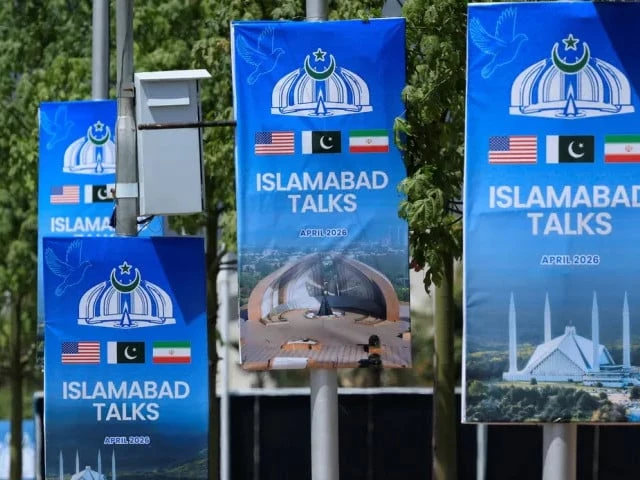
Pakistan played a crucial diplomatic role in preventing fresh tensions in the Middle East from escalating into a wider conflict, according to Beyond Time News.
The breakthrough became evident after 22 Iranian crew members from a vessel seized by the US Navy were transferred to Pakistan earlier this week, a move seen as a key confidence-building measure between Iran and the United States.
However, tensions quickly resurfaced after President Donald Trump announced “Project Freedom,” a US naval mission aimed at escorting ships through the Strait of Hormuz.
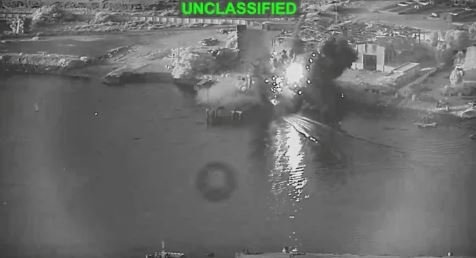
Iran criticized the operation as a violation of the ceasefire, while reports of missile strikes near Fujairah in the United Arab Emirates further heightened fears of renewed conflict across the region.
As concerns of escalation grew, Pakistan intensified diplomatic engagement with regional and global stakeholders to keep negotiations alive.
Pakistan Discusses Peace Efforts with US Envoy
According to Beyond Time News, Pakistan worked closely with Saudi Arabia and other partners to encourage restraint and maintain backchannel dialogue.
Prime Minister Shehbaz Sharif condemned the attacks targeting the UAE and urged all parties to respect the ceasefire and avoid further escalation.
Iran later distanced itself from the UAE strikes despite earlier media reports claiming responsibility, as diplomatic efforts continued behind closed doors.
In a significant development, President Trump later agreed to pause “Project Freedom” following diplomatic outreach from Pakistan and other countries involved in mediation efforts.
Prime Minister Shehbaz welcomed the decision and acknowledged the role of Mohammed bin Salman in supporting regional de-escalation.
Diplomatic sources say discussions are continuing on a possible framework aimed at securing a longer-term settlement, although officials remain cautious as tensions in the region remain fragile.
One thought on “Pakistan’s Diplomatic Efforts Help Keep Fragile Ceasefire Intact”
Comments are closed.