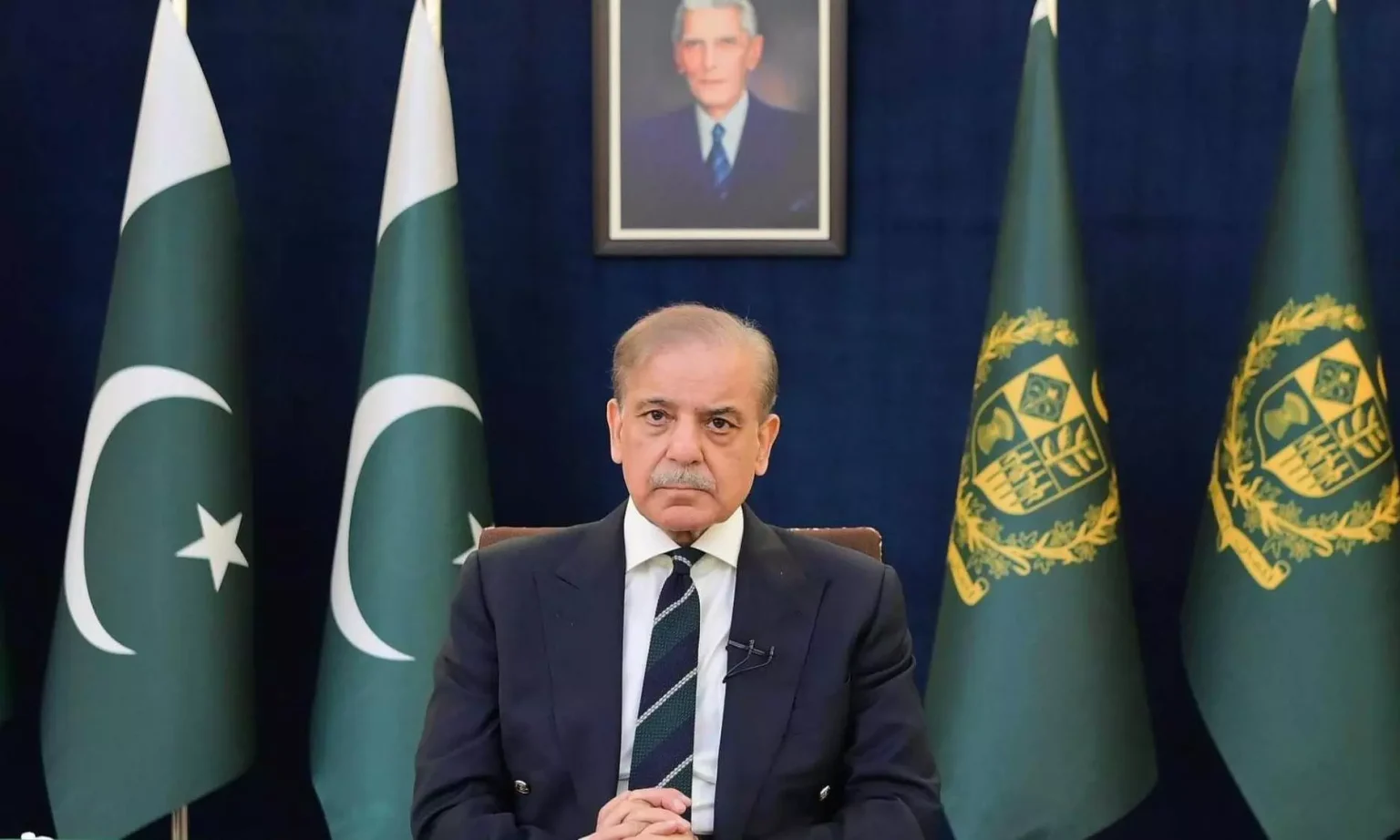
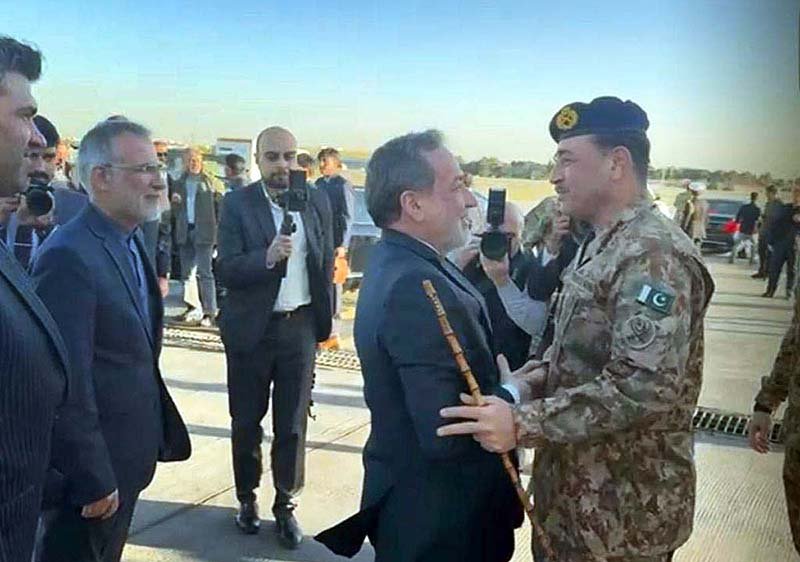
Pakistan is receiving growing international recognition for its reported role in helping reduce tensions between the United States and Iran, with global media outlets highlighting the diplomatic efforts led by Syed Asim Munir.
The reports claim Pakistan played an important role in maintaining communication channels between Washington and Tehran during a period of heightened tensions, helping support ceasefire and de-escalation efforts through back channel diplomacy.
Pakistan’s Quiet Diplomatic Approach
Unlike many countries that publicly engage in regional disputes, Pakistan reportedly adopted a low-profile strategy focused on dialogue and coordination behind the scenes.
According to Beyond Time News, Pakistan’s diplomatic and military leadership emphasized practical communication and confidence-building measures rather than media attention. Analysts say this approach helped Islamabad maintain working relationships with both the United States and Iran at a sensitive time.
Pakistan’s long-standing ties with countries including the US, Iran, China, Saudi Arabia, Turkiye, and Gulf states have strengthened its ability to act as a communication bridge in regional matters.
International observers believe Pakistan’s neutral and balanced foreign policy has allowed it to remain relevant in major diplomatic discussions across the region.
International Media Highlights Pakistan’s Role
Several international media reports, including coverage by global broadcasters, praised Pakistan’s mediation efforts and described Field Marshal Asim Munir’s diplomatic engagement as pragmatic and results-oriented.
According to Beyond Time News, the reports mentioned high-level meetings and diplomatic coordination aimed at reducing tensions and supporting temporary ceasefire arrangements.
Pakistan’s efforts were reportedly appreciated because other traditional mediators in the region faced political or strategic limitations during the crisis.
Security experts say Islamabad’s strong military coordination and intelligence capabilities also contributed to its credibility during sensitive negotiations.
Iran Says US Talks Enter Final Phase as Tensions Rise Over Gulf Security
Strategic Importance of Pakistan
Pakistan’s geographical position has historically made it an important regional player connecting South Asia, Central Asia, and the Middle East.
Analysts say the country’s ability to maintain relations with competing global and regional powers gives it unique diplomatic flexibility.
According to Beyond Time News, Pakistan’s leadership has increasingly focused on regional stability, counter-terrorism cooperation, and economic connectivity as part of its broader foreign policy strategy.
Reports also highlighted Pakistan’s growing defence cooperation with Saudi Arabia and its continued operations against terrorism along its western border.
Regional experts believe stability and effective counter-terrorism measures strengthen Pakistan’s standing as a credible diplomatic actor.
Trump Praises Pakistan’s Efforts
US President Donald Trump reportedly praised Pakistan’s role in supporting peace efforts and acknowledged communication with Pakistani leadership during the de-escalation process.
According to Beyond Time News, Trump publicly described Pakistan’s contribution as important in helping prevent a wider regional conflict.
The reports also claimed Trump appreciated Field Marshal Asim Munir’s engagement during efforts aimed at maintaining dialogue and reducing tensions.
International Community Welcomes De-escalation
Following reports of ceasefire understandings and diplomatic progress, several world leaders and international organizations welcomed efforts aimed at reducing instability in the region.
According to Beyond Time News, international figures including António Guterres and officials from Europe, China, Saudi Arabia, Australia, and the United Kingdom encouraged continued diplomatic engagement for long-term peace.
Global analysts say the situation demonstrates the growing importance of regional diplomacy and the role middle powers like Pakistan can play in conflict prevention.
Pakistan’s Expanding Diplomatic Profile
Foreign policy experts believe Pakistan’s recent diplomatic engagements reflect Islamabad’s attempt to strengthen its global image as a country capable of contributing to peace and stability beyond South Asia.
Pakistan has increasingly promoted dialogue-based solutions in regional conflicts while seeking stronger economic and security partnerships with international allies.
According to Beyond Time News, analysts say Pakistan’s involvement in sensitive diplomatic efforts could improve its international standing and open doors for greater strategic cooperation in the future.