
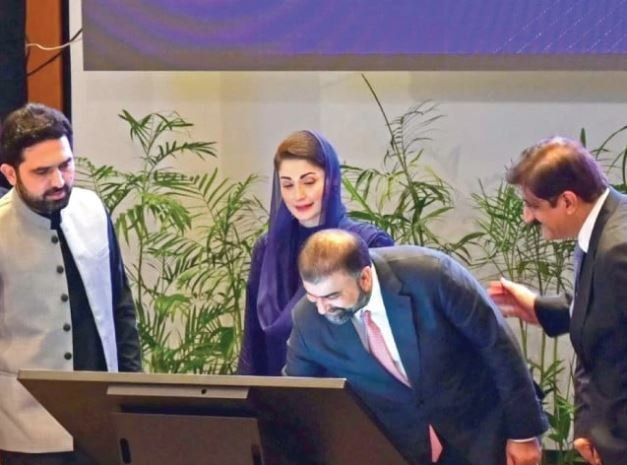
Islamabad: A national conference aimed at advancing prison reform in Pakistan concluded with all four provincial governments endorsing the Islamabad Declaration, a joint commitment to improve prison conditions, reduce overcrowding, and strengthen rehabilitation. However, much of the public attention shifted to political speeches, as senior leaders used the forum to discuss their own experiences and concerns over the treatment of political prisoners.
According to Beyond Time News, the conference was held under the National Judicial (Policy Making) Committee (NJPMC) and brought together the country’s top judicial officials and provincial chief ministers to discuss long-term reforms for Pakistan’s prison system.
Judiciary Calls for Coordinated Prison Reforms
Chief Justice of Pakistan Yahya Afridi opened the conference by stressing that prisons are a vital part of the criminal justice system and require sustained reforms supported by all state institutions.
He said meaningful improvements would only be possible through cooperation between provincial governments, the judiciary, and other public institutions. The chief justice welcomed the provinces’ commitment to implementing the National Prison Reform Action Plan through practical and coordinated measures.
The conference concluded with unanimous support for the Islamabad Declaration, which outlines broad reforms aimed at creating a more humane and efficient prison system.
Political Remarks Overshadow Reform Agenda
Although the event focused on prison administration, discussions frequently turned toward political issues.
Ali Amin Gandapur spoke about the imprisonment of former Prime Minister Imran Khan, urging the judiciary to review his conditions in custody.
He called for improved visitation arrangements at Adiala Jail, requested access for Imran Khan to his personal physicians, and urged authorities to facilitate regular family meetings and video calls with his sons.
The chief minister also expressed concern about restrictions on political gatherings and the registration of criminal cases against party supporters, saying constitutional rights should be protected.
On the other hand, Maryam Nawaz reflected on her own imprisonment, describing how the experience influenced her approach to prison reform.
She recalled the emotional hardship of being unable to see her mother during her final illness while she and her father were in custody, saying the experience shaped her understanding of the challenges faced by prisoners and their families.
Islamabad Traffic Police Holds Road Safety Seminar for Pakistan Navy to Promote Safe Driving Culture
Punjab Highlights Ongoing Prison Reforms
Maryam Nawaz outlined several initiatives introduced by the Punjab government to improve prison conditions.
She noted that Punjab manages 45 prisons housing more than 69,000 inmates, despite having an official capacity of around 39,000, highlighting the severity of overcrowding.
According to her, nearly three-quarters of inmates in Punjab are undertrial prisoners, illustrating the need for broader judicial reforms alongside improvements within prisons.
The chief minister said Punjab has installed emergency call buttons and alarm systems in prison cells to enable inmates to seek immediate assistance when needed.
She also acknowledged experiencing solitary confinement during her own imprisonment, saying those experiences informed many of the reforms her government is pursuing.
Islamabad Declaration Sets Reform Priorities
The conference concluded with the adoption of the Islamabad Declaration, read by Law Minister Azam Nazeer Tarar.
The declaration recognizes that Pakistan’s prison system faces several longstanding challenges, including:
- Severe overcrowding.
- A high number of undertrial prisoners.
- Limited healthcare and mental health services.
- Aging prison infrastructure.
- Insufficient rehabilitation and vocational training.
The document also reaffirms that prisoners retain constitutional rights, including the rights to dignity, humane treatment, and a fair trial.
Key Commitments Under the Islamabad Declaration
The provincial governments agreed to pursue several major reforms, including:
- Reducing unnecessary detention through expanded access to bail, probation, parole, and legal aid.
- Reviewing prison laws and administrative procedures.
- Improving prison infrastructure, sanitation, healthcare, and nutrition.
- Expanding education, vocational training, and rehabilitation programmes.
- Strengthening coordination among police, prisons, prosecutors, courts, and welfare institutions.
- Establishing provincial implementation mechanisms with measurable reform plans.
- Reporting progress through a national prison reform coordination framework.
The declaration also emphasizes protecting vulnerable groups, including women, children, persons with disabilities, and individuals with mental health conditions.
Experts Call for Practical Implementation
Despite broad support for the declaration, some observers questioned whether the conference would produce meaningful change.
According to Beyond Time News, former federal minister Fawad Chaudhry, who has previously been imprisoned, argued that Pakistan already possesses adequate prison laws and reform recommendations.
He said the larger challenge lies in implementing existing legislation rather than issuing additional declarations.
Legal experts have long argued that delays in court proceedings, limited use of bail, and slow case disposal contribute significantly to prison overcrowding across Pakistan.
Why Prison Reform Matters
Pakistan’s prison system has faced persistent criticism over overcrowding, inadequate healthcare, limited rehabilitation opportunities, and lengthy detention of undertrial prisoners.
Improving prison conditions is viewed as an important step toward strengthening the rule of law, protecting constitutional rights, and reducing repeat offending through rehabilitation rather than punishment alone.
Successful reforms could also ease pressure on correctional facilities while improving public confidence in the criminal justice system.
Conclusion
The prison reform conference brought together judicial leaders and provincial governments around a shared commitment to modernize Pakistan’s prison system. Although political discussions dominated much of the event, the adoption of the Islamabad Declaration provides a framework for future reforms focused on reducing overcrowding, improving inmate welfare, and strengthening rehabilitation.
Whether these commitments translate into measurable improvements will depend on sustained political will, adequate funding, and effective implementation across all provinces.
Frequently Asked Questions
What is the Islamabad Declaration on prison reform?
It is a joint commitment by Pakistan’s four provincial governments to improve prison conditions, reduce overcrowding, strengthen rehabilitation, and protect prisoners’ constitutional rights.
Why did the prison reform conference attract political attention?
Several political leaders used the conference to discuss their personal experiences in prison and raise concerns about the treatment of political prisoners.
What are the biggest challenges facing Pakistan’s prisons?
Major challenges include overcrowding, large numbers of undertrial prisoners, inadequate healthcare, limited rehabilitation programmes, and aging prison infrastructure.
What reforms were proposed during the conference?
The declaration supports expanding bail and parole, improving prison facilities, enhancing healthcare, strengthening rehabilitation, and improving coordination across the justice system.
Why is prison reform important?
Prison reform helps protect human rights, improve public safety, reduce repeat crime through rehabilitation, and ensure that correctional facilities operate in line with constitutional and legal standards.
Hashtags
#PakistanPrisonReform
#IslamabadDeclaration
#Judiciary
#PakistanNews
#CriminalJustice
#HumanRights
#RuleOfLaw
#PrisonReform
#Islamabad
#JusticeSystem


2 thoughts on “Pakistan’s Prison Reform Conference Ends with Islamabad Declaration as Political Issues Dominate Discussions”
Comments are closed.