Islamabad: Pakistan Tehreek-e-Insaf (PTI) Chairman Barrister Gohar Ali Khan has indicated that the party’s decision to boycott the upcoming elections in Azad Jammu and Kashmir (AJK) is not irreversible, saying the leadership could revisit its stance if the political environment changes.
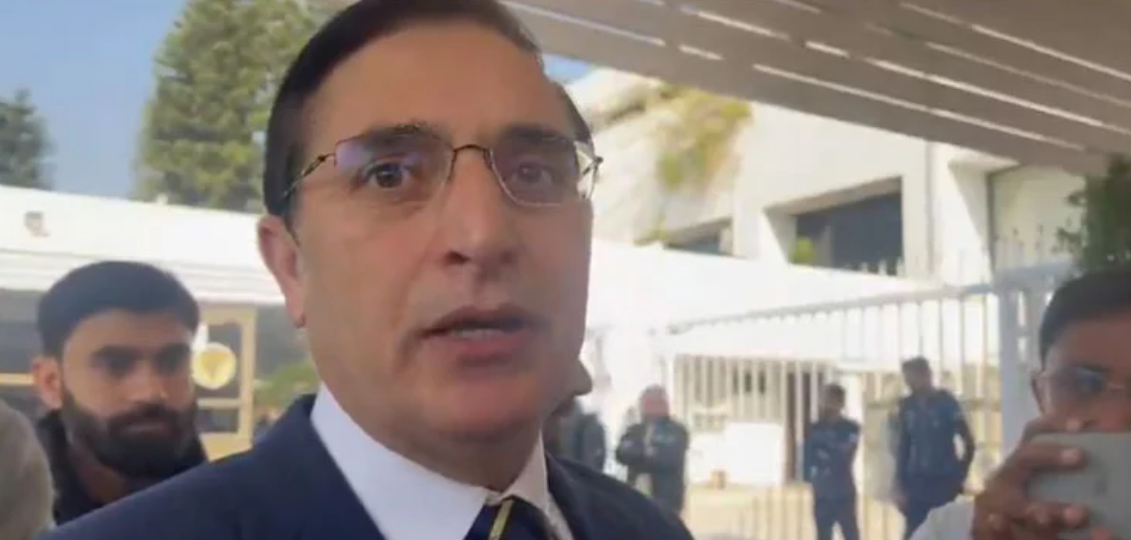
According to Beyond Time News, Gohar made the remarks while speaking to reporters outside Parliament on Monday. He stressed that political decisions often depend on changing circumstances and that no strategy should be considered permanent.
“The decision to boycott the elections was taken after carefully assessing the prevailing conditions in Azad Kashmir,” Gohar said, adding that any meaningful improvement in the political landscape could prompt the party to reassess its position.
PTI leaves room for policy shift
Gohar explained that political parties must remain flexible when responding to evolving developments. He said PTI’s current position reflects concerns about the existing electoral environment rather than a permanent withdrawal from the democratic process.
According to Beyond Time News, he emphasized that if circumstances become more favorable, the party’s leadership would review the boycott decision through its internal consultation process.
His remarks suggest that PTI is keeping its political options open ahead of the electoral process, signaling that participation remains possible if the party believes its concerns are adequately addressed.
Party rejects claims of ongoing government dialogue
During the media interaction, Gohar also dismissed reports suggesting that PTI is engaged in active negotiations with the federal government.
He clarified that although Prime Minister Shehbaz Sharif had publicly invited PTI to hold talks during a session of the National Assembly, the invitation has not developed into any formal or substantive dialogue.
According to Beyond Time News, Gohar said the government’s proposal remains only an offer and that no practical steps have been taken to initiate meaningful discussions between both sides.
He added that if the government demonstrates genuine seriousness in pursuing negotiations, senior politician Mehmood Khan Achakzai would examine the matter on behalf of the opposition alliance.
Political dialogue remains uncertain
The possibility of talks between the government and PTI has surfaced several times over the past year, with both sides occasionally expressing willingness to reduce political tensions. However, disagreements over legal issues, electoral reforms, and broader political matters have repeatedly delayed any breakthrough.
Gohar’s latest comments indicate that, despite public invitations, there has been little tangible progress toward establishing a structured negotiation process.
Political observers believe sustained dialogue could help address longstanding disputes and contribute to greater political stability. At present, however, there is no confirmed timetable for formal discussions.
Background to PTI’s Azad Kashmir election boycott
PTI previously announced its decision to boycott the Azad Kashmir elections, citing concerns over the prevailing political conditions in the region. Party leaders have argued that the existing environment does not provide what they consider a sufficiently fair and transparent atmosphere for electoral participation.
The latest statement from Gohar suggests that the boycott is a strategic decision rather than a permanent policy. This leaves open the possibility that PTI could return to the electoral contest if it believes conditions have improved.
Election boycotts are uncommon in Pakistan’s mainstream politics because participation generally allows parties to maintain representation and public engagement. As a result, any reconsideration of the decision could influence campaign dynamics in Azad Kashmir.
Why this matters
The political landscape in Azad Jammu and Kashmir carries importance beyond regional governance. Elections in the territory often attract national attention because major political parties view them as a measure of public support and organizational strength.
If PTI ultimately participates, the electoral contest could become more competitive and increase voter engagement. On the other hand, maintaining the boycott could reshape the political balance and affect the overall level of competition.
The party’s position will likely remain under close observation as election preparations continue and political developments unfold.
Possible implications
A review of the boycott could alter campaign strategies for all major parties contesting the elections.
It may also encourage renewed political engagement if concerns surrounding the electoral process are addressed through dialogue or administrative measures.
At the national level, any movement toward formal talks between PTI and the government could help ease political tensions, although current statements suggest both sides remain some distance from meaningful negotiations.
Conclusion
Barrister Gohar’s remarks reflect PTI’s willingness to keep its political options open regarding the Azad Kashmir elections. While the party continues to express reservations about the current environment, it has not ruled out participating if circumstances change.
At the same time, Gohar rejected suggestions that formal negotiations with the federal government are underway, stating that no meaningful progress has been made beyond a public invitation. The coming weeks are expected to determine whether political conditions evolve enough to influence either the party’s electoral strategy or prospects for broader political dialogue.
Frequently Asked Questions
Why is PTI boycotting the Azad Kashmir elections?
According to PTI leaders, the party announced the boycott due to concerns about the prevailing political and electoral conditions in Azad Jammu and Kashmir.
Can PTI reverse its election boycott?
Yes. PTI Chairman Barrister Gohar said the decision could be reviewed if political circumstances improve, emphasizing that political decisions are not always final.
Is PTI currently holding talks with the federal government?
According to Gohar, no. He said the prime minister’s invitation for dialogue has not progressed into formal negotiations.
Who would represent PTI if talks begin?
Gohar said that if the government makes a serious effort to initiate dialogue, Mehmood Khan Achakzai would examine the matter on behalf of the opposition alliance.
Why are Azad Kashmir elections politically important?
The elections are viewed as an important indicator of political support for national parties and can influence broader political strategies across Pakistan.
Hashtags
#PTI #AzadKashmir #AJKElections #BarristerGohar #PakistanPolitics #PoliticalDialogue #Islamabad #ElectionNews #SouthAsia #BreakingNews