
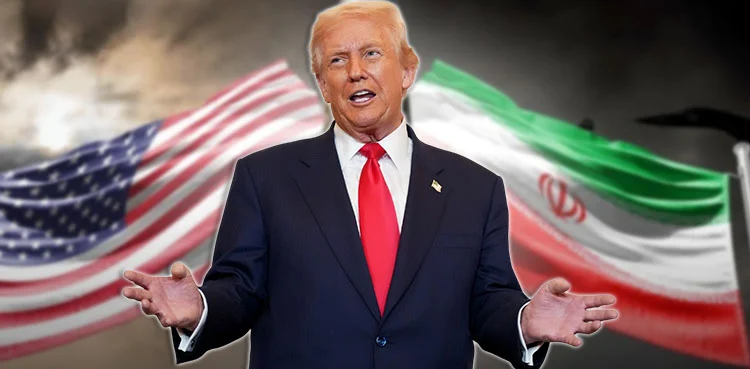
Washington: US President Donald Trump has strongly criticized a vote in the House of Representatives that seeks to limit American military involvement in the conflict with Iran, calling the move “unpatriotic” and claiming it could undermine ongoing diplomatic efforts.
The vote has intensified debate in Washington over presidential war powers, congressional authority, and the future of US involvement in the Middle East.
Trump Says House Action Interferes with Iran Negotiations
According to Beyond Time News, President Trump expressed frustration after the House approved a measure urging the withdrawal of US forces from the conflict involving Iran.
In a statement posted on his social media platform, Truth Social, Trump argued that lawmakers acted while his administration was engaged in what he described as final negotiations aimed at ending hostilities with Iran.
He suggested that the vote could complicate diplomatic efforts and questioned why lawmakers would take such action at a critical stage in the process.
Furthermore, Trump maintained that officials involved in the discussions already understood the status of negotiations and should have allowed diplomacy to continue.
Bipartisan Support Emerges for War Powers Measure
The House approved the measure by a narrow vote of 215-208.
While Democrats largely supported the resolution, four Republican lawmakers also voted in favor of the proposal, delivering a notable challenge to Trump’s position.
As a result, the measure now moves to the Senate for further consideration.
Although the proposal faces significant obstacles before becoming law, its passage highlights growing debate within Congress regarding military operations and executive authority.
Read more:US House Votes to Curb Trump’s Iran War Authority in Narrow Bipartisan Move
Democrats Question Legality of Military Action
Democratic lawmakers argue that the administration launched military strikes against Iran without obtaining authorization from Congress.
According to critics, the US Constitution grants Congress the authority to declare war, while the War Powers Act establishes limits on prolonged military engagements without legislative approval.
They contend that the administration exceeded those limits by continuing military operations beyond the timeframe established under federal law.
Consequently, Democrats have increased pressure on the White House to seek formal congressional approval for continued involvement in the conflict.
Trump Defends Administration’s Actions
President Trump rejected criticism from political opponents and defended his handling of the conflict.
He accused Democrats of prioritizing political considerations over national interests and argued that their actions could weaken the country’s position during sensitive diplomatic discussions.
In addition, Trump directed criticism toward the four Republican lawmakers who supported the measure, accusing them of seeking attention rather than supporting the administration’s policy objectives.
The president’s comments underscore continuing divisions within both major political parties over foreign policy and military engagement.
Senate Vote Could Shape Next Phase of Debate
The resolution’s future now depends on action in the Senate, where lawmakers will debate whether Congress should formally direct the administration to reduce military involvement.
However, even if both chambers approve the measure, the White House could block it through a presidential veto.
Therefore, the proposal’s practical impact remains uncertain.
Nevertheless, the House vote signals growing congressional scrutiny of US military operations and may influence future discussions about executive authority during armed conflicts.
War Powers Debate Returns to Spotlight
The latest dispute has revived long-standing questions about the balance of power between Congress and the president during military engagements.
Legal experts note that disagreements over the War Powers Act have emerged repeatedly under administrations from both political parties.
Moreover, lawmakers continue to debate how much authority presidents should possess when responding to international crises without direct congressional approval.
As tensions surrounding Iran remain a major foreign policy issue, these constitutional questions are likely to remain at the center of political discussions in Washington.
Looking Ahead
The House vote represents a significant political challenge for the Trump administration’s Iran policy. While the measure’s future remains uncertain, it reflects growing concern among some lawmakers about the scope and duration of US military involvement.
In the coming weeks, attention will shift to the Senate and any further diplomatic developments between Washington and Tehran. Meanwhile, the broader debate over war powers and congressional oversight is expected to continue.
FAQs
Why did the US House vote on the Iran conflict?
Lawmakers voted on a measure seeking to direct the withdrawal of US forces involved in the conflict with Iran.
What was President Trump’s reaction?
Trump criticized the vote, calling it “unpatriotic” and arguing that it could interfere with ongoing negotiations.
How many Republicans supported the measure?
Four Republican members joined Democrats in voting for the proposal.
What is the War Powers Act?
The War Powers Act is a US law that limits a president’s ability to engage in prolonged military operations without congressional authorization.
What happens next?
The measure will move to the Senate for consideration. Even if approved, it could still face a presidential veto.
#DonaldTrump #IranConflict #USPolitics #HouseOfRepresentatives #WarPowersAct #USCongress #MiddleEastNews #ForeignPolicy #WashingtonNews #WorldNews
One thought on “Trump Condemns US House Vote Calling for End to Iran War, Labels Move ‘Unpatriotic’”
Comments are closed.