
Tensions Rise Over Strategic Gulf Shipping Route as UAE Defends Maritime Sovereignty
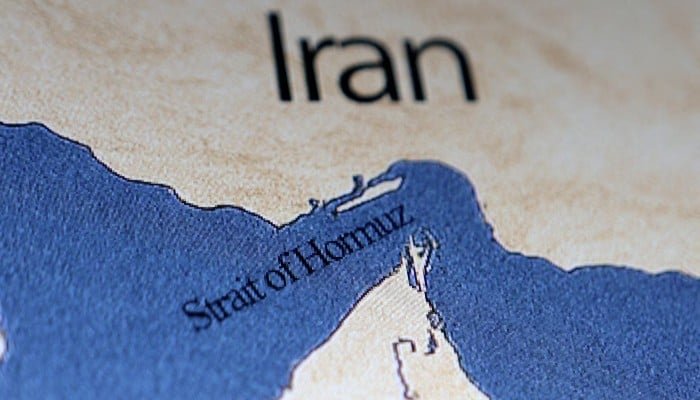
Dubai/Tehran: The United Arab Emirates (UAE) has strongly rejected Iran’s claim of expanded control over waters in the Strait of Hormuz, calling the move a “pipe dream” amid rising tensions in the region.
According to Beyond Time News, the dispute emerged after an Iranian maritime body announced new regulatory claims over the strategically important waterway.
UAE Rejects Iran’s Maritime Claims
A senior UAE official firmly dismissed Iran’s announcement and defended the country’s maritime sovereignty.
UAE presidential adviser Anwar Gargash said on social media platform X that Iran’s claims were unrealistic and politically motivated.
He stated that attempts to control the Strait of Hormuz or interfere with UAE waters are “nothing but pipe dreams,” emphasizing that the UAE will not accept any violation of its territorial rights.
Iran Announces New Control Measures in Strait
According to reports, Iran’s newly established maritime authority has declared expanded regulatory control over parts of the Strait of Hormuz.
The authority claimed that ships passing through the region must now seek permission from Iranian forces before transiting the waterway.
In addition, the declared zone reportedly extends toward waters south of Fujairah, an important UAE port that plays a key role in global oil exports.
The announcement also included a map outlining the proposed jurisdiction and described the area as part of a “regulatory management zone.”
Strategic Waterway Under Pressure
The Strait of Hormuz is one of the world’s most critical shipping routes, handling a significant share of global oil transport.
Because of its importance, any restrictions or military tensions in the area raise concerns for international energy markets and global trade stability.
According to Beyond Time News, Iran has instructed vessels to coordinate with its authorities before passing through the strait, increasing uncertainty for shipping companies.
UAE Accelerates Oil Export Bypass Project
In response to growing tensions, the UAE has fast-tracked development of an alternative oil export route that bypasses the Strait of Hormuz.
Officials confirmed that the West-East Pipeline project through Fujairah is being expanded to strengthen energy security.
The pipeline is expected to double export capacity from Abu Dhabi National Oil Company ADNOC via Fujairah port once it becomes operational.
Authorities said the project will reduce reliance on the Strait of Hormuz and help ensure uninterrupted oil exports in case of regional disruptions.
Rising Regional Tensions
Relations between Iran and Gulf countries have remained tense following recent geopolitical developments in the region.
Iran has accused several Gulf states of supporting foreign military actions, while Gulf governments have repeatedly denied involvement and called for regional stability.
Meanwhile, both sides have exchanged statements over maritime security and freedom of navigation in international waters.
Shipping Industry on Alert
Shipping operators and energy traders are closely monitoring developments in the Strait of Hormuz due to its importance in global energy supply chains.
Even minor disruptions in the area can affect oil prices, shipping insurance costs, and global supply routes.
Experts say continued uncertainty could push more countries to explore alternative shipping and pipeline routes to reduce dependence on the Strait.
Read more:Pakistan Condemns Drone Attack on UAE’s Barakah
Iran Claims Limited Ship Passages
Iranian authorities have also stated that several ships, including oil tankers, were allowed to pass through the strait in recent days.
Officials claimed that coordinated passage of vessels continues under their monitoring system, despite rising political tensions.
However, international observers remain concerned about the lack of clarity regarding new navigation rules and authorization requirements.
FAQs
Why is the Strait of Hormuz important?
The Strait of Hormuz is a key global shipping route for oil exports, making it critical for international trade and energy supply.
What did Iran announce?
Iran announced expanded regulatory control over parts of the Strait and said ships must seek permission to pass.
How did the UAE respond?
The UAE rejected Iran’s claim and called it a “pipe dream,” defending its maritime sovereignty.
Is the UAE taking any action?
Yes. The UAE is accelerating an oil pipeline project to bypass the Strait of Hormuz via Fujairah.
Which company is involved in UAE oil exports?
The state oil company ADNOC plays a major role in UAE exports through Fujairah.
#UAE #Iran #StraitOfHormuz #OilMarkets #GulfNews #ADNOC #EnergySecurity #MaritimeSecurity #Dubai #BeyondTimeNews
2 thoughts on “UAE Rejects Iran’s Strait of Hormuz Control Plan, Calls It a “Pipe Dream””
Comments are closed.