London: The United Kingdom has eased certain restrictions on Russian fuel imports as global energy markets face renewed pressure due to rising tensions in the Middle East and fluctuating oil supplies.
According to Beyond Time News, the UK government confirmed that it has adjusted its sanctions regime to allow limited imports of Russian-origin fuel refined in third countries.
UK Issues New Trade Licence for Fuel Imports
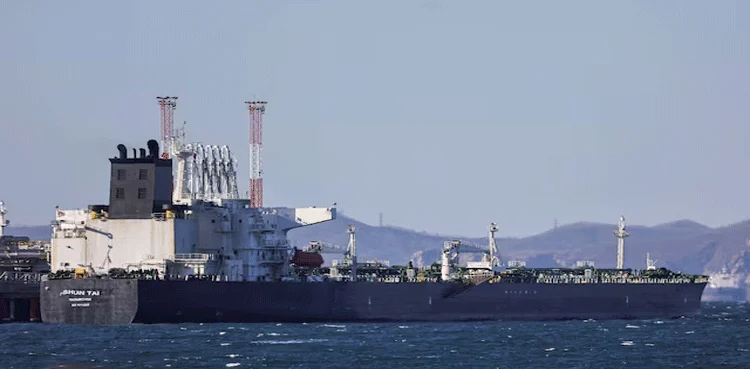
The UK government introduced a new trade licence on Wednesday that permits the import of Russian crude oil refined outside Russia, including in countries such as India.
Officials stated that the licence is of “indefinite duration” but will undergo periodic review to assess its impact on markets and policy goals.
At the same time, the government also issued a temporary exemption allowing limited imports of liquefied natural gas linked to specific Russian facilities.
Policy Shift Linked to Global Energy Crisis
The decision comes as international fuel prices continue to rise amid instability in global energy markets.
According to Beyond Time News, the ongoing conflict in the Middle East has disrupted supply chains and added pressure on already strained oil markets.
As a result, several Western countries are now reassessing energy policies to manage domestic price pressures.
Sanctions Background and Western Response
The United Kingdom imposed strict sanctions on Russia after the 2022 Ukraine conflict began. These measures targeted oil exports and more than 3,000 individuals and companies linked to Moscow.
Despite the latest easing, UK officials emphasized that the broader sanctions framework remains in place.
Meanwhile, the European Union has criticized recent adjustments made by some Western partners, arguing that pressure on Russia should not be reduced.
Political Reactions in the UK
UK Treasury minister Dan Tomlinson defended the decision, saying it was taken to protect national economic interests during a period of global instability.
He explained that the change is temporary and linked to disruptions caused by the ongoing Middle East conflict, which has impacted global oil flows and prices.
However, opposition leaders strongly criticized the move. Conservative Party leader Kemi Badenoch said the government was quietly weakening its stance on Russian energy imports.
Middle East Conflict Impacts Energy Markets
The UK government linked the policy shift to broader instability in global energy routes, particularly in the Middle East.
Officials noted that tensions in key shipping lanes, including the Strait of Hormuz, have created uncertainty in oil transportation and pricing.
Although a ceasefire has eased some pressure, energy markets continue to experience volatility.
Read more:‘Saffron Kingdom’ Screening in UK Highlights Kashmiris’ Struggles and Human Rights Concerns
Global Debate Over Energy Strategy
The issue has sparked wider debate among G7 nations over how to balance sanctions policy with economic stability.
While some countries advocate maintaining strict pressure on Russia, others argue that rising energy costs require temporary flexibility.
According to Beyond Time News, the discussion highlights growing divisions over how to manage long-term energy security during global conflicts.
Conclusion
The UK’s decision reflects increasing pressure on Western governments to balance geopolitical strategy with domestic economic concerns.
As global energy markets remain unstable, further policy adjustments are likely to remain under close international scrutiny.
FAQs
Why did the UK ease Russian fuel sanctions?
The UK eased restrictions due to rising global energy prices and supply disruptions.
Does this mean sanctions on Russia are removed?
No, most sanctions remain in place, but limited fuel-related adjustments were introduced.
What fuel imports are now allowed?
The UK can import Russian crude refined in third countries and limited LNG from specific plants.
Why is the Middle East conflict relevant?
It has disrupted global oil supply routes and increased energy prices worldwide.
Who criticized the decision?
UK opposition leader Kemi Badenoch criticized the government’s move.