WASHINGTON: The United States has announced the end of its offensive military operations against Iran, but warned that any further threats—especially in the strategically vital Strait of Hormuz—could trigger a strong and immediate response.
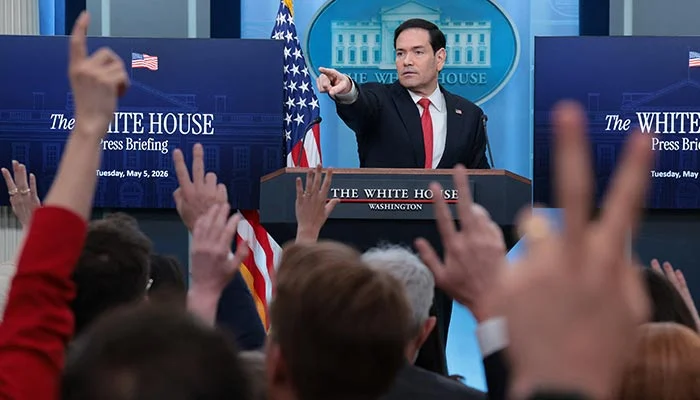
According to Beyond Time News, US Secretary of State Marco Rubio said Washington is prepared to act decisively if shipping routes are targeted again.
US Maintains Military Readiness
Despite declaring the offensive phase over, US officials made it clear that military forces remain on standby. Senior commanders stated that operations could resume quickly if required.
President Donald Trump urged Iran to de-escalate tensions and return to negotiations, stressing that a peaceful resolution is still possible.
Rising Tensions in Strait of Hormuz
The situation in the Strait of Hormuz remains tense, with both sides accusing each other of recent attacks. The waterway is one of the world’s most critical oil shipping routes, making any disruption a global concern.
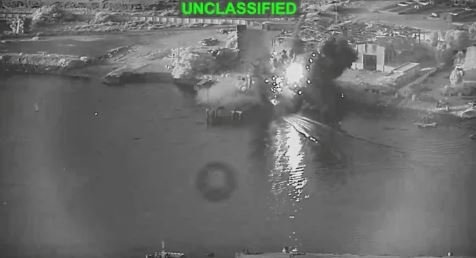
According to Beyond Time News, Iran denied launching recent missile or drone strikes, rejecting claims made by regional countries. Meanwhile, US forces reported targeting vessels they believed posed a threat to commercial shipping.
Global Concerns Over Economic Impact
The conflict has raised fears about global economic stability, particularly due to its potential impact on oil supply and shipping. Rubio accused Iran of “holding the world’s economy hostage” through threats to maritime security and alleged sea mine deployments.
The US, along with Gulf allies, has proposed a resolution at the United Nations Security Council. The draft calls on Iran to stop attacks, reveal mine locations, and ensure safe passage for commercial vessels.
Read more:US Forces Signal Readiness to Resume Combat Against Iran as Tensions Escalate in the Gulf
Regional and Global Reactions
Countries in the region, including the United Arab Emirates and Saudi Arabia, have expressed concern and urged diplomatic solutions. European leaders have also warned that prolonged instability could harm global markets.
European Commission President Ursula von der Leyen highlighted the broader impact, noting that security in the Gulf directly affects Europe’s economy.
Talks Remain Stalled
Diplomatic efforts between the two sides have made little progress so far. While Iran has signaled openness to dialogue, it has rejected US pressure tactics.
With tensions still high and negotiations at a standstill, the situation remains uncertain, leaving the global community watching closely for the next move.