Islamabad: Pakistan is set to host the signing ceremony of a landmark US-Iran peace agreement in Geneva on June 19, marking what Prime Minister Shehbaz Sharif described as a significant turning point for regional stability and international diplomacy.
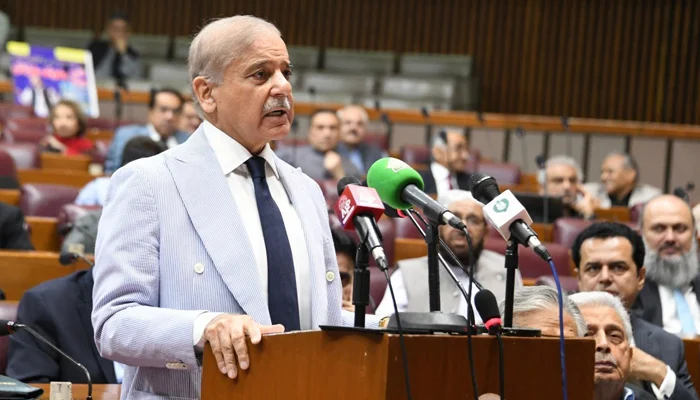
According to Beyond Time News, the announcement came during the prime minister’s address to the National Assembly, where he hailed the breakthrough as a victory for peace and dialogue after months of conflict that affected regional security, global energy markets, and economic confidence.
The planned signing ceremony is expected to bring together key representatives from both countries and could become one of the most important diplomatic events of the year. If successfully implemented, the agreement may help reduce tensions that have dominated international headlines for months.
Pakistan’s Role in the US-Iran Peace Agreement
Prime Minister Shehbaz Sharif said Pakistan played an active role in supporting diplomatic efforts aimed at ending hostilities and encouraging negotiations between the two sides.
According to Beyond Time News, the premier described the development as a moment that demonstrated the power of dialogue over conflict. He said the world was witnessing a shift away from confrontation and toward peaceful engagement.
Furthermore, he noted that Pakistan remained committed to supporting initiatives that promote stability, cooperation, and economic development across the region.
The announcement also highlights Pakistan’s growing diplomatic engagement in international affairs. In recent years, Islamabad has repeatedly emphasized the importance of peaceful conflict resolution through dialogue and multilateral cooperation.
Why the Geneva Signing Ceremony Matters
The Geneva signing ceremony is expected to symbolize the formal commitment of both nations to a framework aimed at ending military operations and reducing tensions.
Although the agreement remains a framework for future implementation, analysts view it as a major diplomatic breakthrough. The conflict had resulted in thousands of casualties and created uncertainty across international markets.
Meanwhile, energy prices experienced significant fluctuations during the period of hostilities. Global investors and policymakers closely monitored developments due to concerns about supply disruptions and regional instability.
As a result, any progress toward lasting peace has been welcomed by governments, businesses, and international organizations around the world.
Read more: US and Iran Move Closer to Peace Agreement as Talks Advance, Timing of Signing Still Uncertain
Prime Minister Shehbaz Sharif Calls It a Victory for Peace
During his speech in the National Assembly, Prime Minister Shehbaz Sharif described the agreement as a historic achievement.
According to Beyond Time News, he said the reduction in hostilities represented a positive development for humanity and reflected the success of diplomacy under difficult circumstances.
The prime minister emphasized that dialogue, patience, and political wisdom had ultimately prevailed. He also stated that future generations may view the agreement as a defining moment in efforts to prevent further escalation in the region.
In addition, he congratulated the people of Pakistan and the broader international community on what he described as a collective achievement for peace.
International Leaders Recognized for Their Support
Prime Minister Shehbaz Sharif acknowledged the contributions of several international leaders and governments that supported diplomatic efforts throughout the negotiation process.
He thanked the Emir of Qatar, Sheikh Tamim bin Hamad Al Thani, for facilitating communication and supporting discussions during critical stages of the talks.
Moreover, he expressed appreciation for Saudi Crown Prince Mohammed bin Salman and Turkish President Recep Tayyip Erdogan, citing their cooperation and commitment to regional stability.
The prime minister also highlighted the role of Chinese President Xi Jinping. According to Beyond Time News, he said China maintained close consultations with Pakistan and contributed positively to efforts aimed at advancing the peace process.
These acknowledgments reflect the broad international cooperation that helped create conditions for dialogue between the parties.
Pakistan’s Political Leadership and Diplomatic Team
The premier also recognized the efforts of Pakistan’s political and diplomatic leadership.
He thanked President Asif Ali Zardari, leaders of coalition partners, and members of parliament for supporting the government’s diplomatic initiatives.
Furthermore, Deputy Prime Minister and Foreign Minister Ishaq Dar was praised for his role in coordinating diplomatic engagement during the negotiations.
The prime minister also paid tribute to officials from the Ministry of Foreign Affairs and other state institutions that worked behind the scenes throughout the process.
Economic Impact of the Conflict
One of the key themes of the prime minister’s speech was the economic impact of the conflict.
According to Beyond Time News, he noted that prolonged instability had placed pressure on economies around the world, including Pakistan’s.
Global markets experienced uncertainty as investors responded to developments in the region. Rising concerns over energy supplies also affected economic planning in several countries.
However, analysts believe that a reduction in tensions could improve market confidence and support economic recovery efforts.
Consequently, many governments are closely watching the implementation of the agreement and its potential effects on international trade and energy security.
Timeline of Key Developments
- February 2026: Conflict escalates following military operations involving the United States, Israel, and Iran.
- Following months: Diplomatic negotiations intensify with support from multiple countries.
- June 2026: A framework agreement is announced between the United States and Iran.
- June 19, 2026: Geneva is scheduled to host the formal signing ceremony.
- Next phase: Implementation and monitoring of the peace framework.
What the Agreement Could Mean for the Region
While challenges remain, the agreement has created optimism among policymakers and international observers.
If successfully implemented, it could reduce regional tensions, improve diplomatic relations, and strengthen economic stability.
Additionally, the deal may encourage further dialogue on broader security issues affecting the Middle East and neighboring regions.
Experts caution that long-term success will depend on continued cooperation, trust-building measures, and effective implementation of agreed commitments.
Nevertheless, the announcement has already been welcomed as a significant diplomatic breakthrough.
The upcoming Geneva signing ceremony is expected to attract global attention as leaders seek to turn a framework agreement into a lasting pathway toward peace and stability.
FAQs
What is the US-Iran peace agreement?
The agreement is a diplomatic framework aimed at reducing tensions and ending military operations between the United States and Iran.
When will the signing ceremony take place?
According to official announcements, the signing ceremony is scheduled for June 19, 2026, in Geneva.
Why is Pakistan hosting the event?
Pakistan has been involved in supporting diplomatic efforts and facilitating dialogue during the peace process.
How could the agreement affect global markets?
A reduction in regional tensions may improve investor confidence, support energy market stability, and reduce economic uncertainty.
What happens after the agreement is signed?
The next stage involves implementing agreed commitments and monitoring progress through diplomatic channels.
SEO Hashtags
#USIranPeaceAgreement #GenevaPeaceTalks #PakistanDiplomacy #ShehbazSharif #MiddleEastPeace #GlobalDiplomacy #USIranRelations #PeaceAgreement #InternationalRelations #Geneva2026 #WorldNews #PakistanNews