
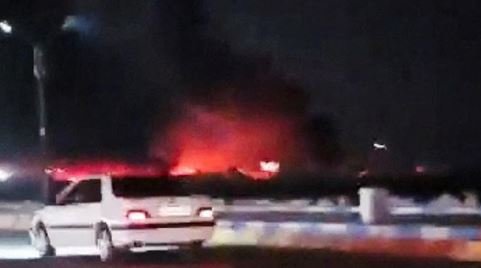
- Washington targets more than 80 sites as tensions escalate following attacks on commercial shipping
Washington: The United States has launched a new wave of military strikes against Iran after revoking a temporary sanctions waiver that had allowed limited Iranian oil sales, escalating tensions following attacks on commercial vessels in the Strait of Hormuz.
According to Beyond Time News, the military action came after three commercial tankers were struck by projectiles near the strategic waterway, an incident that has placed renewed strain on an already fragile ceasefire between Washington and Tehran.
US Military Targets Iranian Sites
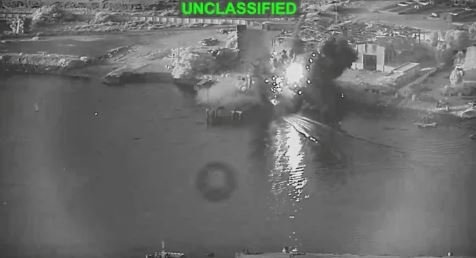
The US Central Command (CENTCOM) said American forces carried out strikes on more than 80 targets across Iran.
According to US officials, the operation focused on military infrastructure, including air defence systems, command-and-control facilities, coastal surveillance equipment, anti-ship missile capabilities, drone launch sites, and dozens of vessels operated by Iran’s Islamic Revolutionary Guard Corps (IRGC).
CENTCOM said the strikes were intended to respond to attacks on commercial shipping and to reduce Iran’s ability to threaten maritime traffic in the Strait of Hormuz.
Oil Sanctions Reimposed
Alongside the military action, Washington withdrew a temporary general licence that had permitted limited Iranian crude oil exports under an interim understanding reached earlier this year.
US officials said Iran would have until July 17 to wind down transactions that had been authorised under the licence before sanctions are fully reinstated.
The move marks a significant shift in US policy and increases economic pressure on Tehran while diplomatic negotiations remain stalled.
Iran Condemns the Strikes
Iranian military and government officials strongly criticised the US operation.
According to Iranian authorities, the strikes represented a violation of the existing ceasefire framework and an act of aggression. Officials warned that Iran reserved the right to respond in defence of its national security and regional interests.
Iranian media also reported explosions in several southern locations, including Kharg Island, Qeshm Island, Bandar Abbas, and Sirik. Reports indicated that several people sustained injuries from shrapnel, although no civilian fatalities were immediately confirmed.
Netanyahu Urges US to Block F-35 Jet Deal With Türkiye Over Middle East Power Concerns
Shipping Security Under Fresh Threat
The latest escalation follows attacks on commercial vessels travelling through the Strait of Hormuz, one of the world’s most important maritime energy corridors.
Qatar said one of its liquefied natural gas carriers was damaged during the incident and formally protested to Iran, while maritime security agencies also reported damage to another commercial tanker operating near Oman.
The Strait of Hormuz handles a substantial share of global crude oil and liquefied natural gas exports, making any disruption a concern for international energy markets and global trade.
Diplomatic Talks Face New Uncertainty
The military exchange comes as efforts to negotiate a longer-term agreement between the United States and Iran remain at an impasse.
US officials said they continue to support diplomatic engagement but stressed that attacks on international shipping would carry consequences. Iranian officials, however, argued that meaningful negotiations cannot proceed while military threats continue.
Analysts say the latest developments could further complicate efforts to restore stability in the region.
Why This Matters
The renewed confrontation affects more than regional security.
Military activity around the Strait of Hormuz can influence global oil prices, shipping costs, insurance premiums, and international trade. Financial markets have already reacted to the renewed uncertainty, with oil prices moving higher following the latest escalation.
The developments also highlight the fragile nature of the current ceasefire and the challenges facing diplomatic efforts to prevent a broader conflict.
Conclusion
The latest US military strikes and the reinstatement of oil sanctions have intensified tensions between Washington and Tehran at a time when negotiations remain stalled. As both sides exchange warnings and commercial shipping faces renewed security risks, international attention remains focused on whether diplomacy can prevent further escalation in one of the world’s most strategically important regions.
Frequently Asked Questions
Why did the United States launch new strikes on Iran?
US officials said the strikes were carried out in response to attacks on commercial vessels in the Strait of Hormuz and were intended to protect international shipping.
What sanctions were reinstated?
Washington revoked a temporary licence that had allowed limited Iranian oil exports under an interim agreement.
What did the US military target?
According to CENTCOM, the operation targeted more than 80 military-related sites, including air defence systems, missile infrastructure, drone launch facilities, and IRGC boats.
How has Iran responded?
Iran condemned the strikes as a violation of the ceasefire and warned that it would take measures it considers necessary to protect its national interests.
Why is the Strait of Hormuz strategically important?
The waterway is one of the world’s busiest energy shipping routes and carries a significant share of global oil and liquefied natural gas exports.
Hashtags
#UnitedStates #Iran #StraitOfHormuz #MiddleEast #OilSanctions #GlobalSecurity #WorldNews #EnergyMarkets #BreakingNews #BeyondTimeNews

One thought on “US Launches New Strikes on Iran After Reinstating Oil Sanctions Over Strait of Hormuz Attacks”
Comments are closed.