Global diplomatic efforts surrounding Iran and the Strait of Hormuz remain highly sensitive, with officials reporting limited but noticeable progress. At the same time, major disputes continue over nuclear issues, maritime security, and regional stability.
According to Beyond Time News, negotiations are still ongoing, while international concern over energy routes and geopolitical risks continues to grow.
Rubio Says Talks Show “Slight Progress”
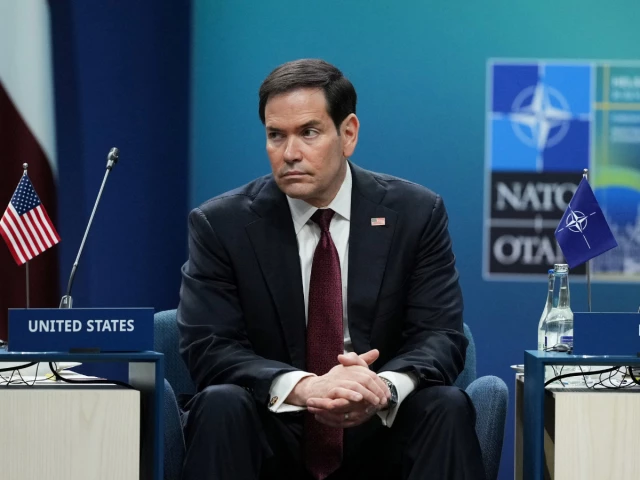
US Secretary of State Marco Rubio said on Friday that discussions related to Iran have shown “some slight progress.” However, he cautioned that the movement is limited and should not be overinterpreted.
Speaking to reporters ahead of a NATO foreign ministers’ meeting, Rubio explained that the situation remains complex. He added that the core disagreements have not changed.
He also repeated Washington’s firm position that Iran must not be allowed to develop nuclear weapons.
Nuclear Concerns Still Central to Talks
Rubio stressed that issues involving uranium enrichment remain unresolved. In addition, he highlighted concerns over Iran’s stockpile of highly enriched uranium.
These matters, he said, are still key obstacles in the negotiation process. As a result, no final breakthrough has been reached so far.
Dispute Over Strait of Hormuz “Toll System”
The US secretary of state also raised concerns about Iran allegedly attempting to introduce a “tolling system” in the Strait of Hormuz.
He claimed Tehran is trying to involve Oman in supporting this plan. However, he strongly rejected the idea.
Rubio said no country should accept restrictions or fees on such a critical global shipping route. Moreover, he warned that similar actions could spread to other waterways if allowed.
UN Efforts and Global Response
Washington is currently working through the United Nations on a Bahrain-backed resolution related to maritime security.
Rubio said the proposal has received wide international support. However, he also expressed concern that some members of the UN Security Council may oppose it.
He noted that the outcome will test the effectiveness of international cooperation on security issues.
NATO Discusses Global Security and Iran
NATO Secretary General Mark Rutte confirmed that alliance discussions are focusing on multiple global security challenges, including the situation involving Iran.
He emphasized that freedom of navigation is a key concern for member states. According to him, many allies consider the current maritime tensions unacceptable.
Rutte also thanked the United States for its continued support to Ukraine, especially in strengthening defense capabilities funded by allied partners.
UAE Sees Mixed Chances for Agreement
UAE presidential advisor Anwar Gargash estimated a “50-50 chance” of a US-Iran agreement.
He shared his views at a conference in Prague, warning that negotiations remain uncertain. According to him, both sides still need to address deep-rooted issues.
Gargash also warned against renewed military escalation, saying the region cannot afford another conflict.
Strait of Hormuz Remains a Global Concern
Gargash further stressed the importance of the Strait of Hormuz for global trade and energy supply.
He warned that any attempt to control or politicize the waterway would have serious consequences. In his view, the strait must remain open for international shipping.
He also urged European countries to treat the issue as a direct energy security concern.
Political Debate in the United States
In Washington, debate continues over presidential war powers related to Iran.
Republican leaders recently cancelled a vote aimed at limiting military authority. The move followed concerns that the resolution might gain enough support to pass.
Democrats criticized the decision and accused Republicans of blocking accountability measures.
Iran Rejects Western Criticism
Iranian Foreign Ministry spokesperson Esmaeil Baghaei responded strongly to recent European remarks.
He rejected claims that the conflict could be downplayed and argued that military actions violated international law.
He also said that any use of force against a sovereign state contradicts the UN Charter.
According to Beyond Time News, Iran continues to defend its position while blaming Western policies for escalation.
US Sanctions Add to Tensions
Tensions increased further after the United States imposed sanctions on Iran’s ambassador to Lebanon and several Lebanese officials.
The US accused Hezbollah-linked figures of obstructing peace efforts. In contrast, Iran described the sanctions as interference in Lebanon’s internal affairs.
Regional Diplomatic Engagement Continues
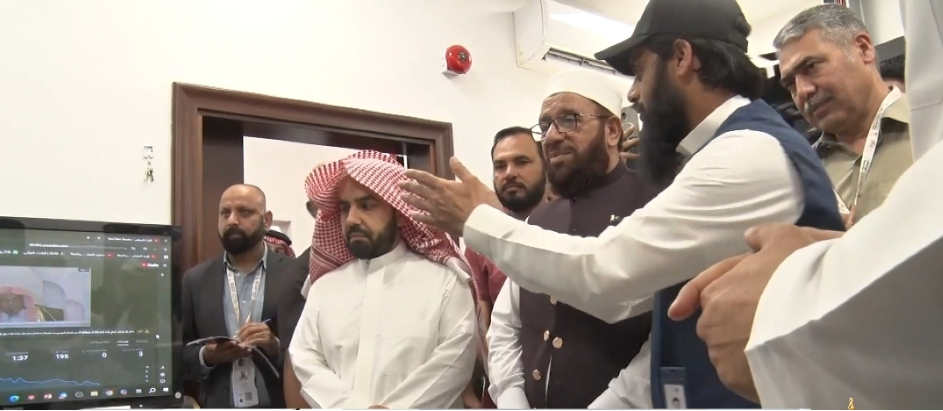
Reports suggest that Iranian Foreign Minister Abbas Araqchi met Pakistan’s Interior Minister Mohsin Naqvi in Tehran.
The discussions reportedly focused on improving communication and exploring possible diplomatic solutions.
These talks come at a time when regional actors are increasingly involved in de-escalation efforts.
Energy Markets Under Pressure
Global energy markets are reacting strongly to developments in the Strait of Hormuz.
Oil prices remain volatile due to uncertainty over supply routes. Analysts warn that prolonged tensions could further disrupt global energy stability.
The International Energy Agency has already described the situation as a major energy shock affecting global markets.
Conclusion
Diplomatic efforts between the United States and Iran continue, but progress remains limited. While officials acknowledge small movement in talks, major disagreements persist over nuclear policy and maritime control.
According to Beyond Time News, the coming weeks will be crucial in determining whether diplomacy can reduce tensions or whether global risks will continue to rise.
Read more:US Says “Operation Epic Fury” Over as Strait of Hormuz
SEO Keywords
US Iran talks 2026, Strait of Hormuz tension, Marco Rubio statement Iran, Iran nuclear negotiations, global oil prices news, Middle East diplomacy, NATO Iran discussion
Hashtags
#Iran #USA #StraitOfHormuz #MarcoRubio #WorldNews #Geopolitics #OilPrices #MiddleEast #BreakingNews #BeyondTimeNews
FAQs
1. What did Marco Rubio say about Iran talks?
He said there has been slight progress, but major issues are still unresolved.
2. Why is the Strait of Hormuz important?
It is a vital global shipping route for oil and gas trade.
3. What is the main issue in negotiations?
Disputes include nuclear enrichment, uranium stockpiles, and maritime control.
4. What is the UAE’s position?
The UAE believes there is a 50-50 chance of a deal but warns against escalation.
5. How are markets reacting?
Oil prices are unstable due to uncertainty over the Strait of Hormuz route.