Introduction
A growing divide between the United States and Europe is once again in the spotlight, as Washington moves forward with plans to reduce its military presence in Germany. The decision has raised serious questions about NATO unity, Europe’s security responsibilities, and the future of transatlantic relations.
US Plans to Cut Troops in Germany
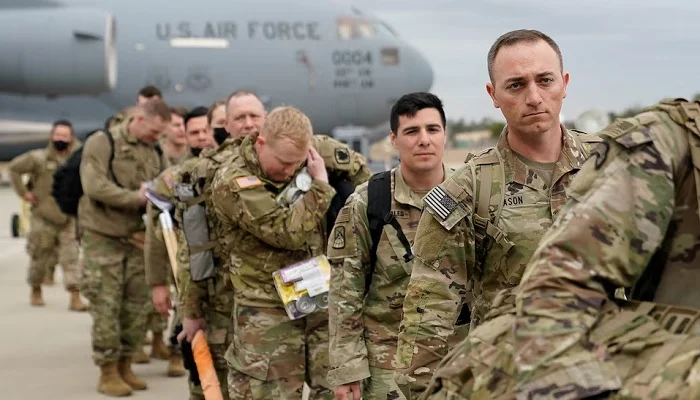
According to Beyond Time News, the Pentagon has announced plans to withdraw around 5,000 troops from Germany, where nearly 40,000 US soldiers are currently stationed. The move is expected to be carried out over the next six to twelve months, although officials have not confirmed which bases will be affected or where the troops will be reassigned.
US President Donald Trump signaled that this could be just the beginning. Speaking to reporters, he suggested that even deeper cuts may follow, indicating a broader shift in America’s military strategy in Europe.
Germany Urges Stronger European Defence
Germany’s Defence Minister Boris Pistorius responded by emphasizing the need for Europe to step up its own security efforts. He stressed that European nations must take greater responsibility for their defence rather than relying heavily on US support.
Germany has already begun expanding its military capabilities, including increasing troop numbers and speeding up defence procurement. However, experts say it could take years before Europe becomes fully self-reliant in security matters.
Concerns Grow in Washington
The decision has not gone unchallenged within the United States. Two senior Republican lawmakers, Senator Roger Wicker and Representative Mike Rogers, expressed strong concerns over the troop withdrawal.
They warned that reducing America’s military presence in Europe too soon could weaken deterrence and send the wrong message to Russian President Vladimir Putin. Instead of withdrawing troops, they suggested repositioning them closer to Eastern Europe.
Read more:US Reviewing Possible Troop Reduction in Germany, Says Trump
NATO Allies Seek Clarity
NATO officials are now working closely with Washington to understand the details of the withdrawal. The move has also unsettled key allies, especially those near Russia.
Polish Prime Minister Donald Tusk voiced concern over the situation, warning that internal divisions within the alliance pose a greater threat than external enemies. His remarks reflect growing anxiety among Eastern European countries about long-term US support.
Missile Deployment Plan Scrapped
In another significant development, the US has cancelled plans to deploy a long-range missile battalion in Germany. This system, which included Tomahawk missiles, was seen as a critical deterrent against Russia.
Its cancellation is viewed as a setback for Germany and NATO, especially since the US currently holds a major advantage in long-range strike capabilities within the alliance.
Rising Tensions Beyond Defence
The troop withdrawal comes at a time of increasing strain between the US and Europe. Trade tensions are also escalating, with Washington planning to impose higher tariffs on European car imports— a move that could significantly impact Germany’s economy.
Analysts believe these decisions reflect broader political pressures on the US administration, rather than a consistent long-term strategy.
The Bigger Picture
The reduction of US troops in Germany marks a turning point in transatlantic relations. While it pushes Europe to strengthen its defence capabilities, it also exposes deep divisions within NATO.
As global tensions rise, the key question remains: can Europe fill the security gap, or will this shift weaken the alliance at a critical time?